

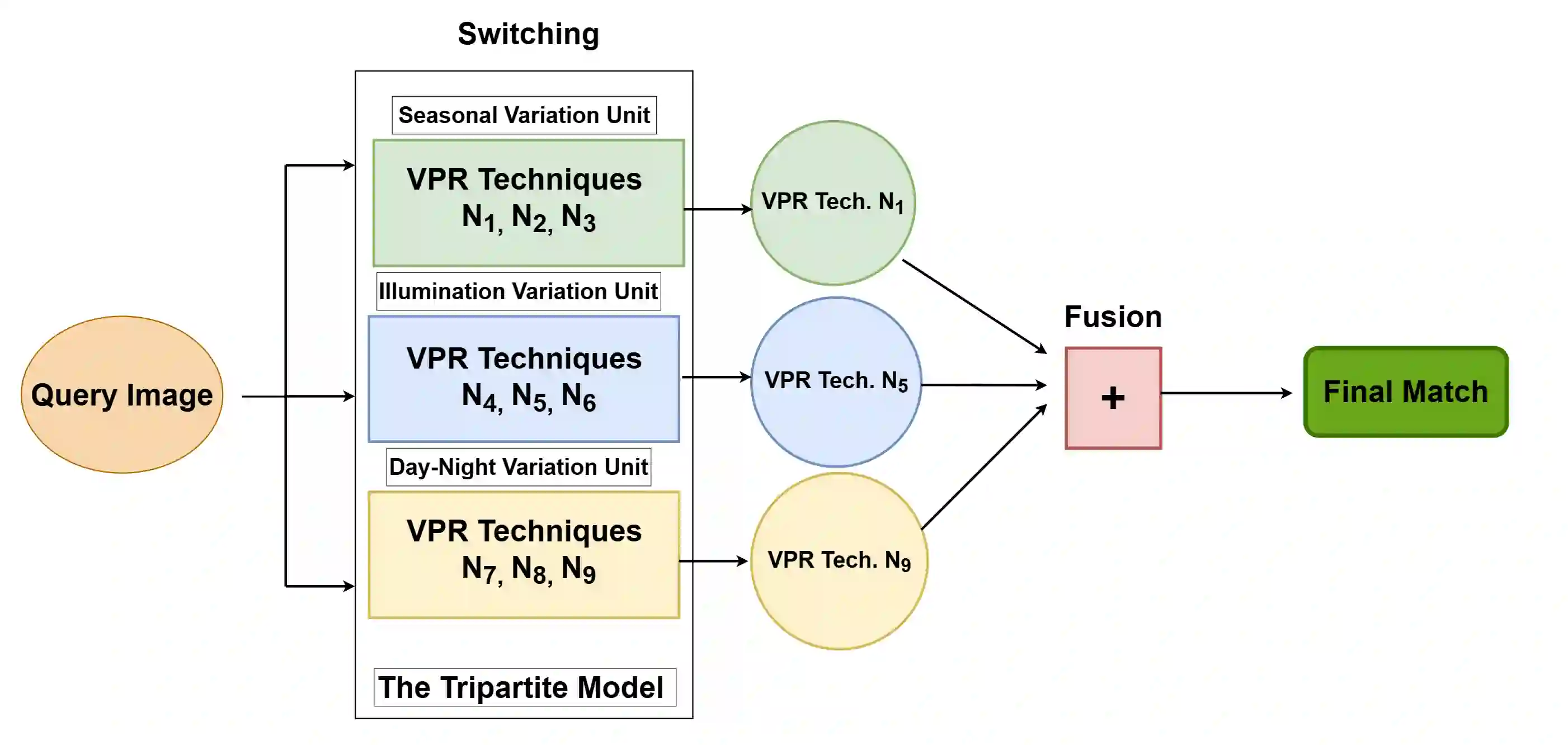
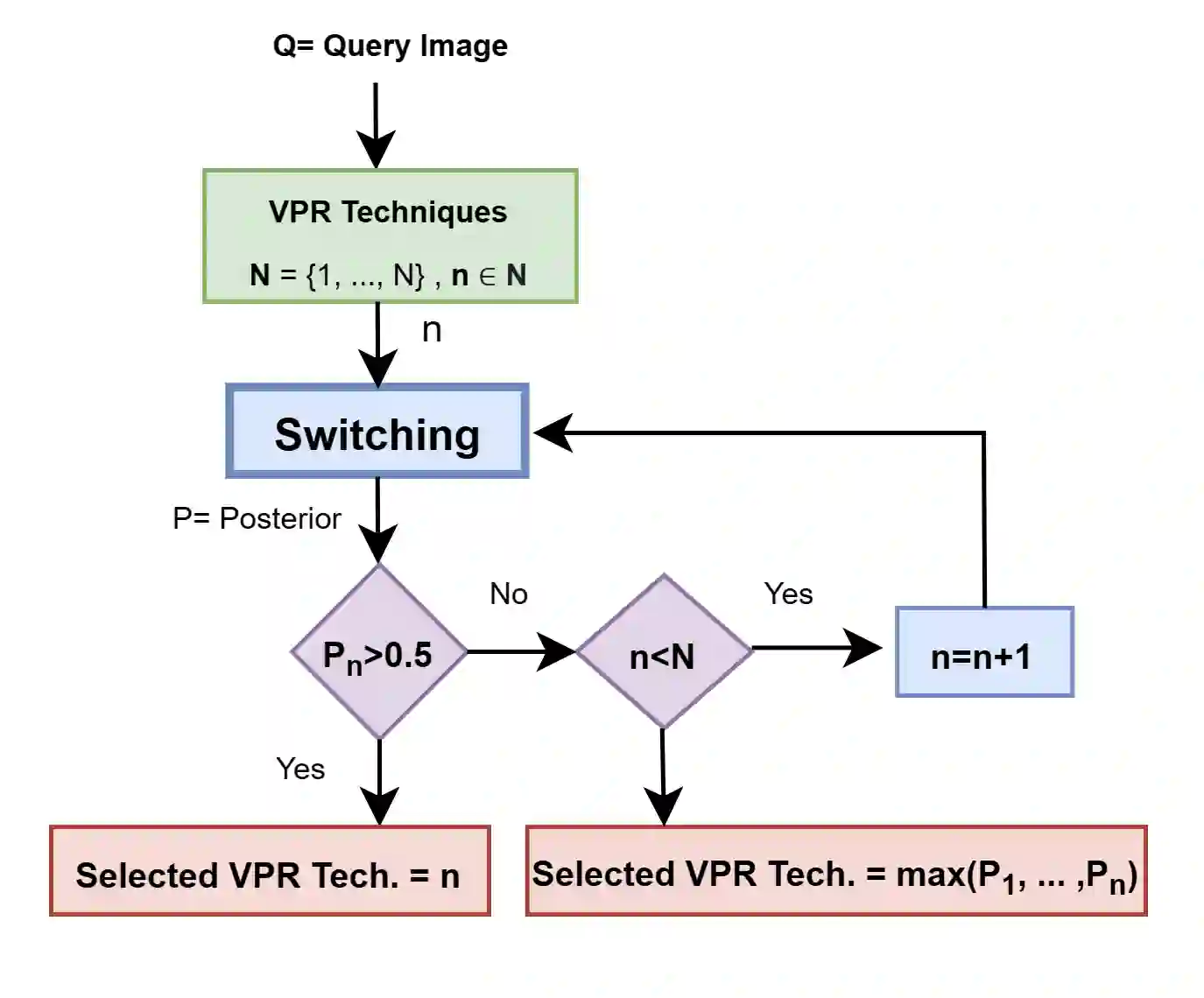
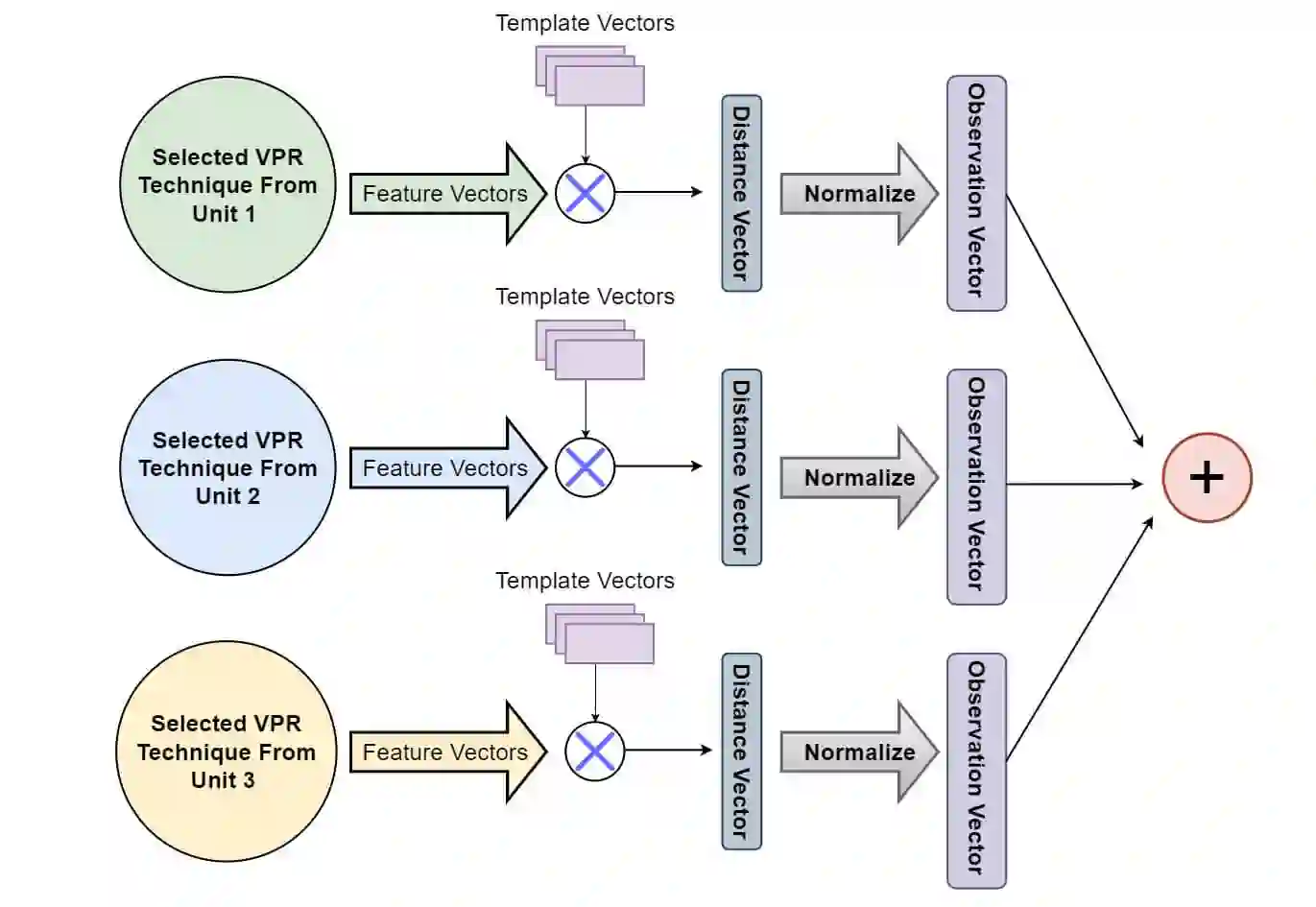
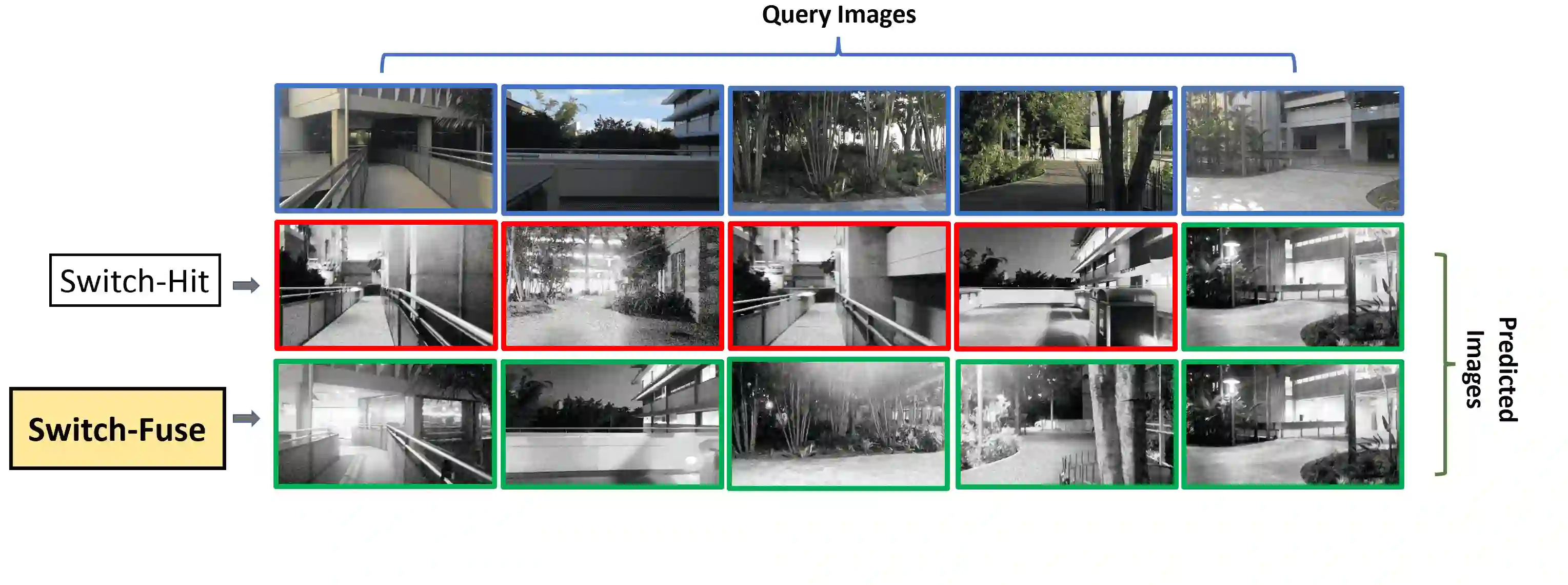
Recently several fusion and switching based approaches have been presented to solve the problem of Visual Place Recognition. In spite of these systems demonstrating significant boost in VPR performance they each have their own set of limitations. The multi-process fusion systems usually involve employing brute force and running all available VPR techniques simultaneously while the switching method attempts to negate this practise by only selecting the best suited VPR technique for given query image. But switching does fail at times when no available suitable technique can be identified. An innovative solution would be an amalgamation of the two otherwise discrete approaches to combine their competitive advantages while negating their shortcomings. The proposed, Switch-Fuse system, is an interesting way to combine both the robustness of switching VPR techniques based on complementarity and the force of fusing the carefully selected techniques to significantly improve performance. Our system holds a structure superior to the basic fusion methods as instead of simply fusing all or any random techniques, it is structured to first select the best possible VPR techniques for fusion, according to the query image. The system combines two significant processes, switching and fusing VPR techniques, which together as a hybrid model substantially improve performance on all major VPR data sets illustrated using PR curves.
翻译:近期已有多种基于融合和切换的方法被提出以解决视觉位置识别问题。尽管这些系统在视觉位置识别性能上展现出显著提升,但它们各自存在一系列局限性。多进程融合系统通常采用暴力方式同时运行所有可用的视觉位置识别技术,而切换方法则试图通过仅为给定查询图像选择最适配的视觉位置识别技术来规避这一做法。但当无法识别出可用且合适的技术时,切换方法有时会失效。一种创新解决方案是将这两种原本离散的方法加以融合,以结合它们的竞争优势并规避其缺点。所提出的开关-融合系统是一种巧妙的结合方式,一方面利用基于互补性的视觉位置识别技术切换的鲁棒性,另一方面融合经过精心筛选的技术以显著提升性能。我们的系统结构优于基础融合方法,因为它并非简单融合所有或任意随机技术,而是首先根据查询图像选取最佳视觉位置识别技术以进行融合。该系统整合了切换与融合视觉位置识别技术这两大关键过程,两者构成的混合模型在利用PR曲线展示的所有主要视觉位置识别数据集上均显著提升了性能。





相关内容




 微信扫码咨询专知VIP会员