

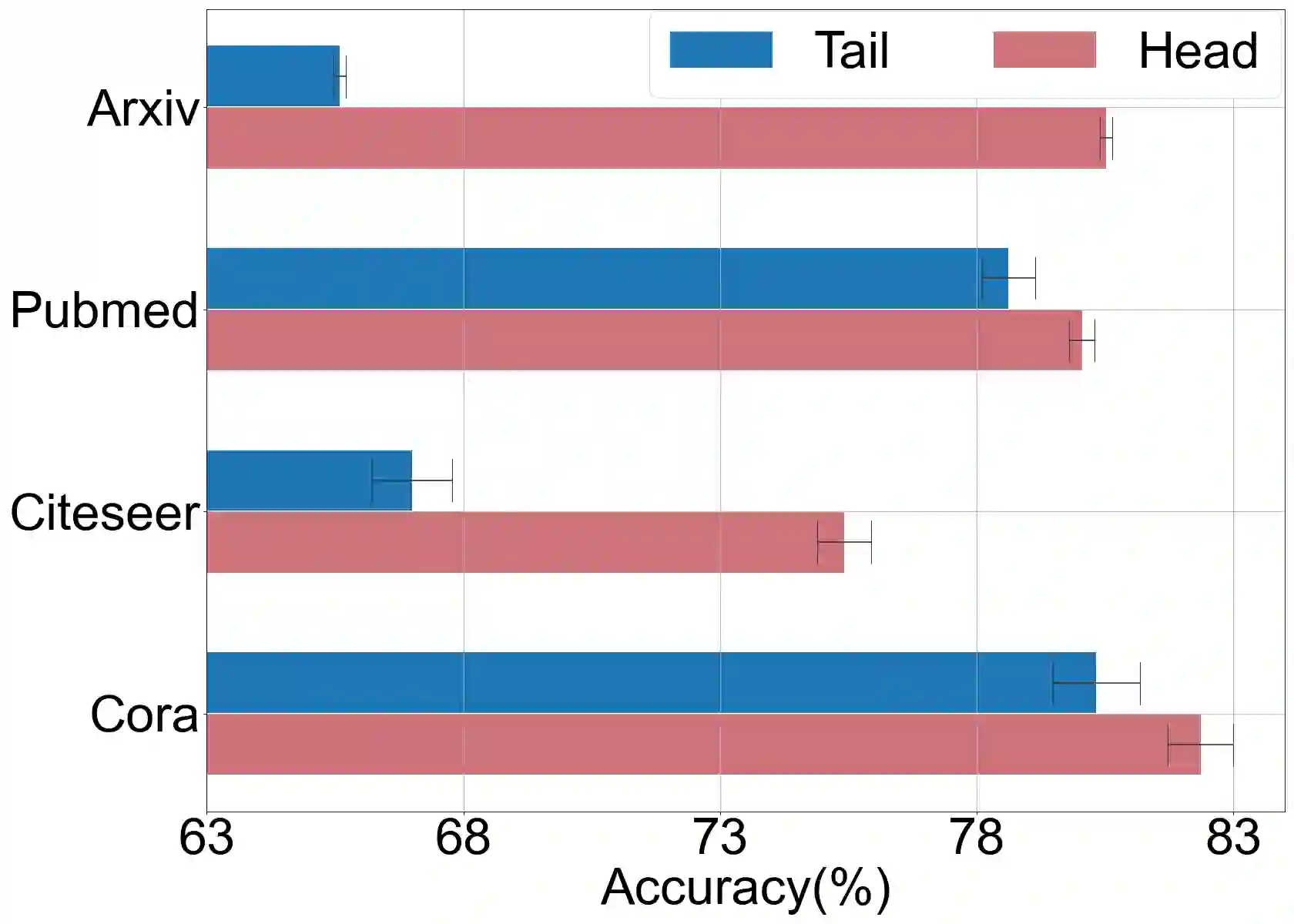
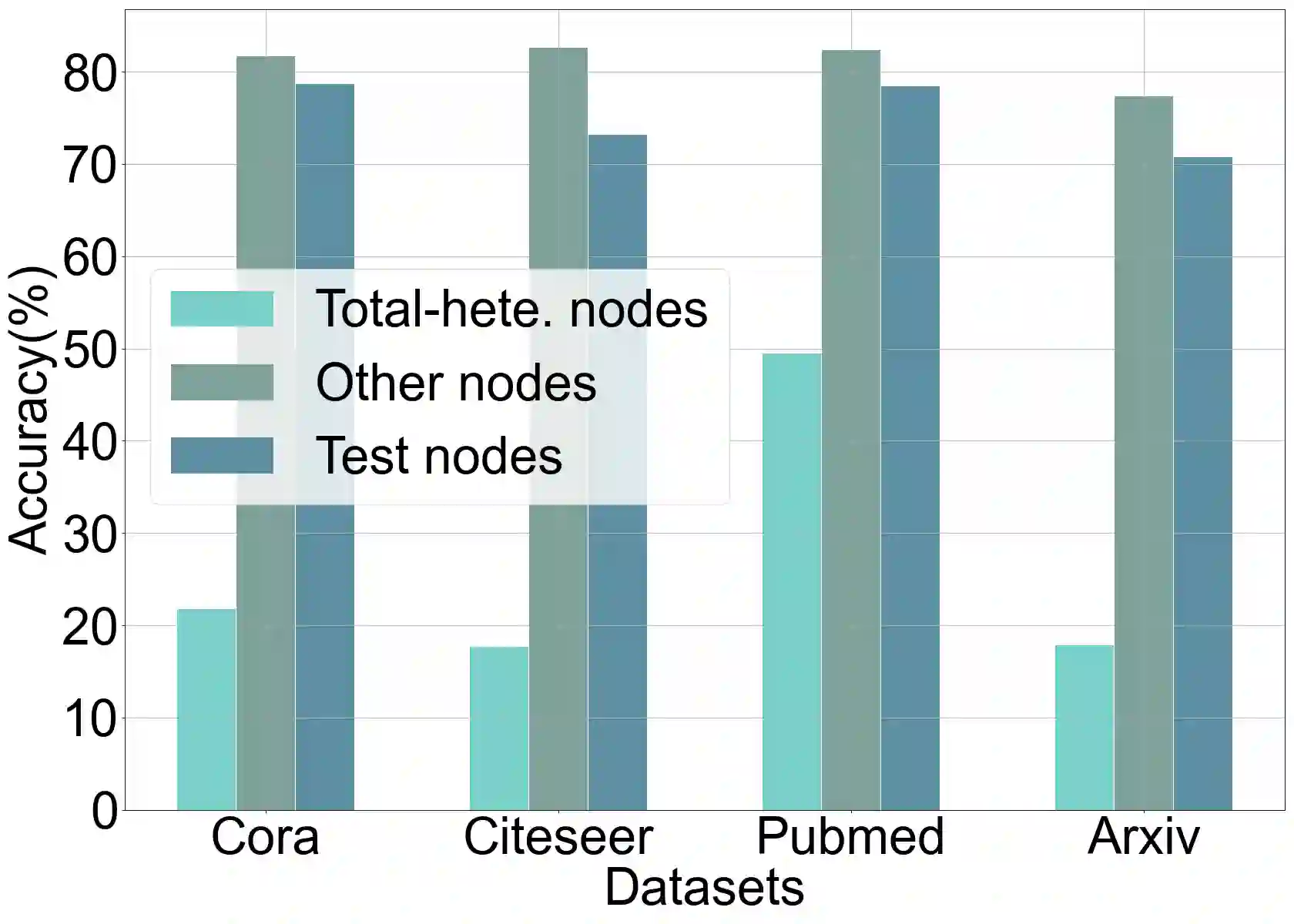
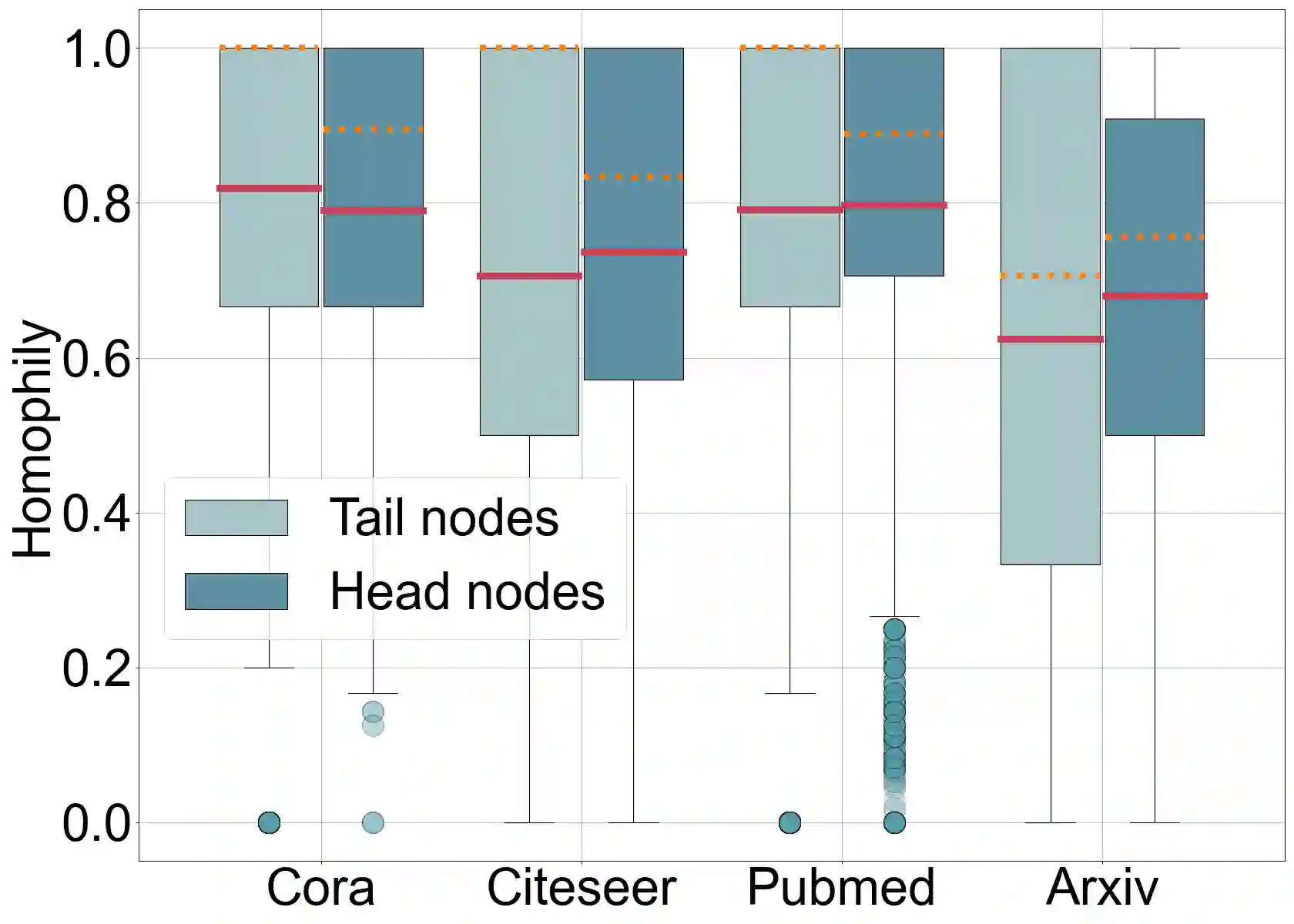
Graph Neural Networks (GNNs) have achieved state-of-the-art performance in representation learning for graphs recently. However, the effectiveness of GNNs, which capitalize on the key operation of message propagation, highly depends on the quality of the topology structure. Most of the graphs in real-world scenarios follow a long-tailed distribution on their node degrees, that is, a vast majority of the nodes in the graph are tail nodes with only a few connected edges. GNNs produce inferior node representations for tail nodes since they lack structural information. In the pursuit of promoting the expressiveness of GNNs for tail nodes, we explore how the deficiency of structural information deteriorates the performance of tail nodes and propose a general Structural Augmentation based taIL nOde Representation learning framework, dubbed as SAILOR, which can jointly learn to augment the graph structure and extract more informative representations for tail nodes. Extensive experiments on public benchmark datasets demonstrate that SAILOR can significantly improve the tail node representations and outperform the state-of-the-art baselines.
翻译:图神经网络(GNNs)近期在图表示学习方面取得了最先进的性能。然而,依赖消息传播这一关键操作的GNNs的有效性高度依赖于拓扑结构的质量。现实场景中的大多数图在其节点度数上遵循长尾分布,即图中绝大多数节点是具有少量连接边的尾部节点。由于尾部节点缺乏结构信息,GNNs为其生成的节点表示效果较差。为提升GNNs对尾部节点的表达能力,我们探讨了结构信息缺失如何降低尾部节点性能,并提出一种通用的基于结构增强的尾部节点表示学习框架,称为SAILOR,该框架能够联合学习增强图结构,并为尾部节点提取更具信息量的表示。在公开基准数据集上的大量实验表明,SAILOR能显著改善尾部节点表示,并超越当前最先进的基线方法。






相关内容




 微信扫码咨询专知VIP会员