

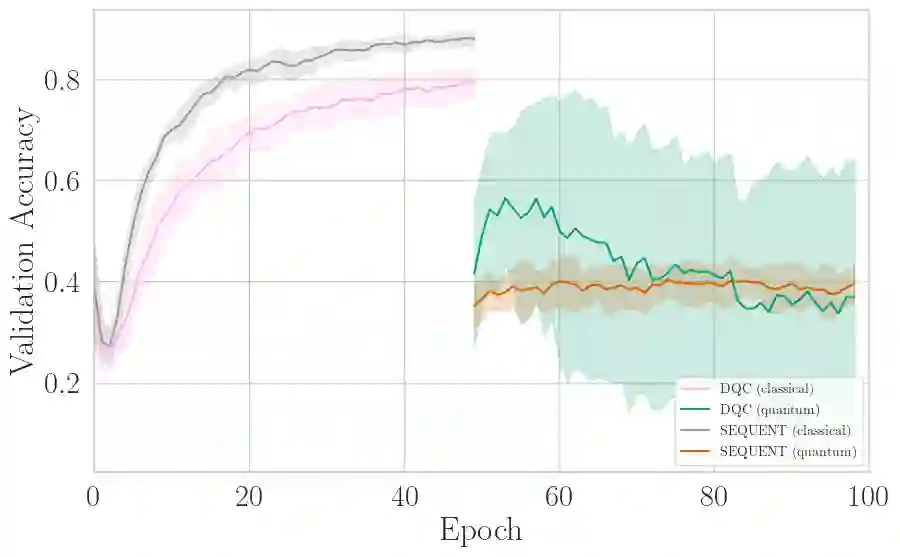
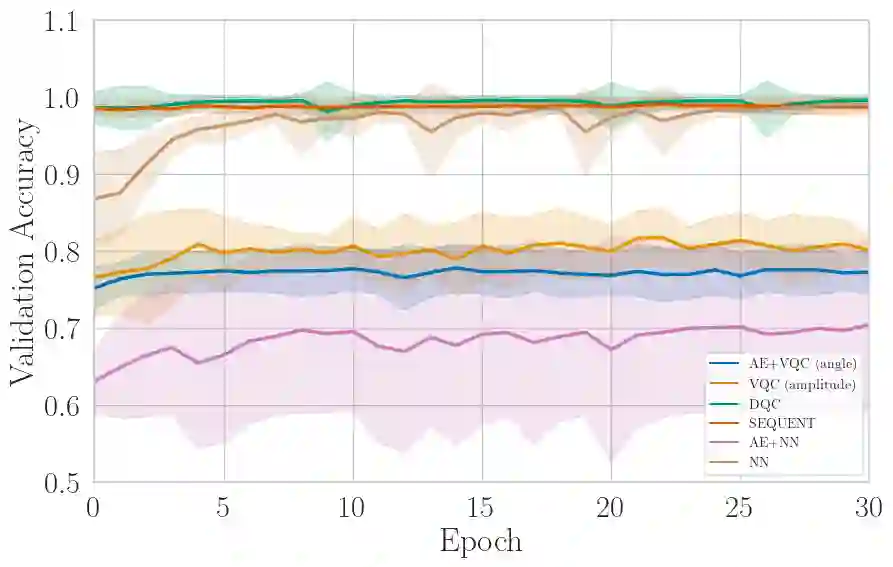
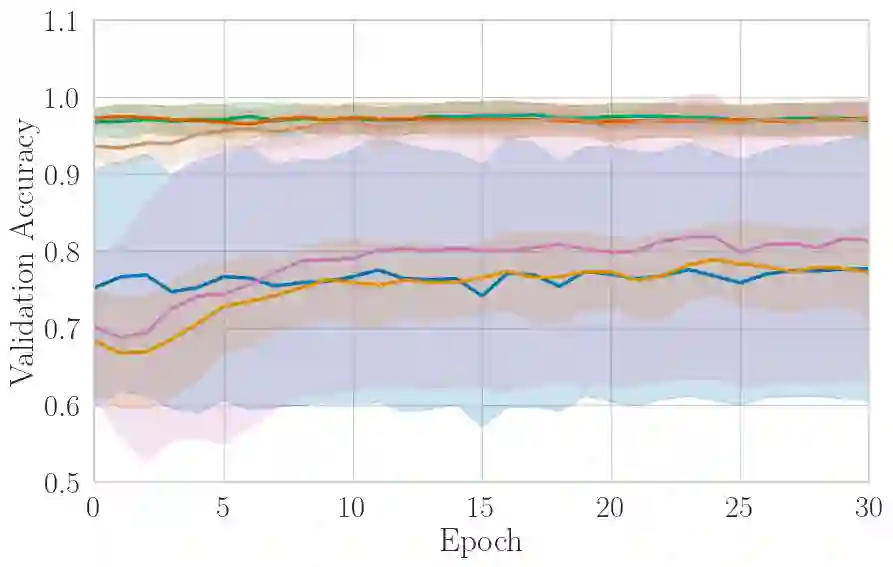
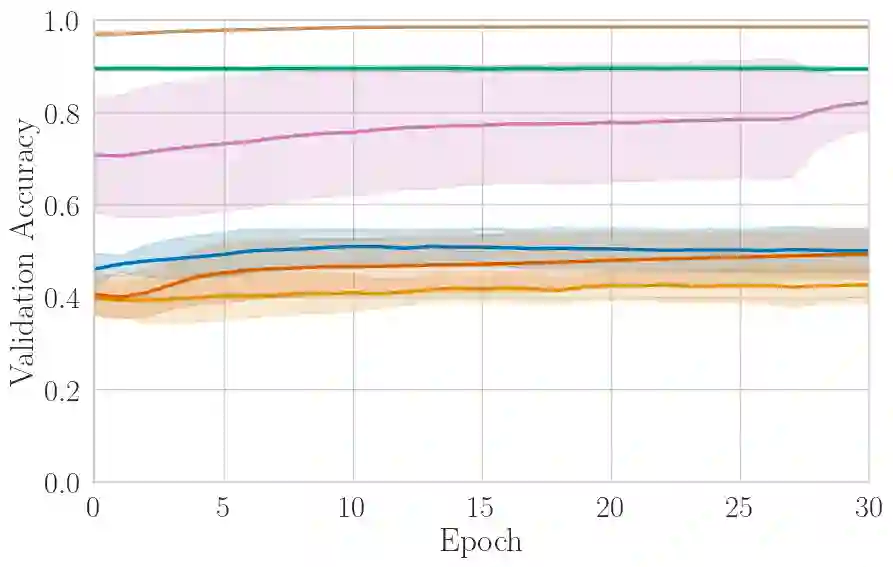
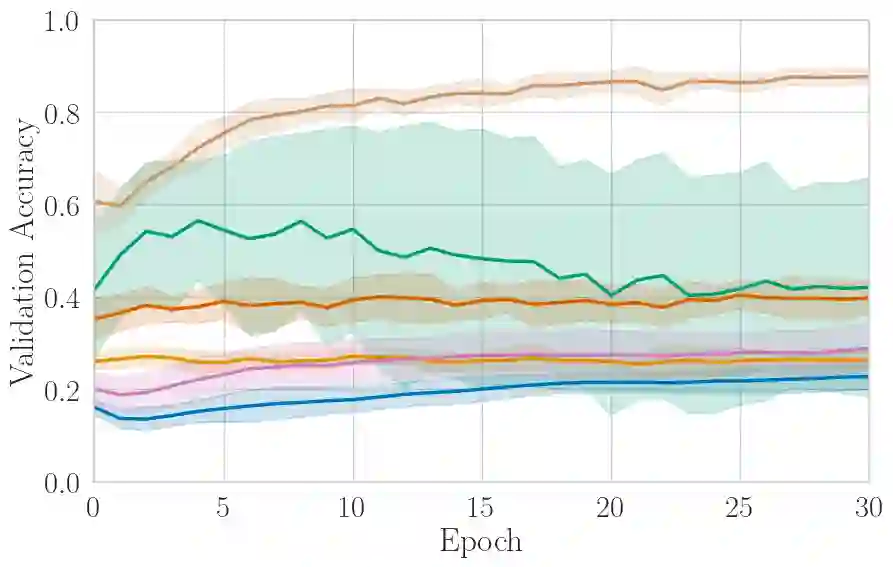
Quantum computing offers the potential for superior computational capabilities, particularly for data-intensive tasks. However, the current state of quantum hardware puts heavy restrictions on input size. To address this, hybrid transfer learning solutions have been developed, merging pre-trained classical models, capable of handling extensive inputs, with variational quantum circuits. Yet, it remains unclear how much each component - classical and quantum - contributes to the model's results. We propose a novel hybrid architecture: instead of utilizing a pre-trained network for compression, we employ an autoencoder to derive a compressed version of the input data. This compressed data is then channeled through the encoder part of the autoencoder to the quantum component. We assess our model's classification capabilities against two state-of-the-art hybrid transfer learning architectures, two purely classical architectures and one quantum architecture. Their accuracy is compared across four datasets: Banknote Authentication, Breast Cancer Wisconsin, MNIST digits, and AudioMNIST. Our research suggests that classical components significantly influence classification in hybrid transfer learning, a contribution often mistakenly ascribed to the quantum element. The performance of our model aligns with that of a variational quantum circuit using amplitude embedding, positioning it as a feasible alternative.
翻译:量子计算有望提供卓越的计算能力,尤其适用于数据密集型任务。然而,当前量子硬件的状态对输入规模施加了严格限制。为解决这一问题,开发了混合迁移学习解决方案,将能够处理大规模输入的预训练经典模型与变分量子电路相结合。然而,每个组成部分(经典部分和量子部分)对模型结果的贡献程度尚不明确。我们提出了一种新颖的混合架构:不是利用预训练网络进行压缩,而是采用自编码器对输入数据进行压缩,然后将压缩后的数据通过自编码器编码器部分传递给量子组件。我们在四个数据集上评估了模型的分类能力:钞票真伪鉴别、乳腺癌威斯康星州数据集、MNIST手写数字和AudioMNIST,并与两种最先进的混合迁移学习架构、两种纯经典架构和一种纯量子架构进行了比较。我们的研究表明,在混合迁移学习中,经典组件显著影响分类结果,而这一贡献常被误归因于量子元素。我们模型的性能与采用幅度嵌入的变分量子电路相当,因此可作为一种可行的替代方案。




相关内容




 微信扫码咨询专知VIP会员