

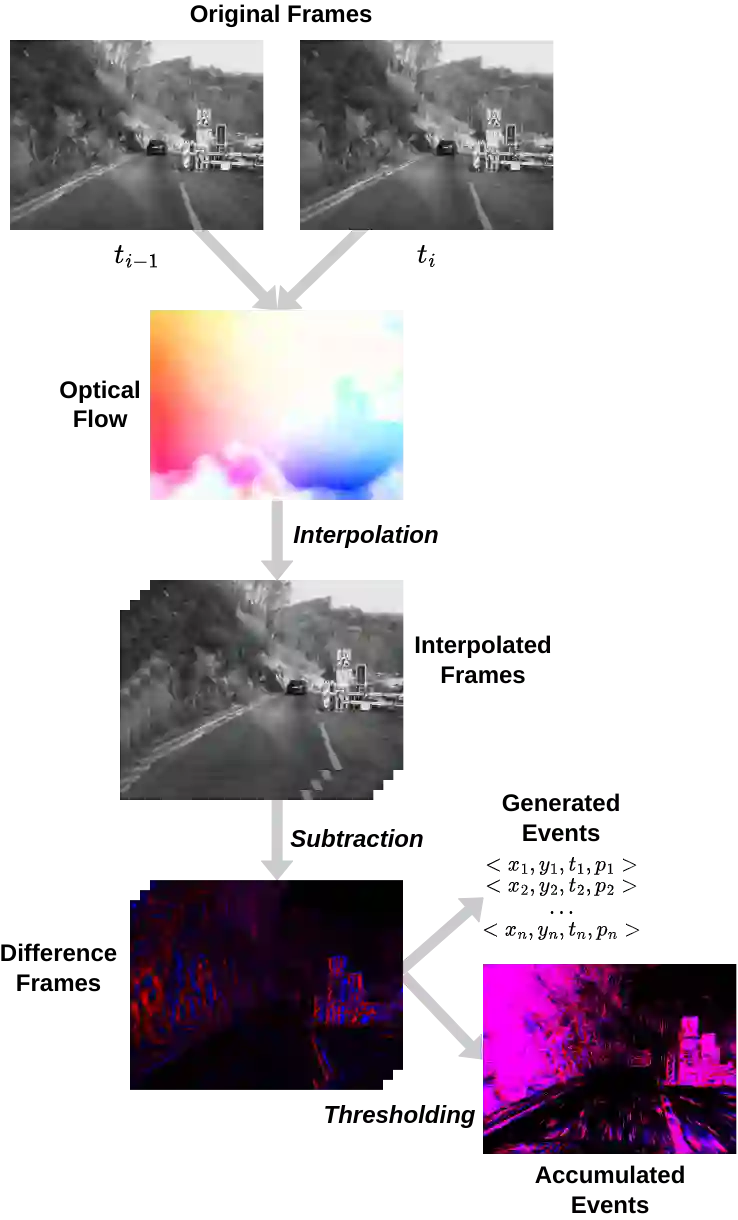
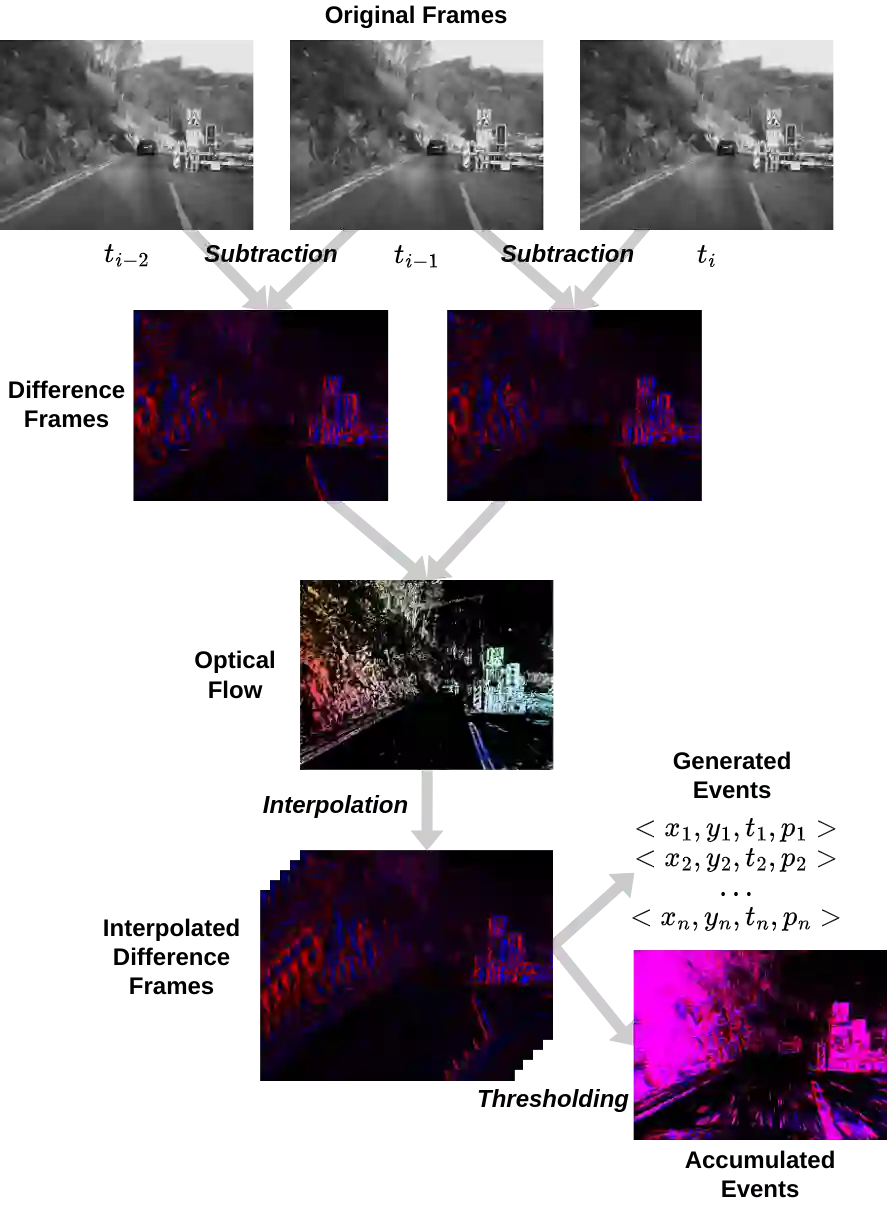
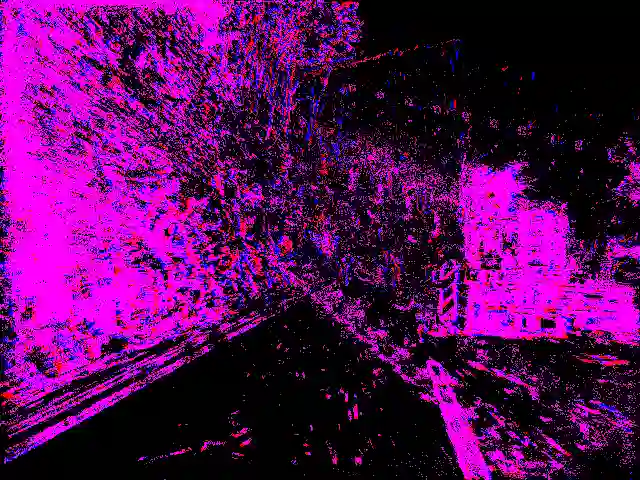
Event cameras are becoming increasingly popular in robotics and computer vision due to their beneficial properties, e.g., high temporal resolution, high bandwidth, almost no motion blur, and low power consumption. However, these cameras remain expensive and scarce in the market, making them inaccessible to the majority. Using event simulators minimizes the need for real event cameras to develop novel algorithms. However, due to the computational complexity of the simulation, the event streams of existing simulators cannot be generated in real-time but rather have to be pre-calculated from existing video sequences or pre-rendered and then simulated from a virtual 3D scene. Although these offline generated event streams can be used as training data for learning tasks, all response time dependent applications cannot benefit from these simulators yet, as they still require an actual event camera. This work proposes simulation methods that improve the performance of event simulation by two orders of magnitude (making them real-time capable) while remaining competitive in the quality assessment.
翻译:事件相机因其优越特性,例如高时间分辨率、高带宽、几乎无运动模糊及低功耗,在机器人学和计算机视觉领域日益受到关注。然而,这类相机目前仍价格昂贵且市场稀缺,导致大多数研究者难以获取。使用事件仿真器可降低研发新算法对真实事件相机的依赖。然而,受限于仿真计算复杂度,现有仿真器的事件流无法实时生成,而必须从现有视频序列或预渲染的虚拟3D场景中预先计算后再进行仿真。尽管这些离线生成的事件流可作为学习任务的训练数据,但所有依赖响应时间的应用仍无法受益于现有仿真器,因为它们仍需要实际的事件相机。本文提出的仿真方法将事件仿真性能提升两个数量级(实现实时能力),同时保持评估质量上的竞争力。




相关内容


 微信扫码咨询专知VIP会员