

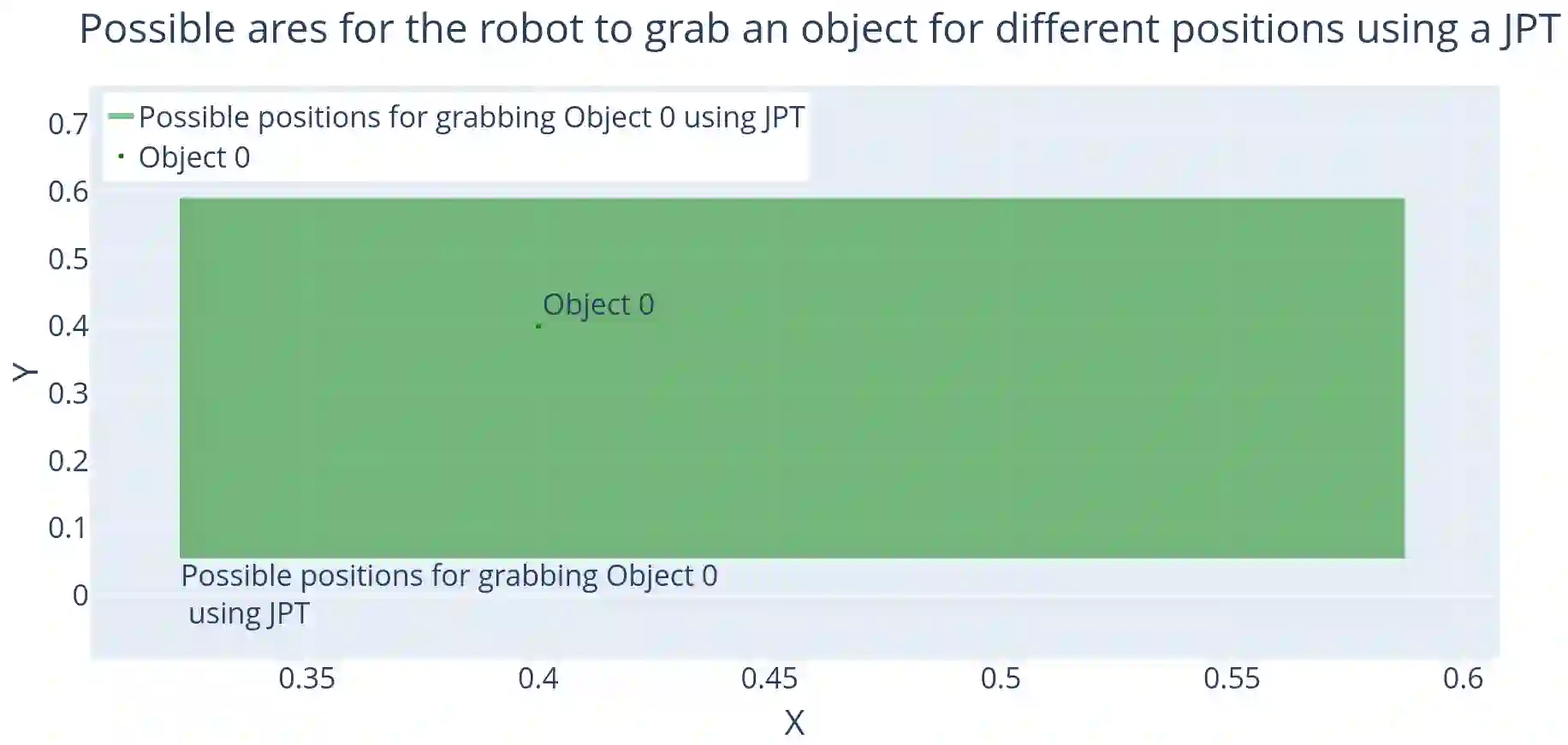
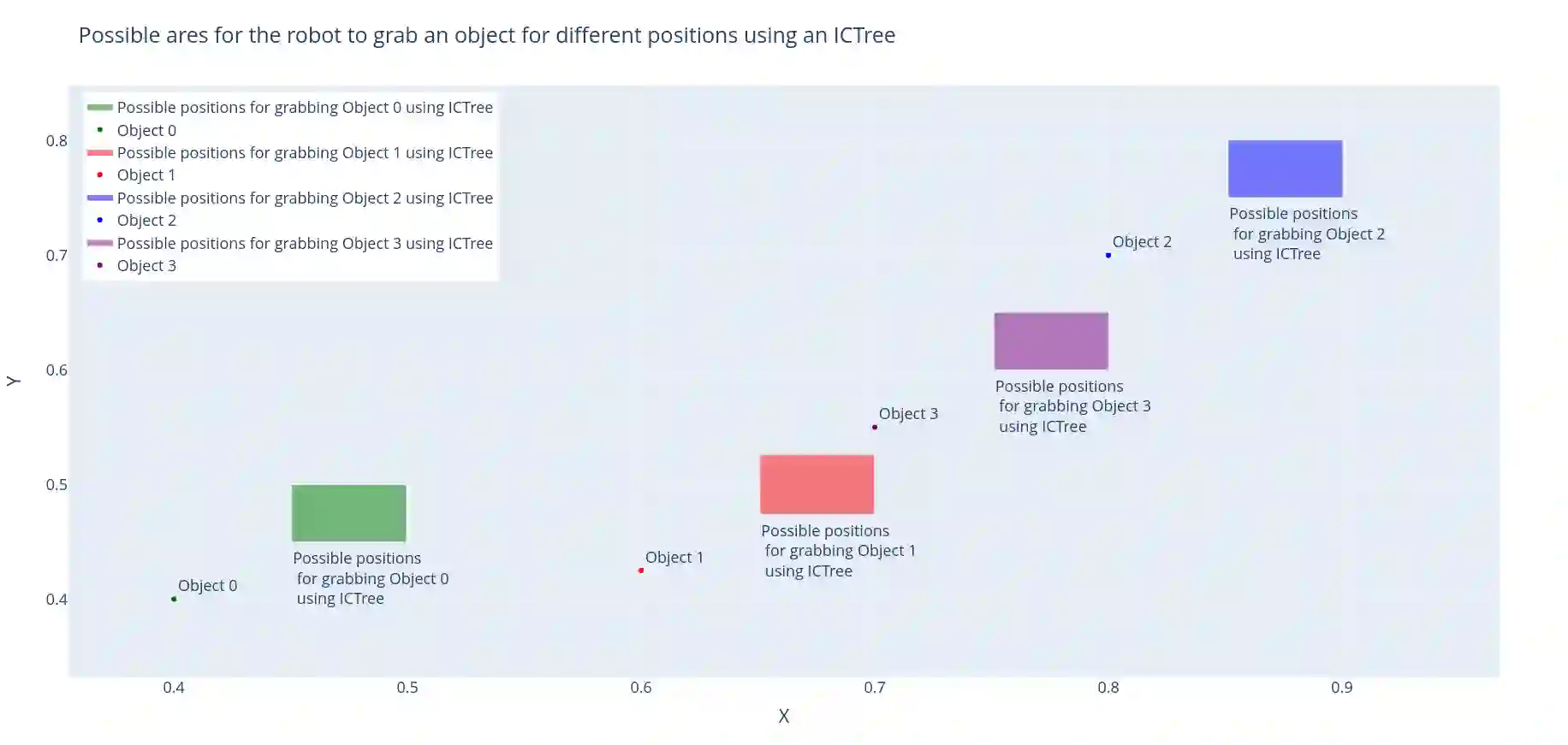
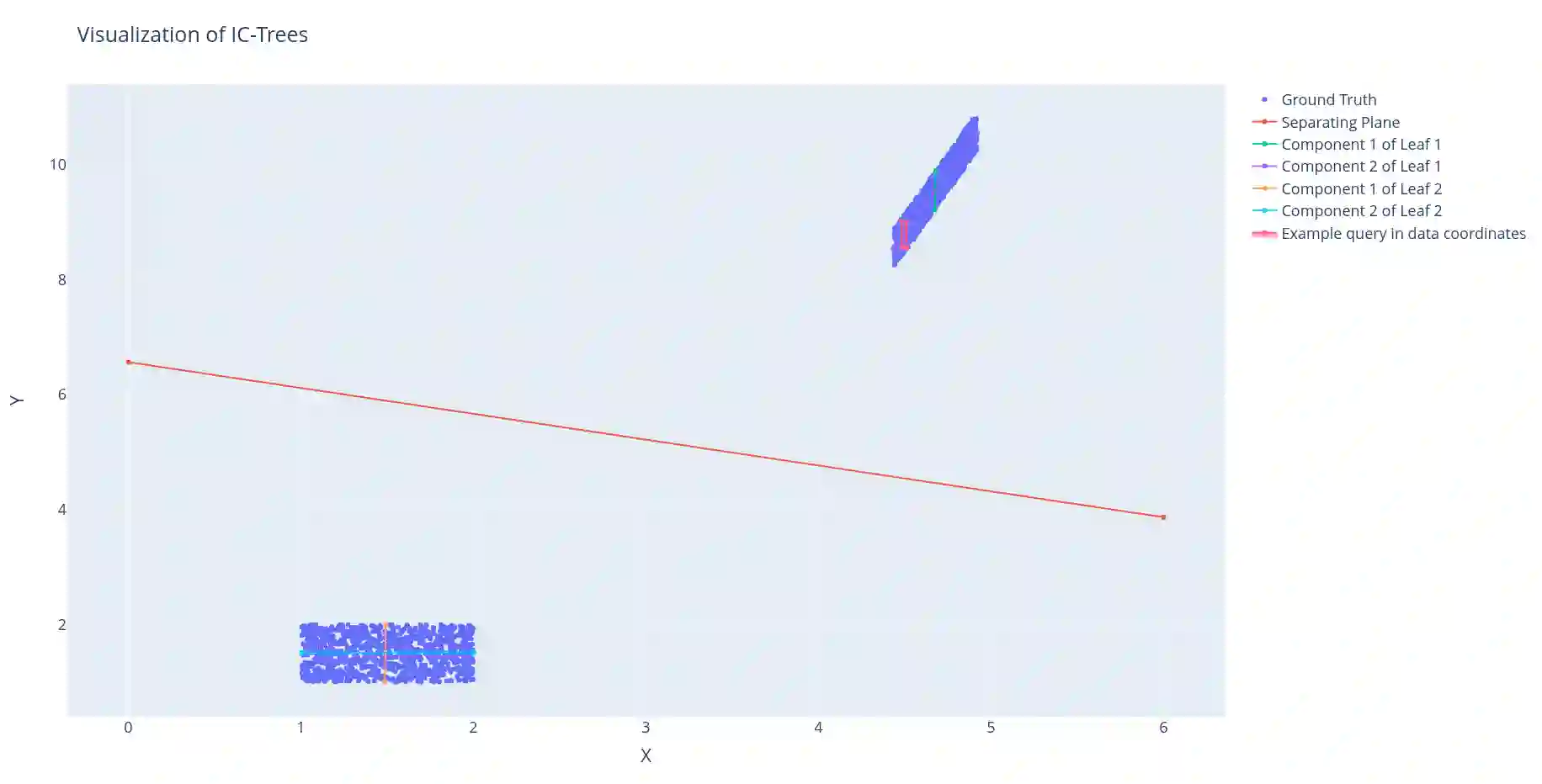
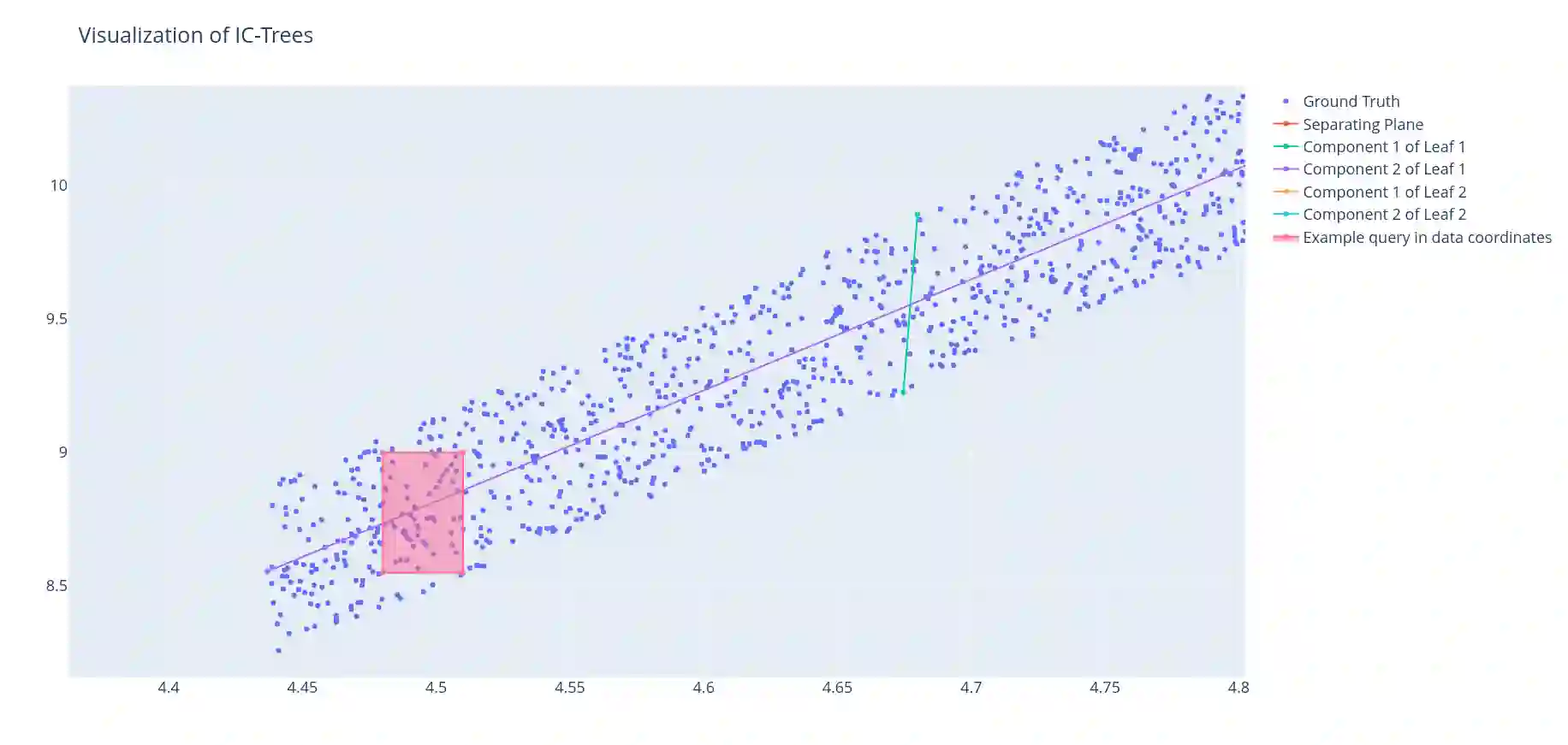
This study addresses the predictive limitation of probabilistic circuits and introduces transformations as a remedy to overcome it. We demonstrate this limitation in robotic scenarios. We motivate that independent component analysis is a sound tool to preserve the independence properties of probabilistic circuits. Our approach is an extension of joint probability trees, which are model-free deterministic circuits. By doing so, it is demonstrated that the proposed approach is able to achieve higher likelihoods while using fewer parameters compared to the joint probability trees on seven benchmark data sets as well as on real robot data. Furthermore, we discuss how to integrate transformations into tree-based learning routines. Finally, we argue that exact inference with transformed quantile parameterized distributions is not tractable. However, our approach allows for efficient sampling and approximate inference.
翻译:本研究针对概率电路在预测能力上的局限性,提出将变换作为解决该问题的手段。我们在机器人场景中论证了这一局限性,并指出独立成分分析是保持概率电路独立性属性的有效工具。所提方法是对联合概率树(一种无模型确定性电路)的扩展。实验表明,在七个基准数据集及真实机器人数据上,该方法能以更少的参数实现比联合概率树更高的似然值。此外,我们探讨了如何将变换集成到基于树的机器学习流程中。最后,我们论证了基于变换分位数参数化分布的精确推理不具备可操作性,但所提方法可实现高效采样与近似推理。





相关内容



 微信扫码咨询专知VIP会员