

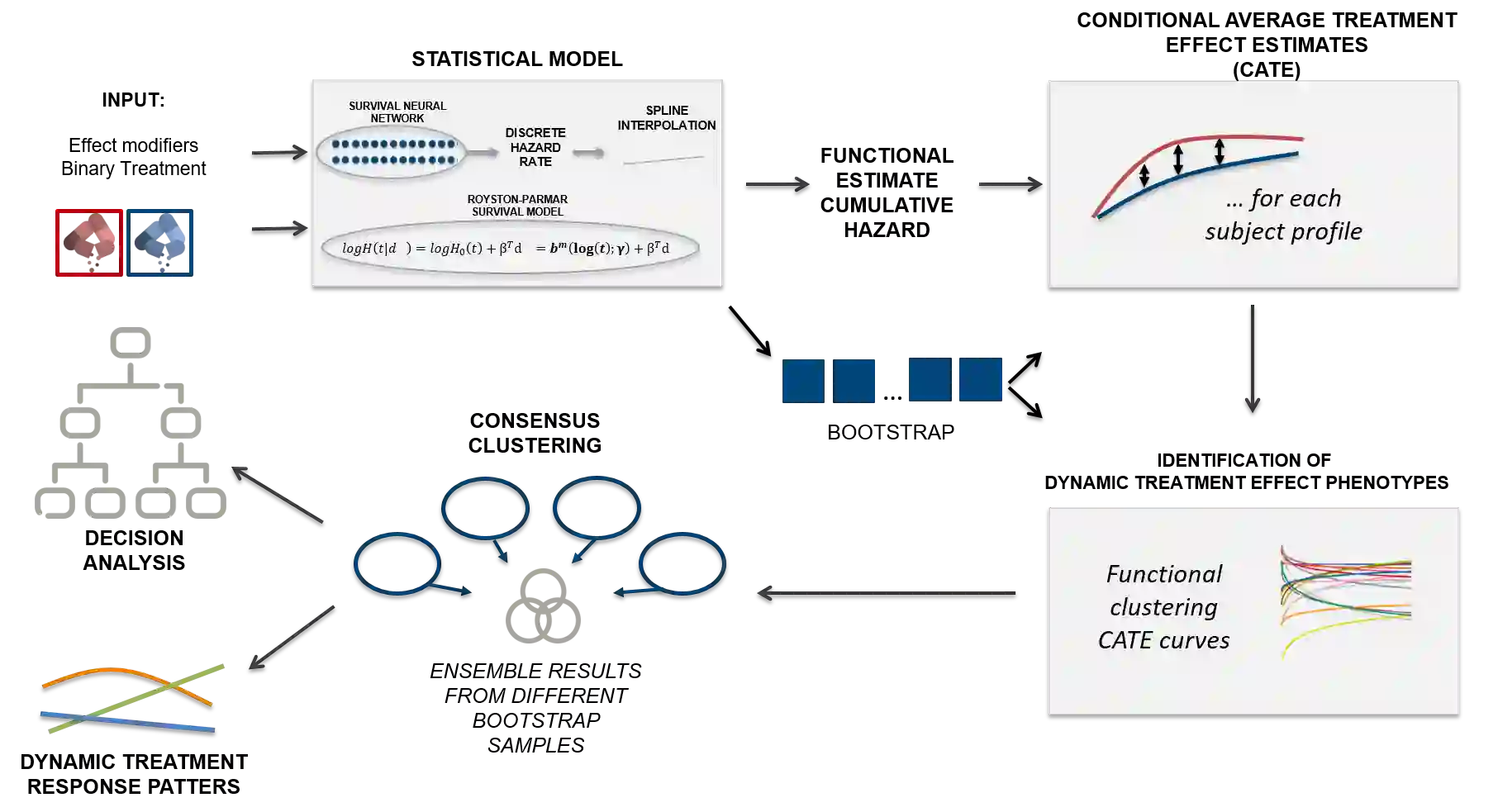
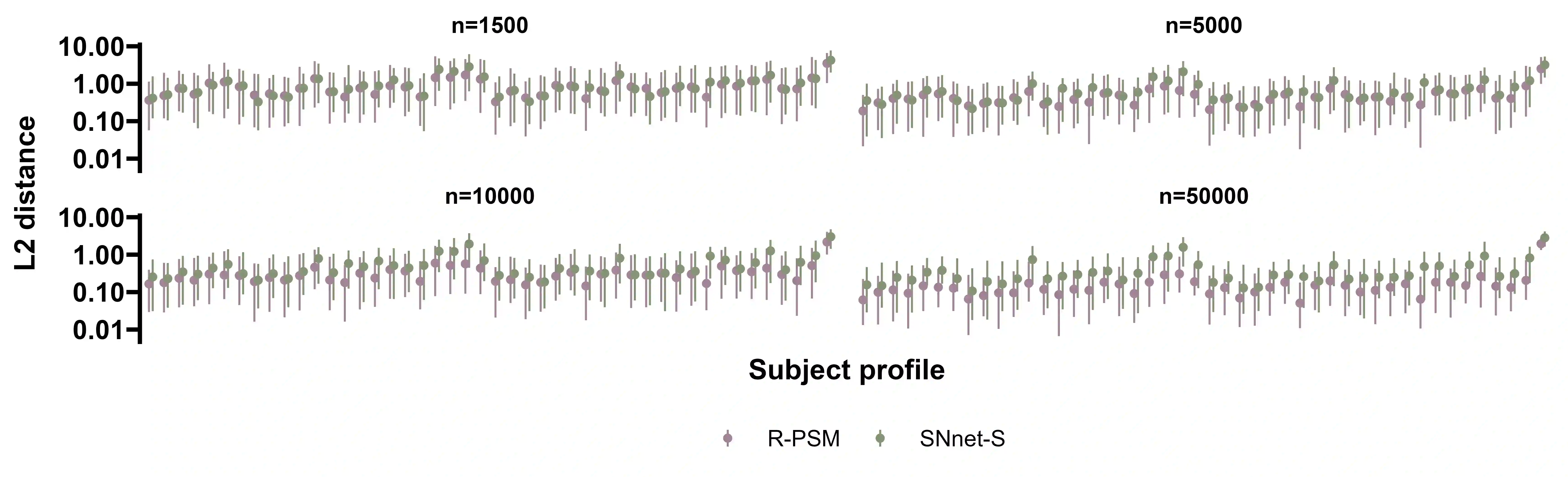
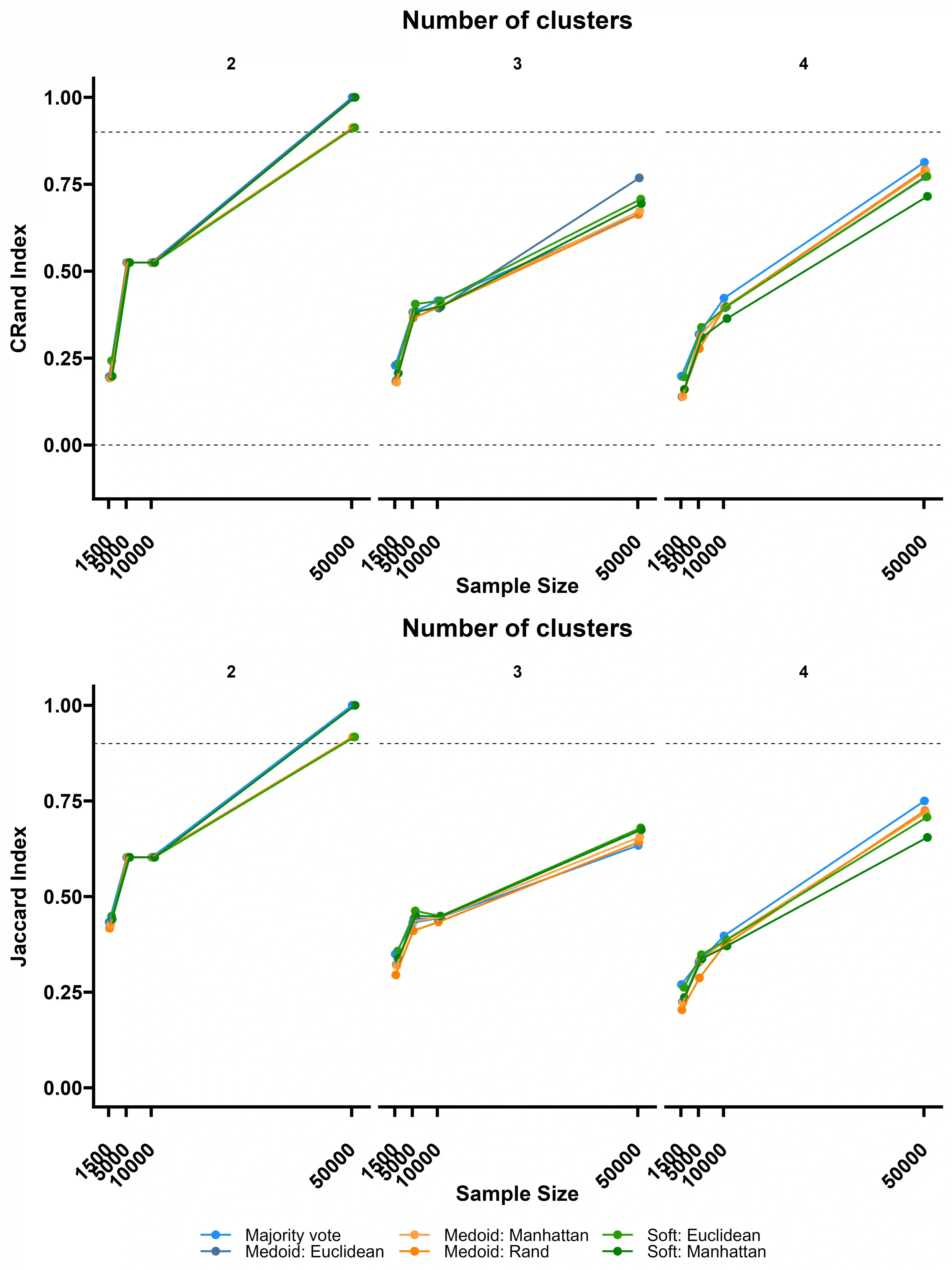
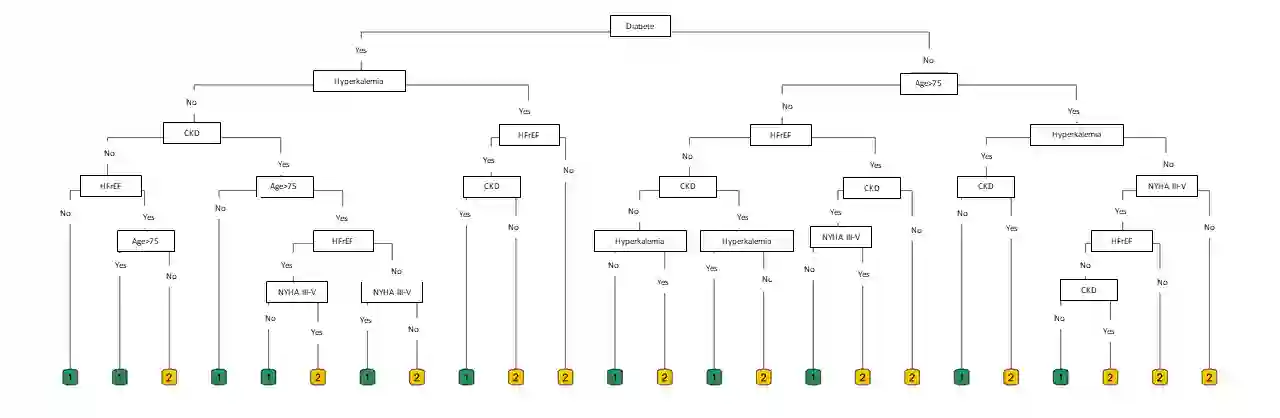
In recent years, research interest in personalised treatments has been growing. However, treatment effect heterogeneity and possibly time-varying treatment effects are still often overlooked in clinical studies. Statistical tools are needed for the identification of treatment response patterns, taking into account that treatment response is not constant over time. We aim to provide an innovative method to obtain dynamic treatment effect phenotypes on a time-to-event outcome, conditioned on a set of relevant effect modifiers. The proposed method does not require the assumption of proportional hazards for the treatment effect, which is rarely realistic. We propose a spline-based survival neural network, inspired by the Royston-Parmar survival model, to estimate time-varying conditional treatment effects. We then exploit the functional nature of the resulting estimates to apply a functional clustering of the treatment effect curves in order to identify different patterns of treatment effects. The application that motivated this work is the discontinuation of treatment with Mineralocorticoid receptor Antagonists (MRAs) in patients with heart failure, where there is no clear evidence as to which patients it is the safest choice to discontinue treatment and, conversely, when it leads to a higher risk of adverse events. The data come from an electronic health record database. A simulation study was performed to assess the performance of the spline-based neural network and the stability of the treatment response phenotyping procedure. We provide a novel method to inform individualized medical decisions by characterising subject-specific treatment responses over time.
翻译:近年来,个体化治疗的研究兴趣日益增长。然而,临床研究中仍常忽略治疗效果的异质性及可能随时间变化的治疗效果。需要统计工具来识别治疗方案响应模式,同时考虑治疗效果并非恒定不变。我们旨在提出一种创新方法,在基于一组相关效应修正因子的条件下,针对时间-事件结局获取动态治疗效果表型。所提方法无需假设治疗效果的比例风险性——这一假设在现实中很少成立。我们受Royston-Parmar生存模型启发,提出一种基于样条的生存神经网络来估计时变条件治疗效果。随后利用所得估计的功能性特征,对治疗效果曲线进行功能聚类,以识别不同的治疗效果模式。本研究源于对心力衰竭患者停用盐皮质激素受体拮抗剂(MRAs)治疗的临床应用:目前尚缺乏明确证据表明哪些患者停药最安全,反之,何时停药会导致更高的不良事件风险。数据来源于电子健康记录数据库。我们开展了模拟研究,评估基于样条的神经网络性能及治疗响应表型分型的稳定性。通过表征个体随时间变化的治疗响应,我们提供了一种指导个体化医疗决策的新方法。





相关内容



 微信扫码咨询专知VIP会员