

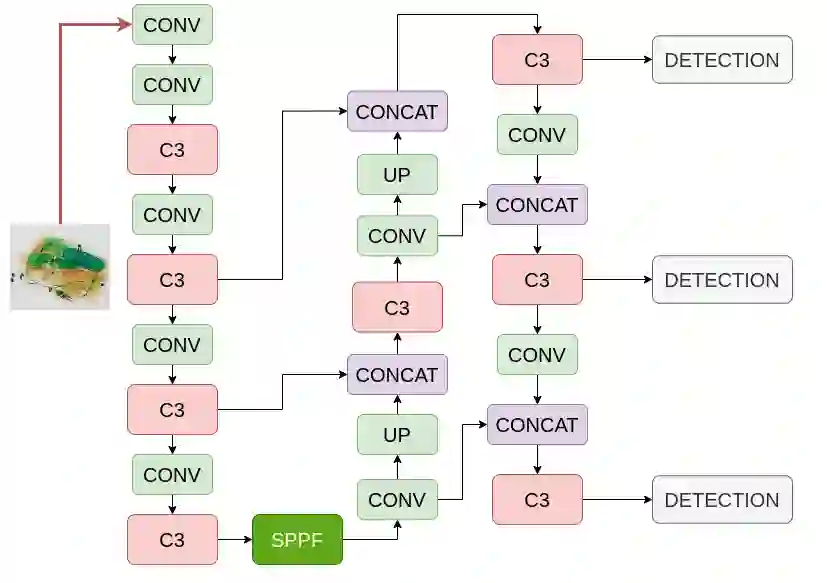
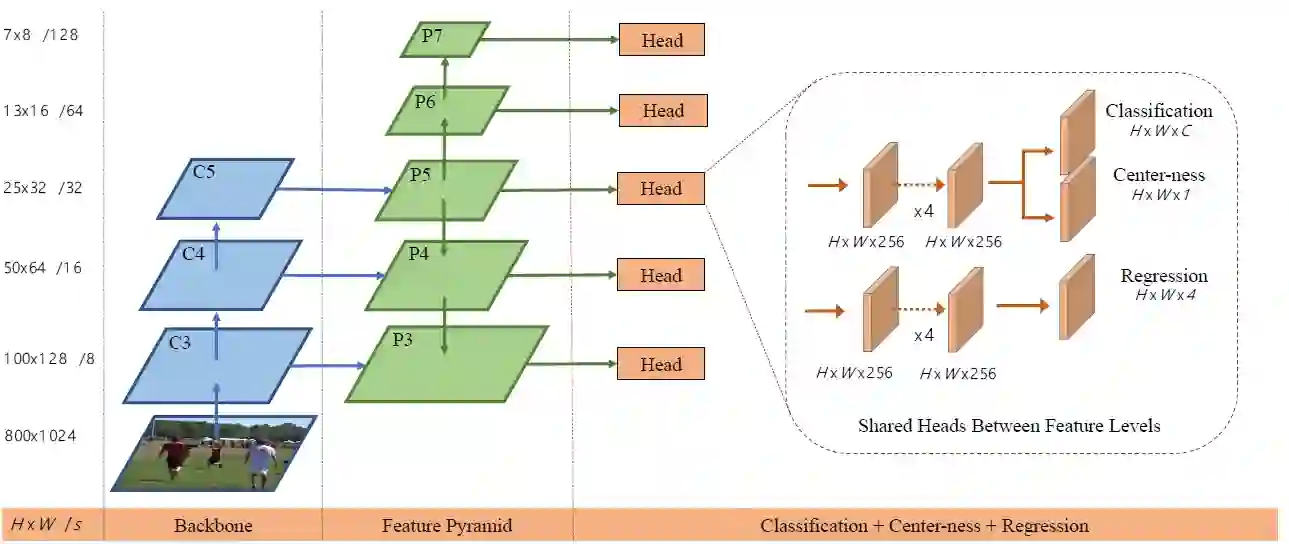
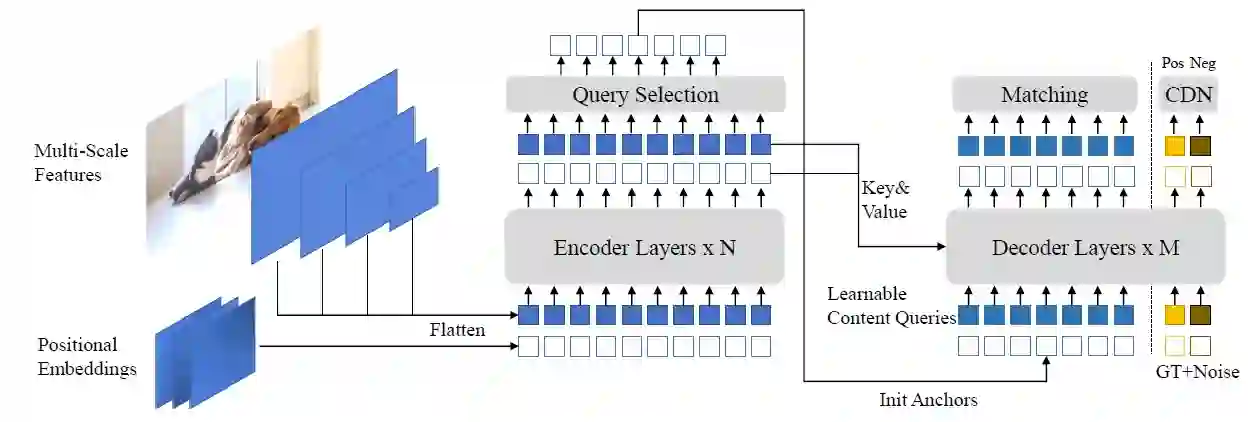
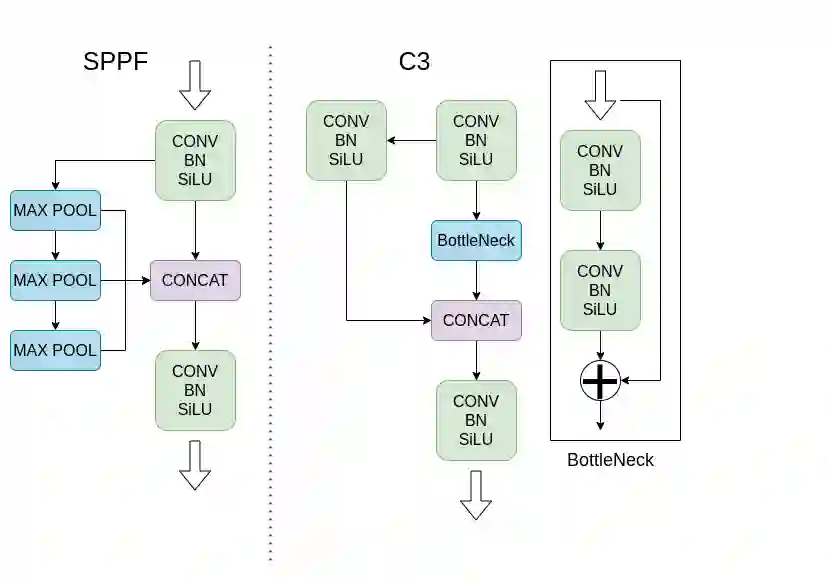
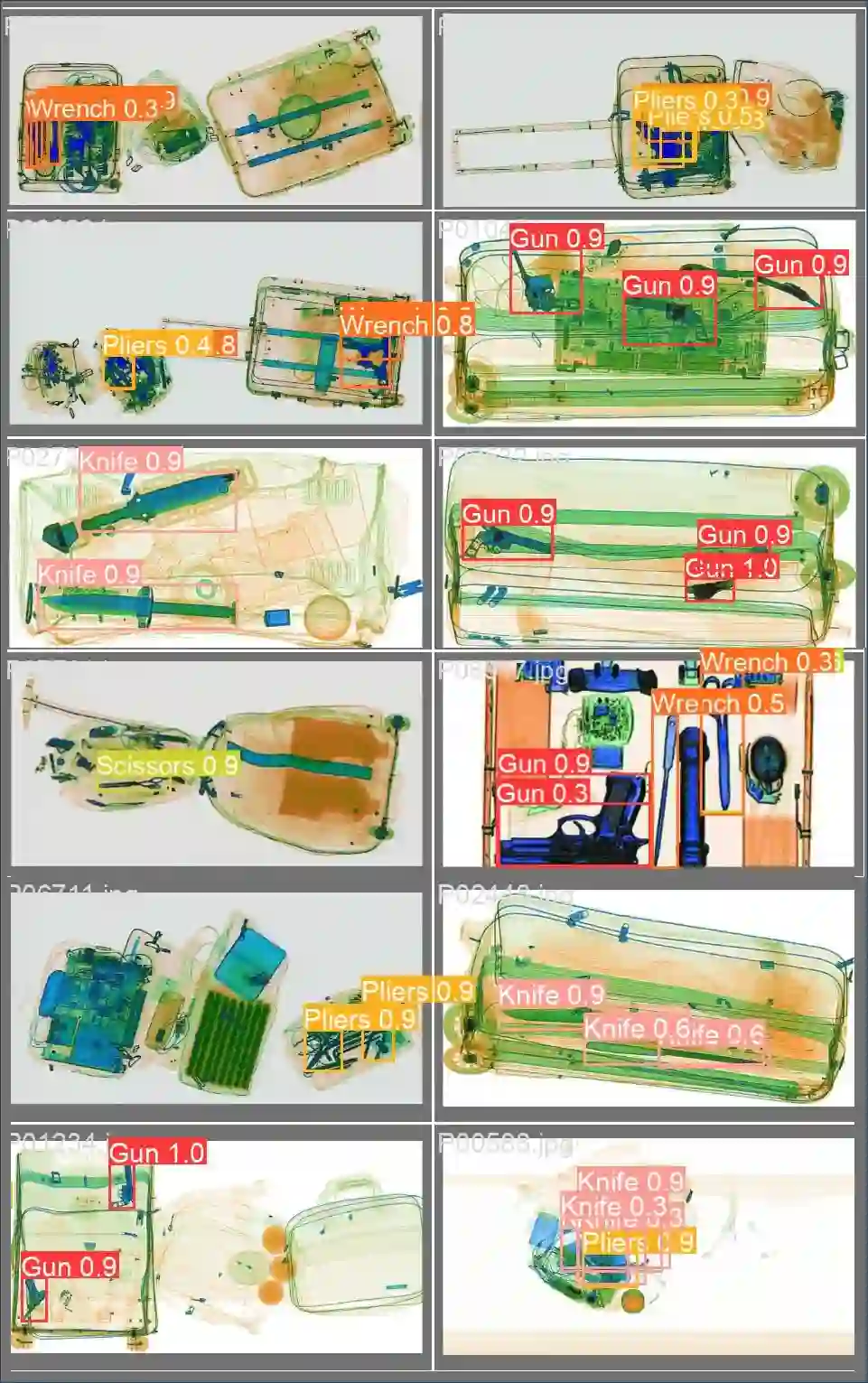
Automated detection of contraband items in X-ray images can significantly increase public safety, by enhancing the productivity and alleviating the mental load of security officers in airports, subways, customs/post offices, etc. The large volume and high throughput of passengers, mailed parcels, etc., during rush hours practically make it a Big Data problem. Modern computer vision algorithms relying on Deep Neural Networks (DNNs) have proven capable of undertaking this task even under resource-constrained and embedded execution scenarios, e.g., as is the case with fast, single-stage object detectors. However, no comparative experimental assessment of the various relevant DNN components/methods has been performed under a common evaluation protocol, which means that reliable cross-method comparisons are missing. This paper presents exactly such a comparative assessment, utilizing a public relevant dataset and a well-defined methodology for selecting the specific DNN components/modules that are being evaluated. The results indicate the superiority of Transformer detectors, the obsolete nature of auxiliary neural modules that have been developed in the past few years for security applications and the efficiency of the CSP-DarkNet backbone CNN.
翻译:自动检测X射线图像中的违禁品可显著提升公共安全,通过提高安检效率并减轻机场、地铁、海关/邮局等场所安检员的精神负担。高峰期乘客与邮寄包裹的高流量特性使其本质上成为一个大数据问题。现代依赖深度神经网络的计算机视觉算法已被证明即使在资源受限与嵌入式执行场景下(如高速单阶段目标检测器)也能胜任此任务。然而,现有研究尚未在统一评估协议下对不同深度神经网络组件/方法进行实验比较,导致跨方法可靠对比的缺失。本文正是基于公开相关数据集与明确定义的评估方法论,完成了此类比较评估,旨在评测特定深度神经网络组件/模块的性能。结果表明:Transformer检测器具有显著优势,过去数年为安检应用开发的辅助神经模块已显过时,CSP-DarkNet骨干卷积神经网络具备高效性。




相关内容



 微信扫码咨询专知VIP会员