

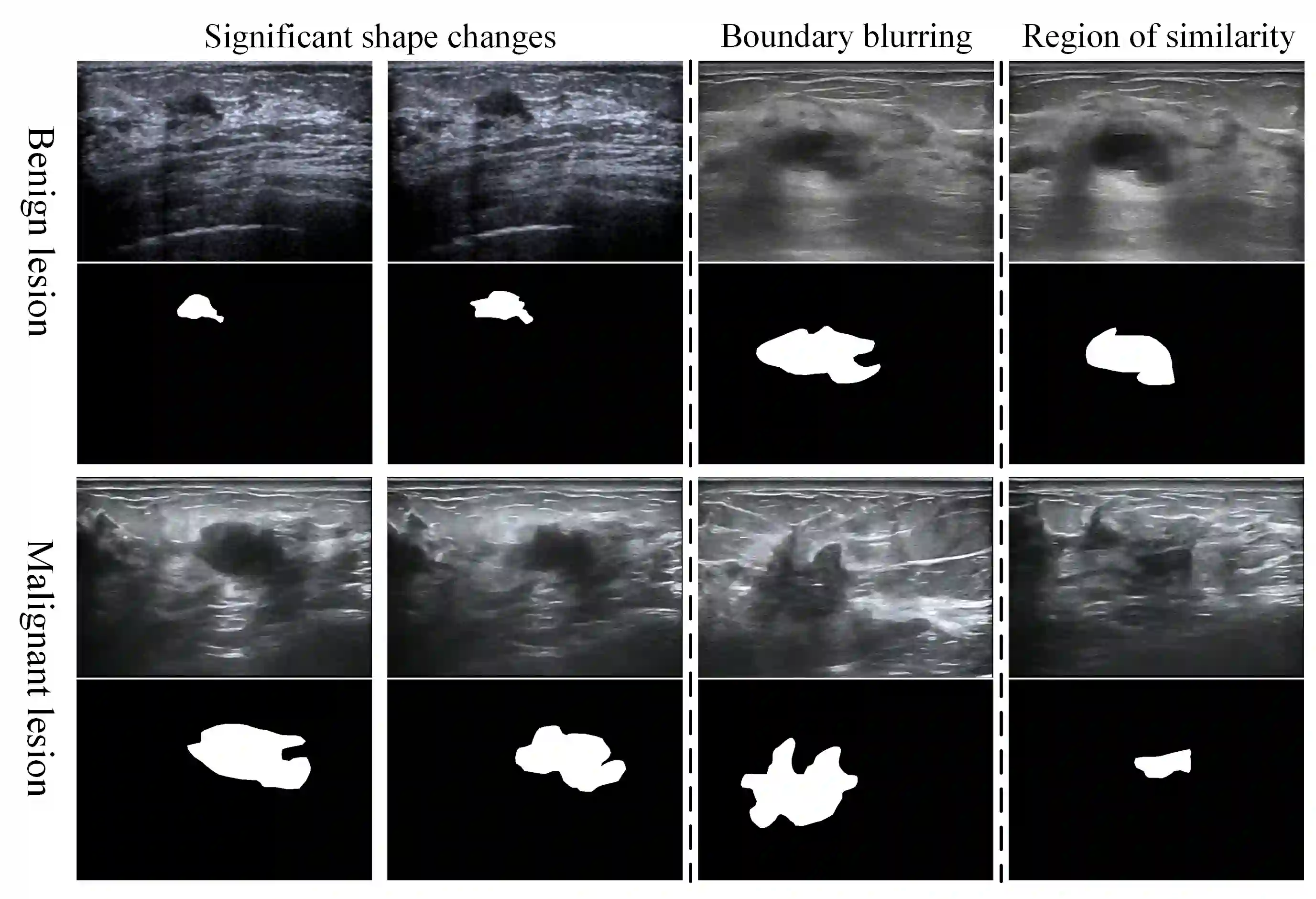
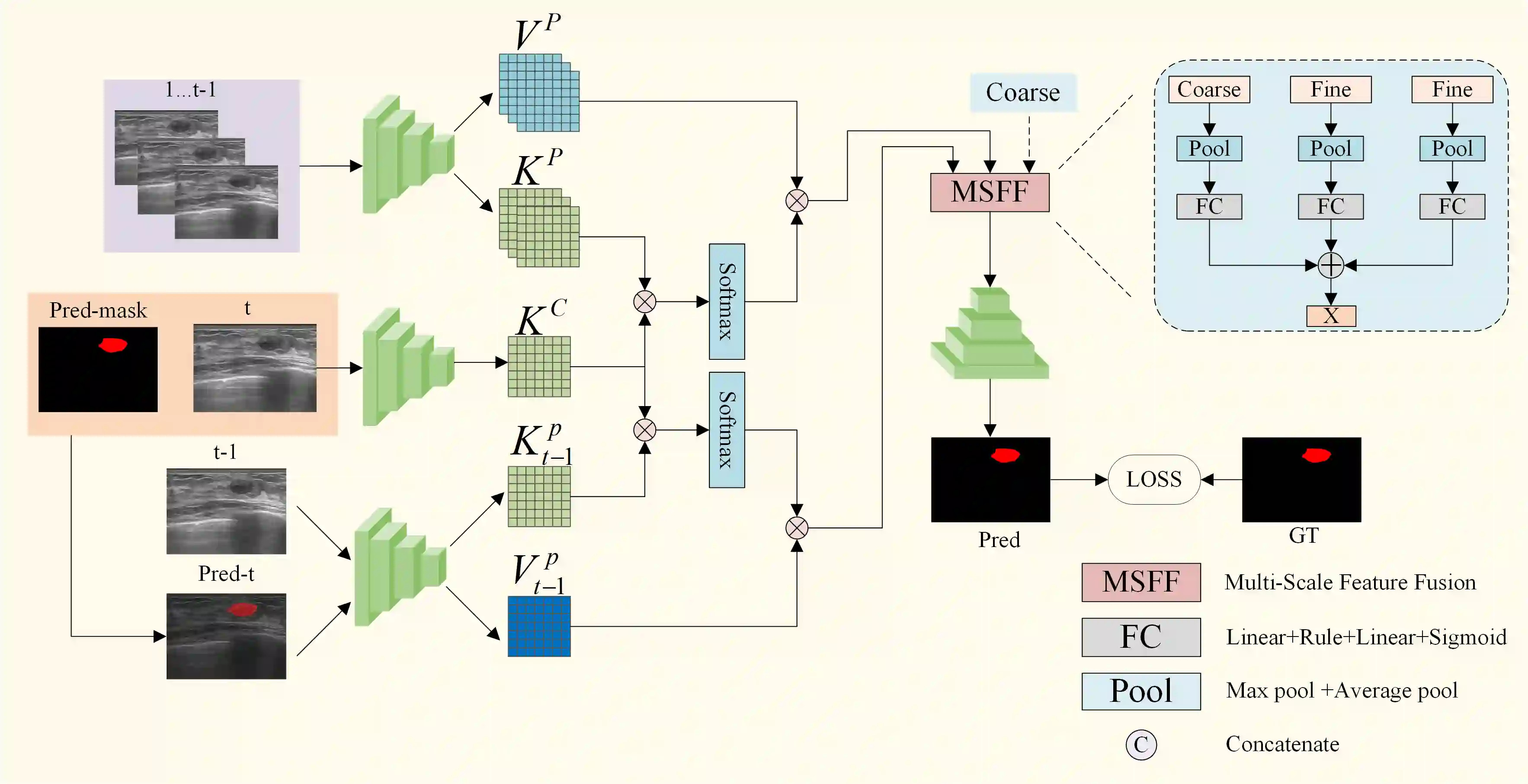
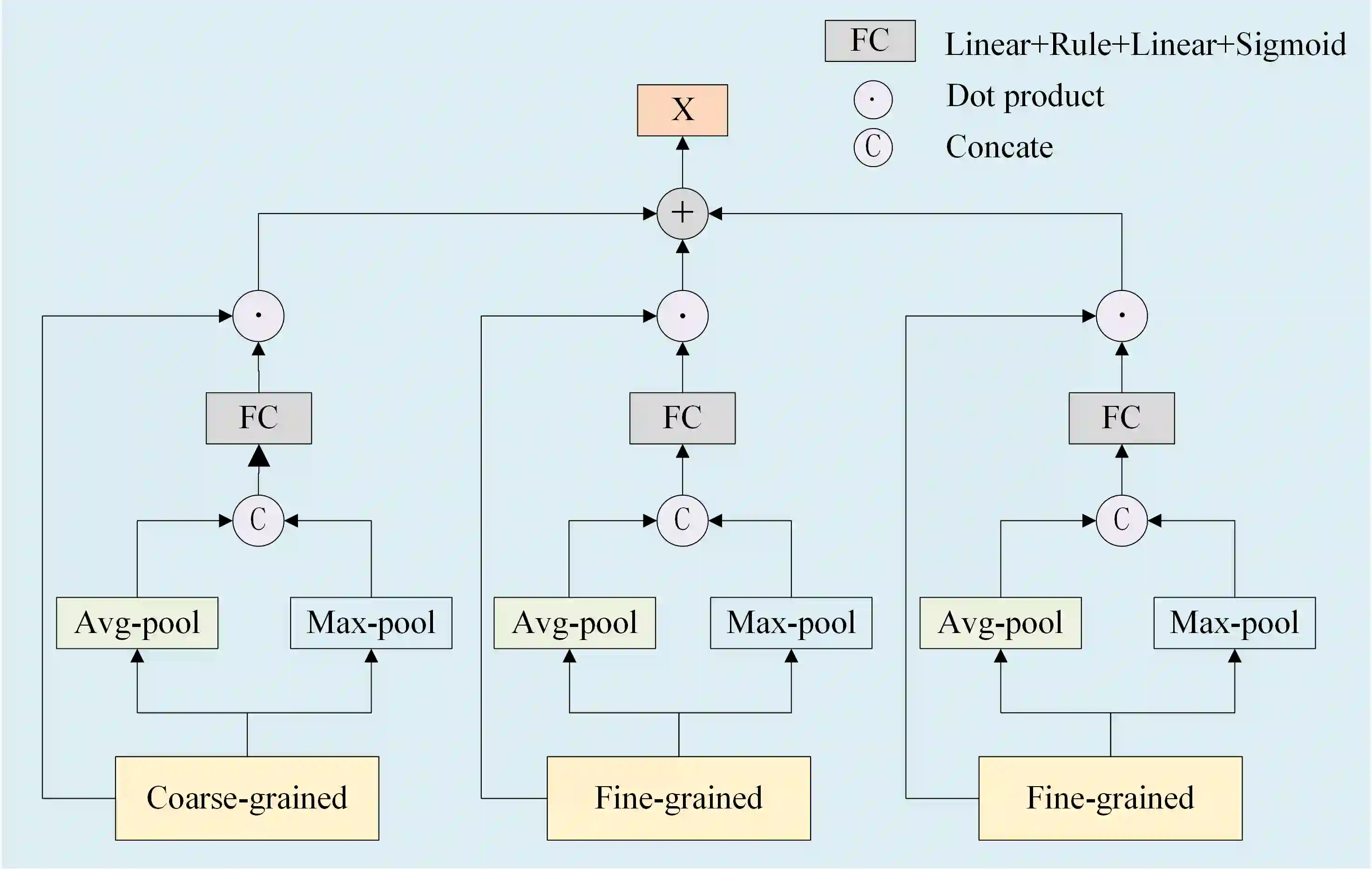
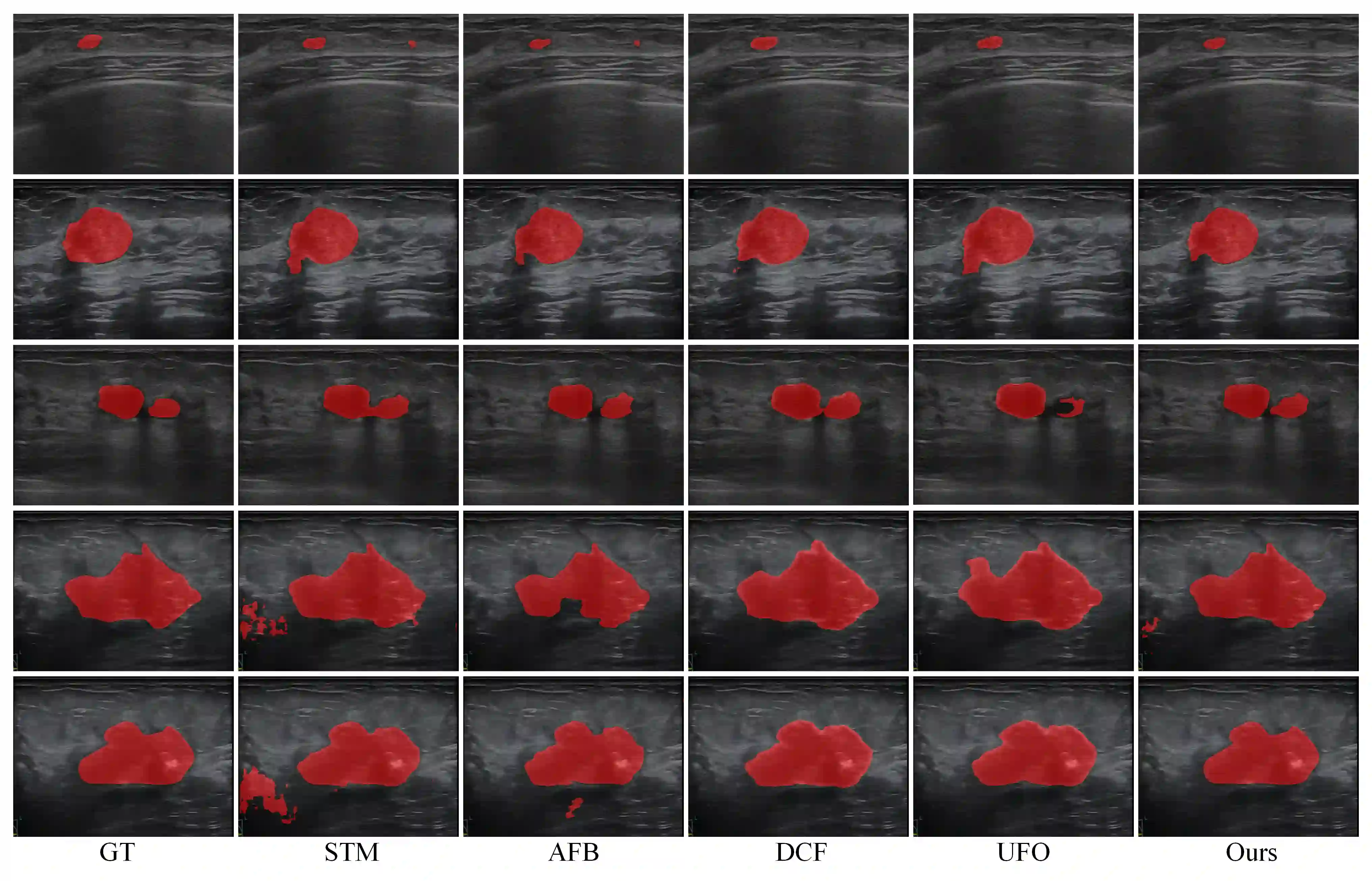
Ultrasound video-based breast lesion segmentation provides a valuable assistance in early breast lesion detection and treatment. However, existing works mainly focus on lesion segmentation based on ultrasound breast images which usually can not be adapted well to obtain desirable results on ultrasound videos. The main challenge for ultrasound video-based breast lesion segmentation is how to exploit the lesion cues of both intra-frame and inter-frame simultaneously. To address this problem, we propose a novel Spatial-Temporal Progressive Fusion Network (STPFNet) for video based breast lesion segmentation problem. The main aspects of the proposed STPFNet are threefold. First, we propose to adopt a unified network architecture to capture both spatial dependences within each ultrasound frame and temporal correlations between different frames together for ultrasound data representation. Second, we propose a new fusion module, termed Multi-Scale Feature Fusion (MSFF), to fuse spatial and temporal cues together for lesion detection. MSFF can help to determine the boundary contour of lesion region to overcome the issue of lesion boundary blurring. Third, we propose to exploit the segmentation result of previous frame as the prior knowledge to suppress the noisy background and learn more robust representation. In particular, we introduce a new publicly available ultrasound video breast lesion segmentation dataset, termed UVBLS200, which is specifically dedicated to breast lesion segmentation. It contains 200 videos, including 80 videos of benign lesions and 120 videos of malignant lesions. Experiments on the proposed dataset demonstrate that the proposed STPFNet achieves better breast lesion detection performance than state-of-the-art methods.
翻译:基于超声视频的乳腺病灶分割为早期乳腺病灶检测与治疗提供了有价值的辅助手段。然而,现有研究主要聚焦于基于超声乳腺图像的病灶分割,通常难以良好适配超声视频以获得理想结果。超声视频乳腺病灶分割的主要挑战在于如何同时利用帧内与帧间的病灶线索。为应对此问题,我们提出了一种新颖的时空渐进融合网络(STPFNet)用于视频乳腺病灶分割。本文所提STPFNet的主要贡献包含三个方面:首先,我们采用统一网络架构同时捕获超声数据中每帧的空间依赖关系及不同帧之间的时间相关性;其次,提出一种新型融合模块——多尺度特征融合(MSFF),用于融合时空线索进行病灶检测。MSFF可帮助确定病灶区域的边界轮廓,从而克服病灶边界模糊问题;第三,我们提出利用前一帧的分割结果作为先验知识,以抑制噪声背景并学习更鲁棒的表征。特别地,我们引入了一个新的公开超声视频乳腺病灶分割数据集UVBLS200,专用于乳腺病灶分割任务。该数据集包含200个视频,其中80个良性病灶视频与120个恶性病灶视频。在提出数据集上的实验表明,所提STPFNet相比现有最优方法取得了更优的乳腺病灶检测性能。




相关内容




 微信扫码咨询专知VIP会员