

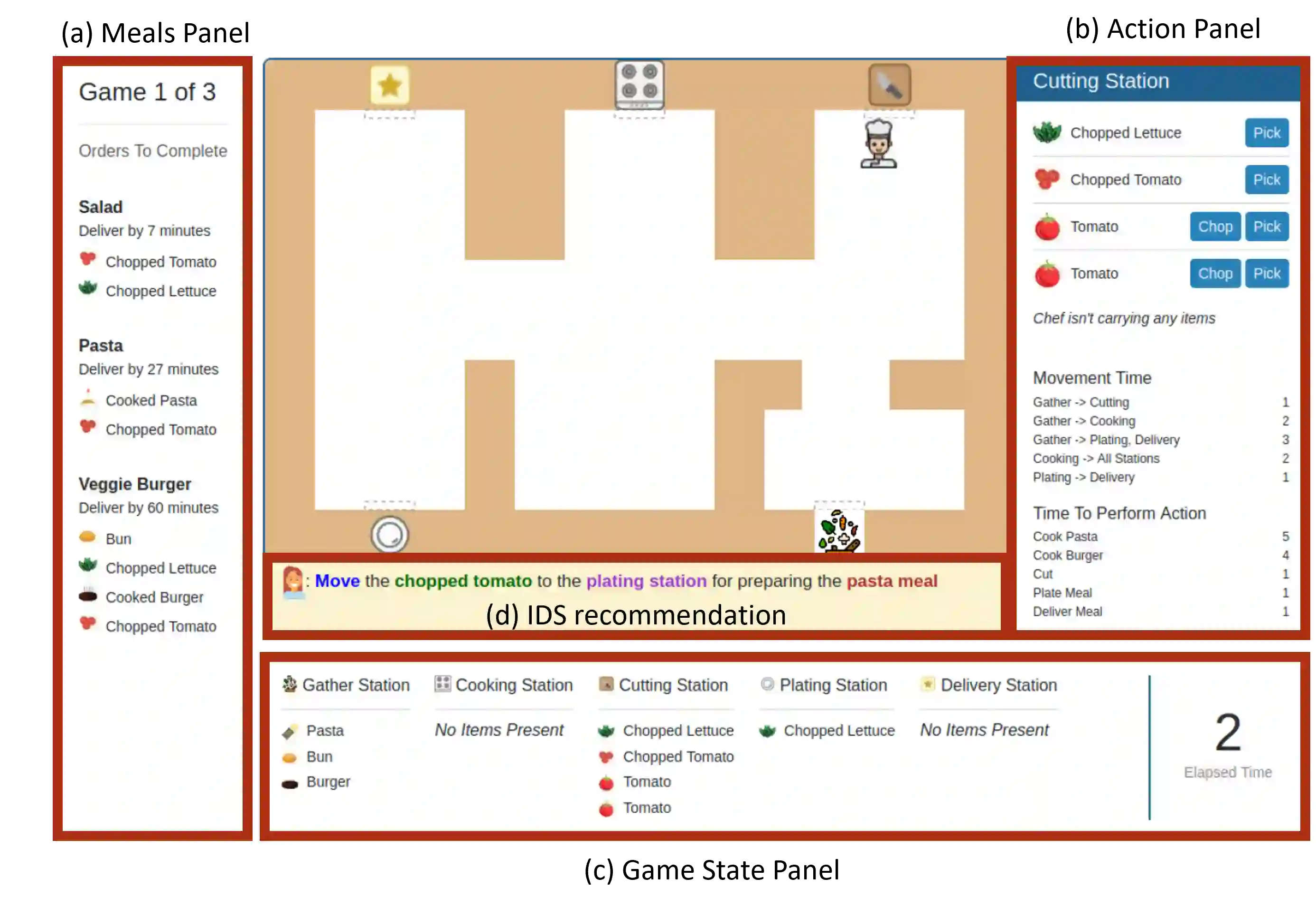
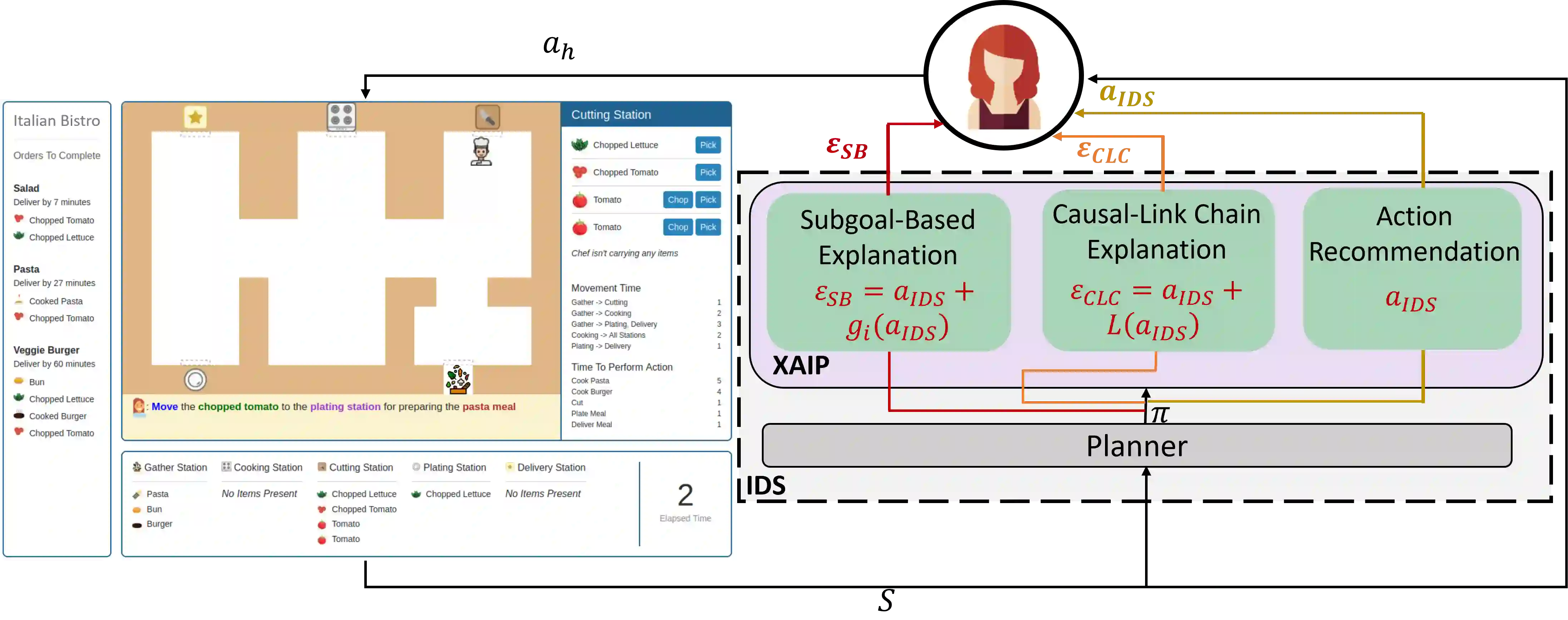
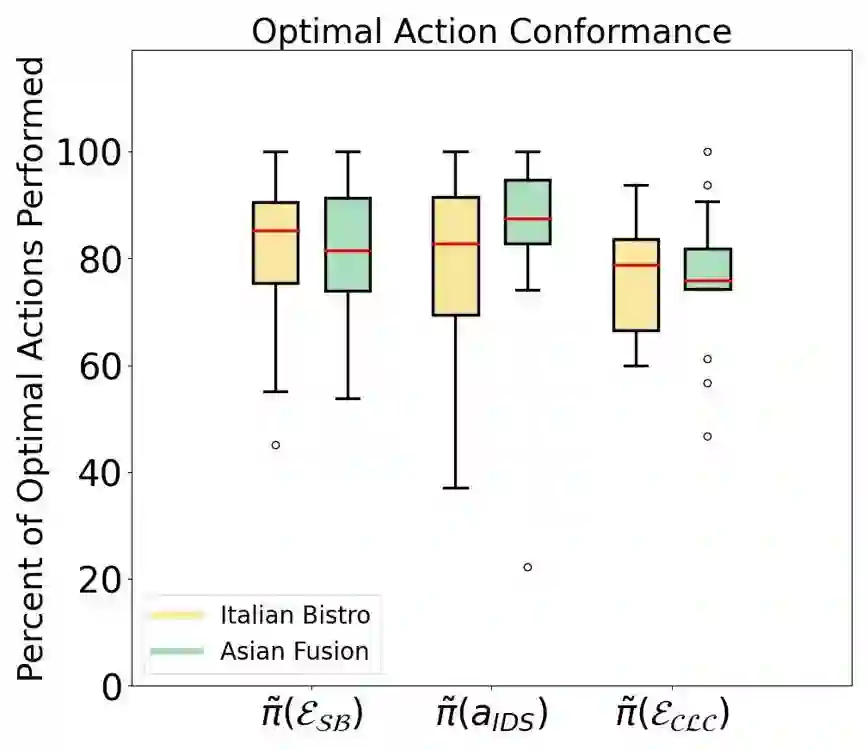
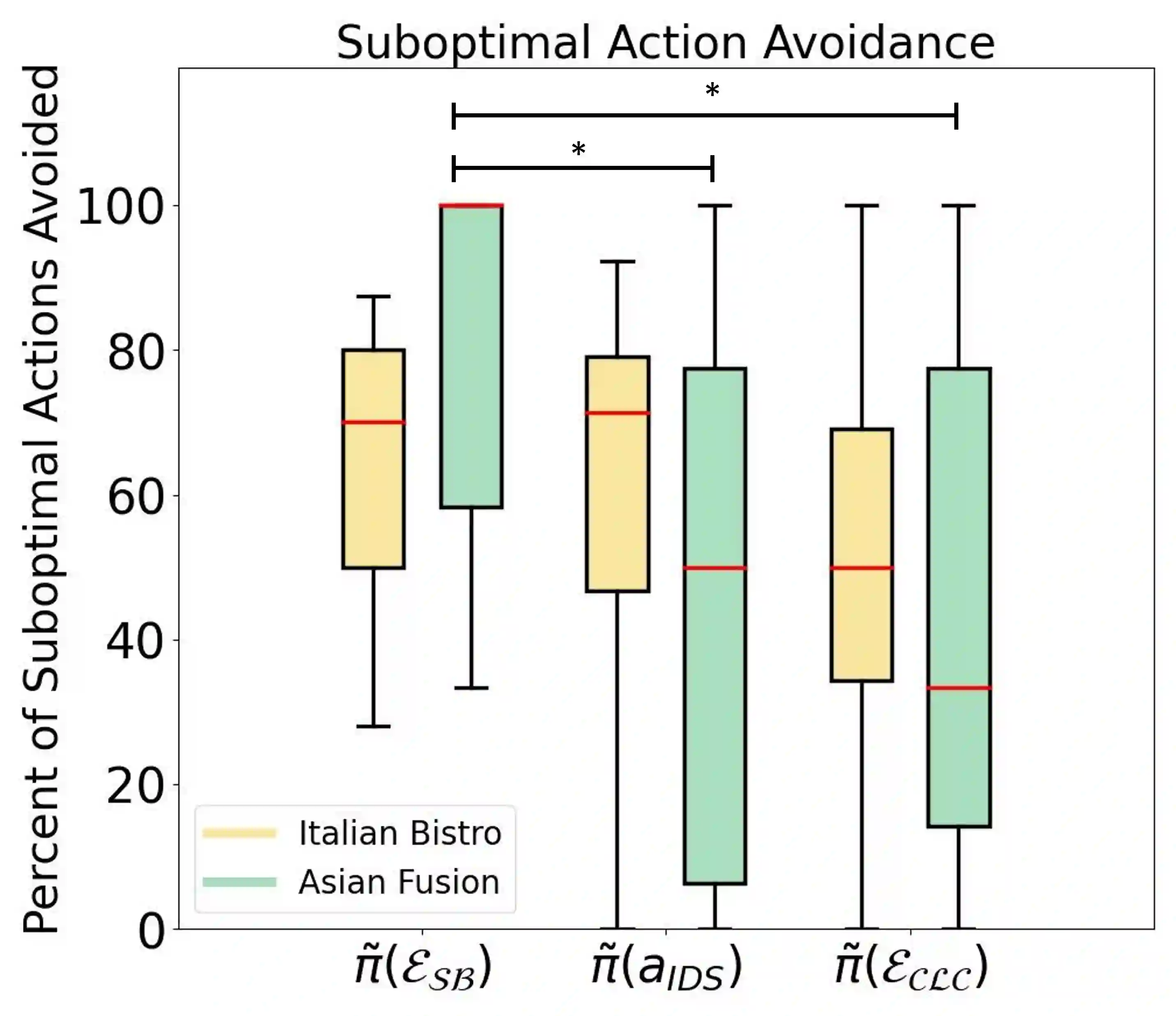
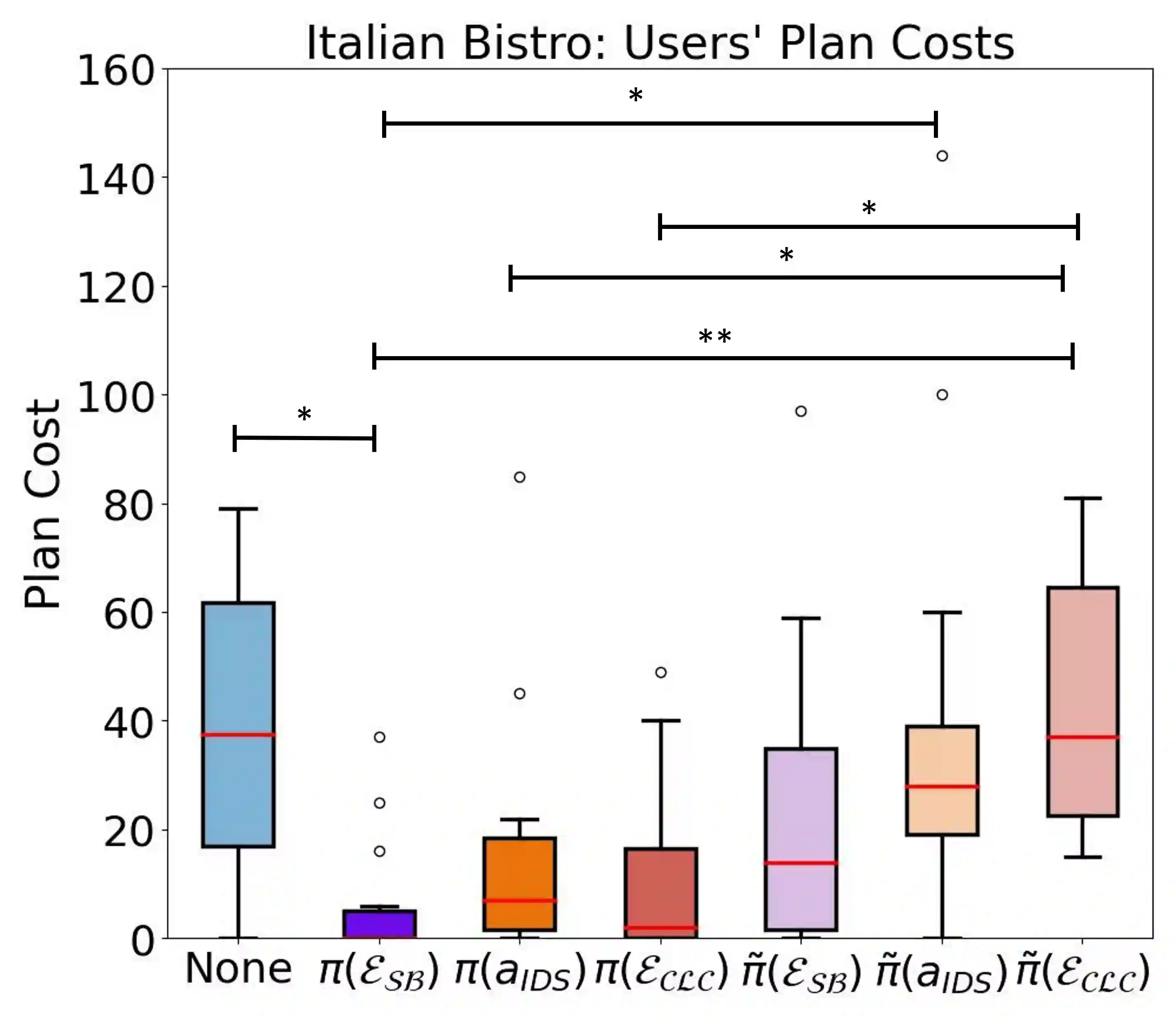
Intelligent decision support (IDS) systems leverage artificial intelligence techniques to generate recommendations that guide human users through the decision making phases of a task. However, a key challenge is that IDS systems are not perfect, and in complex real-world scenarios may produce incorrect output or fail to work altogether. The field of explainable AI planning (XAIP) has sought to develop techniques that make the decision making of sequential decision making AI systems more explainable to end-users. Critically, prior work in applying XAIP techniques to IDS systems has assumed that the plan being proposed by the planner is always optimal, and therefore the action or plan being recommended as decision support to the user is always correct. In this work, we examine novice user interactions with a non-robust IDS system -- one that occasionally recommends the wrong action, and one that may become unavailable after users have become accustomed to its guidance. We introduce a novel explanation type, subgoal-based explanations, for planning-based IDS systems, that supplements traditional IDS output with information about the subgoal toward which the recommended action would contribute. We demonstrate that subgoal-based explanations lead to improved user task performance, improve user ability to distinguish optimal and suboptimal IDS recommendations, are preferred by users, and enable more robust user performance in the case of IDS failure
翻译:智能决策支持系统利用人工智能技术生成建议,引导人类用户完成任务的决策阶段。然而,一个关键挑战在于此类系统并非完美无缺,在复杂的现实场景中可能产生错误输出或完全失效。可解释人工智能规划领域致力于开发技术,使序贯决策型人工智能系统的决策过程对最终用户更具可解释性。值得关注的是,现有将可解释人工智能规划技术应用于智能决策支持系统的研究均假设规划器提出的方案始终最优,因此推荐给用户的行动或计划必然正确。本研究考察了新手用户与非鲁棒智能决策支持系统的交互——该系统偶尔会推荐错误行动,且可能在用户习惯其指导后变得不可用。我们针对基于规划的智能决策支持系统提出了一种新型解释类型——子目标解释,在传统智能决策支持系统输出基础上补充了推荐行动所促进的子目标信息。实验证明,子目标解释能提升用户任务表现,增强用户区分最优与次优智能决策支持系统建议的能力,获得用户偏好,并在智能决策支持系统失效时维持更稳健的用户表现。




相关内容





 微信扫码咨询专知VIP会员