

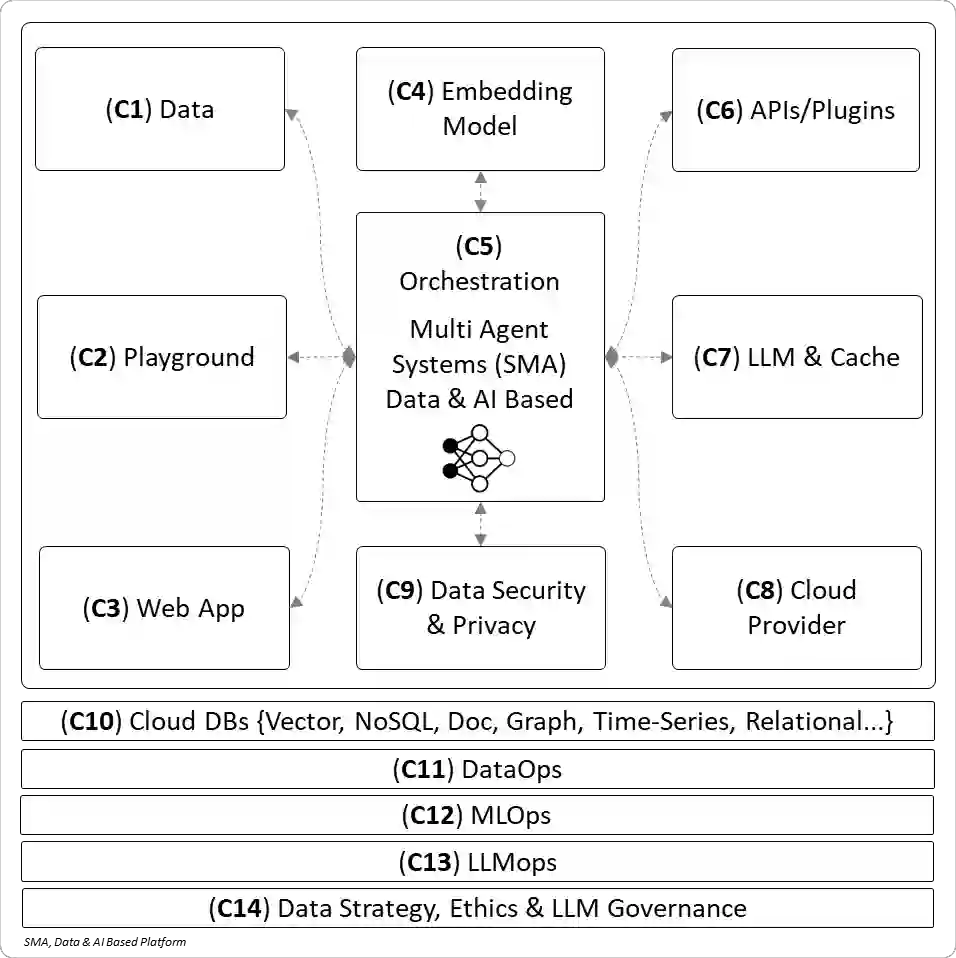
This article explores the dynamic influence of computational entities based on multi-agent systems theory (SMA) combined with large language models (LLM), which are characterized by their ability to simulate complex human interactions, as a possibility to revolutionize human user interaction from the use of specialized artificial agents to support everything from operational organizational processes to strategic decision making based on applied knowledge and human orchestration. Previous investigations reveal that there are limitations, particularly in the autonomous approach of artificial agents, especially when dealing with new challenges and pragmatic tasks such as inducing logical reasoning and problem solving. It is also considered that traditional techniques, such as the stimulation of chains of thoughts, require explicit human guidance. In our approach we employ agents developed from large language models (LLM), each with distinct prototyping that considers behavioral elements, driven by strategies that stimulate the generation of knowledge based on the use case proposed in the scenario (role-play) business, using a discussion approach between agents (guided conversation). We demonstrate the potential of developing agents useful for organizational strategies, based on multi-agent system theories (SMA) and innovative uses based on large language models (LLM based), offering a differentiated and adaptable experiment to different applications, complexities, domains, and capabilities from LLM.
翻译:本文探讨了基于多智能体系统理论(SMA)与大型语言模型(LLM)相结合的计算实体,其以模拟复杂人类互动的能力为特征,作为通过专业化人工智能体支持从运营组织流程到基于应用知识与人类编排的战略决策,从而彻底改变人机交互的可能性。既往研究表明,人工智能体在自主性方法上存在局限性,尤其是在应对新挑战与逻辑推理及问题解决等实践性任务时。同时,传统技术如思维链刺激法需要明确的人类引导。我们的方法采用基于大型语言模型(LLM)开发的智能体,每个智能体具有考量行为要素的独特原型设计,由基于业务用例场景(角色扮演)刺激知识生成的策略驱动,并采用智能体间的讨论方法(引导式对话)。我们展示了基于多智能体系统理论(SMA)与大型语言模型创新应用(基于LLM)开发适用于组织策略的智能体的潜力,提供了一个可适应不同应用场景、复杂度、领域及LLM能力的差异化实验方案。





相关内容





 微信扫码咨询专知VIP会员