

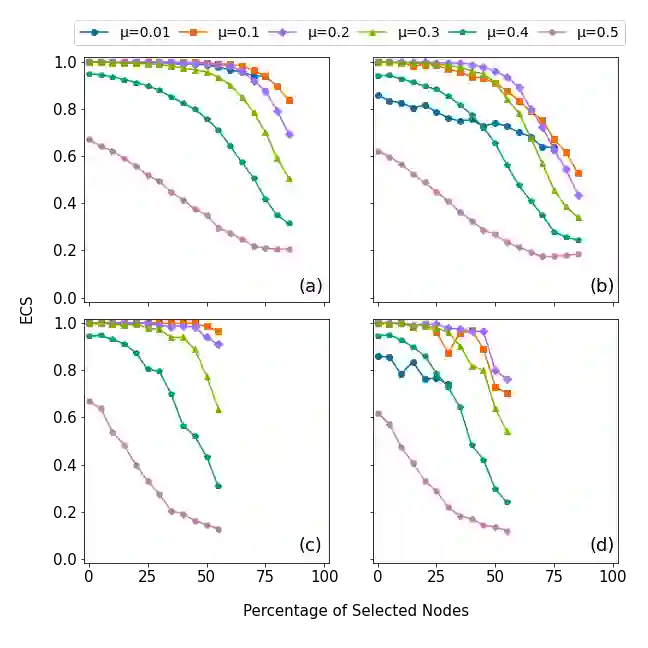
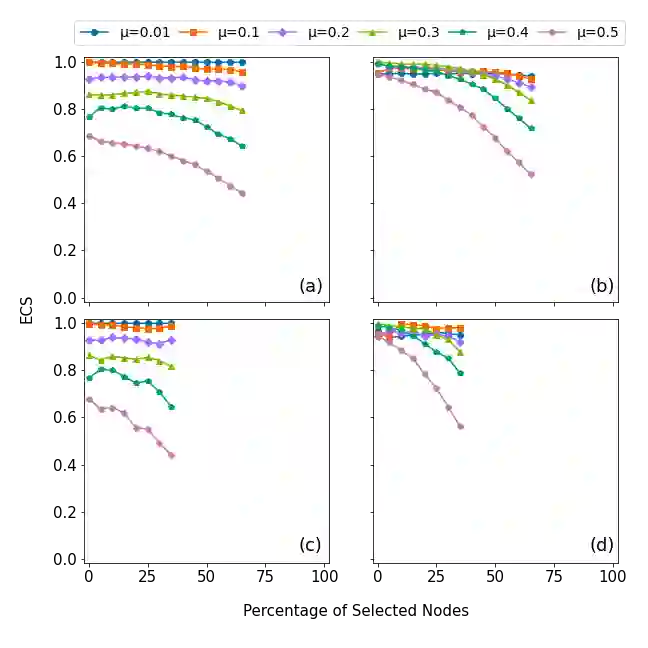
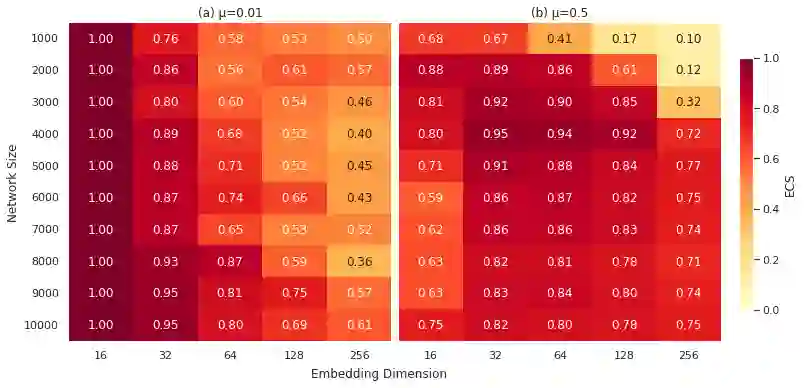
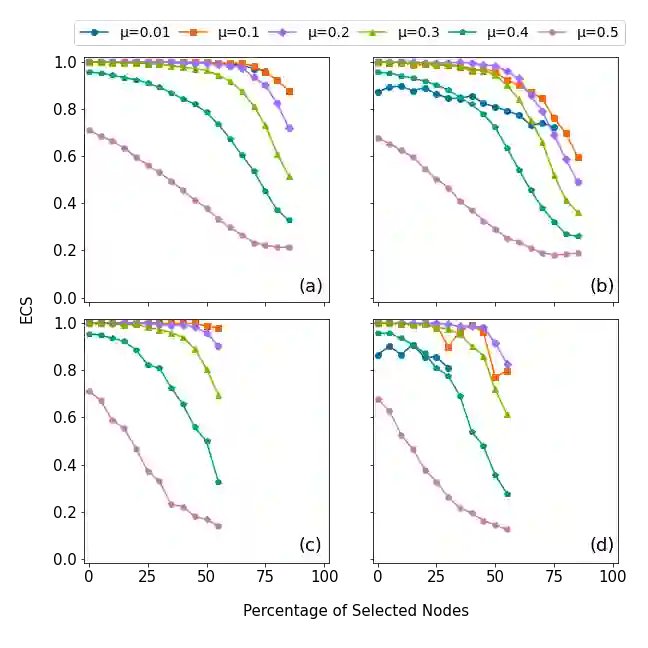
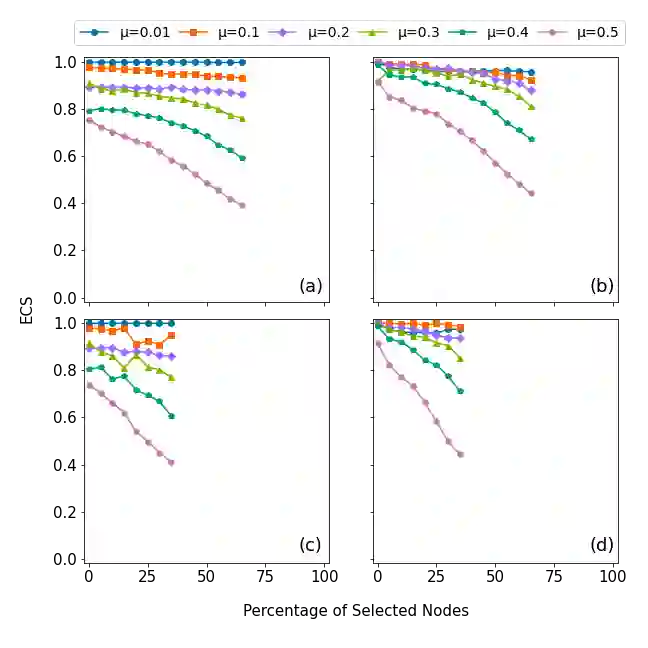
This study investigates the robustness of graph embedding methods for community detection in the face of network perturbations, specifically edge deletions. Graph embedding techniques, which represent nodes as low-dimensional vectors, are widely used for various graph machine learning tasks due to their ability to capture structural properties of networks effectively. However, the impact of perturbations on the performance of these methods remains relatively understudied. The research considers state-of-the-art graph embedding methods from two families: matrix factorization (e.g., LE, LLE, HOPE, M-NMF) and random walk-based (e.g., DeepWalk, LINE, node2vec). Through experiments conducted on both synthetic and real-world networks, the study reveals varying degrees of robustness within each family of graph embedding methods. The robustness is found to be influenced by factors such as network size, initial community partition strength, and the type of perturbation. Notably, node2vec and LLE consistently demonstrate higher robustness for community detection across different scenarios, including networks with degree and community size heterogeneity. These findings highlight the importance of selecting an appropriate graph embedding method based on the specific characteristics of the network and the task at hand, particularly in scenarios where robustness to perturbations is crucial.
翻译:本研究探讨了图嵌入方法在面临网络扰动(特别是边删除)时用于社区检测的鲁棒性。图嵌入技术将节点表示为低维向量,因其能够有效捕捉网络的结构属性而被广泛应用于各类图机器学习任务。然而,扰动对这些方法性能的影响仍相对缺乏研究。本研究考虑了两类最先进的图嵌入方法:矩阵分解类(如LE、LLE、HOPE、M-NMF)和随机游走类(如DeepWalk、LINE、node2vec)。通过在合成网络和真实网络上的实验,研究揭示了每类图嵌入方法内部存在不同程度的鲁棒性。鲁棒性受网络规模、初始社区划分强度及扰动类型等因素的影响。值得注意的是,node2vec和LLE在不同场景下(包括具有度异质性和社区规模异质性的网络中)始终展现出更高的社区检测鲁棒性。这些发现凸显了根据网络具体特征和任务需求选择合适的图嵌入方法的重要性,尤其是在需要应对扰动鲁棒性的关键场景中。




相关内容




 微信扫码咨询专知VIP会员