

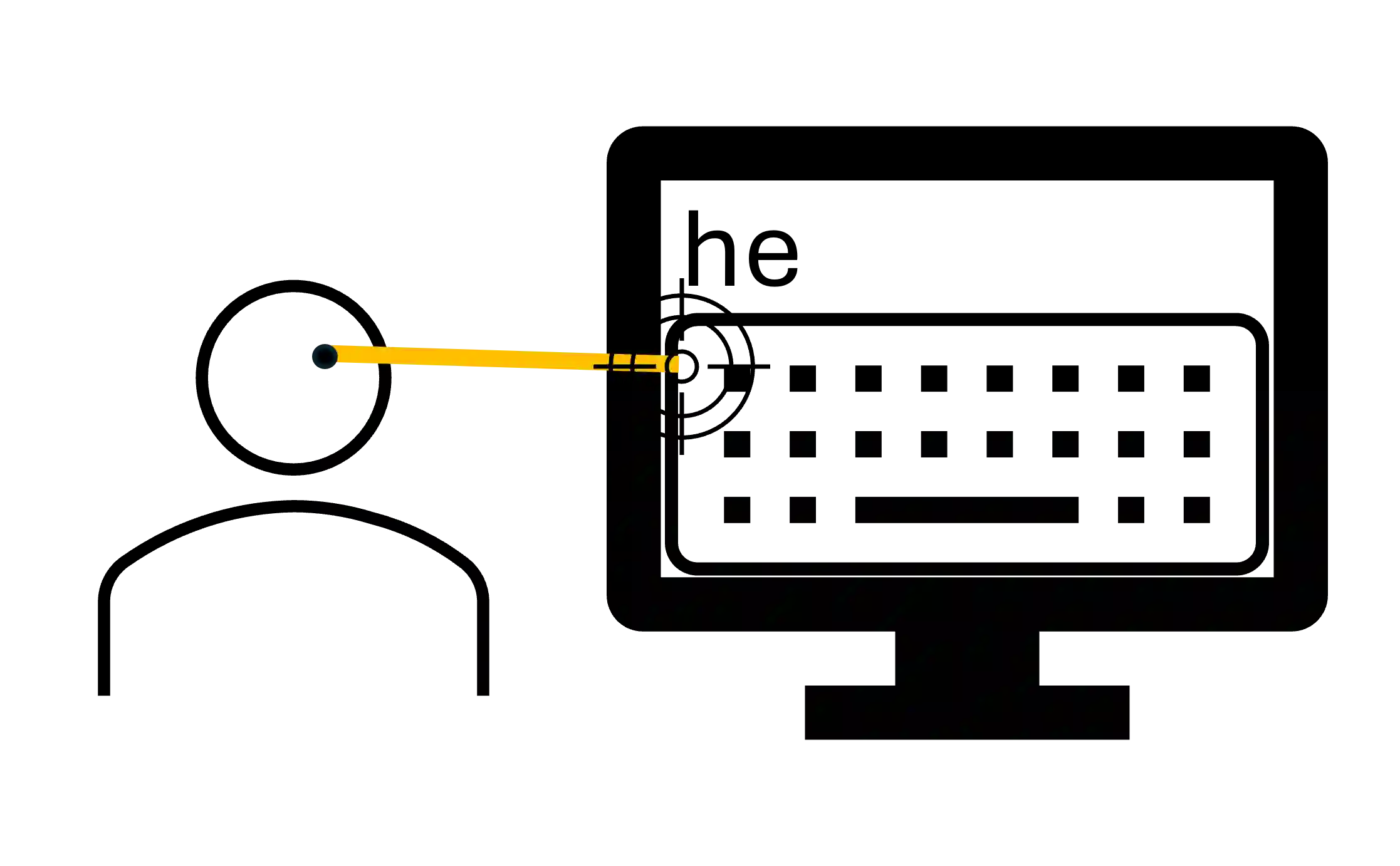
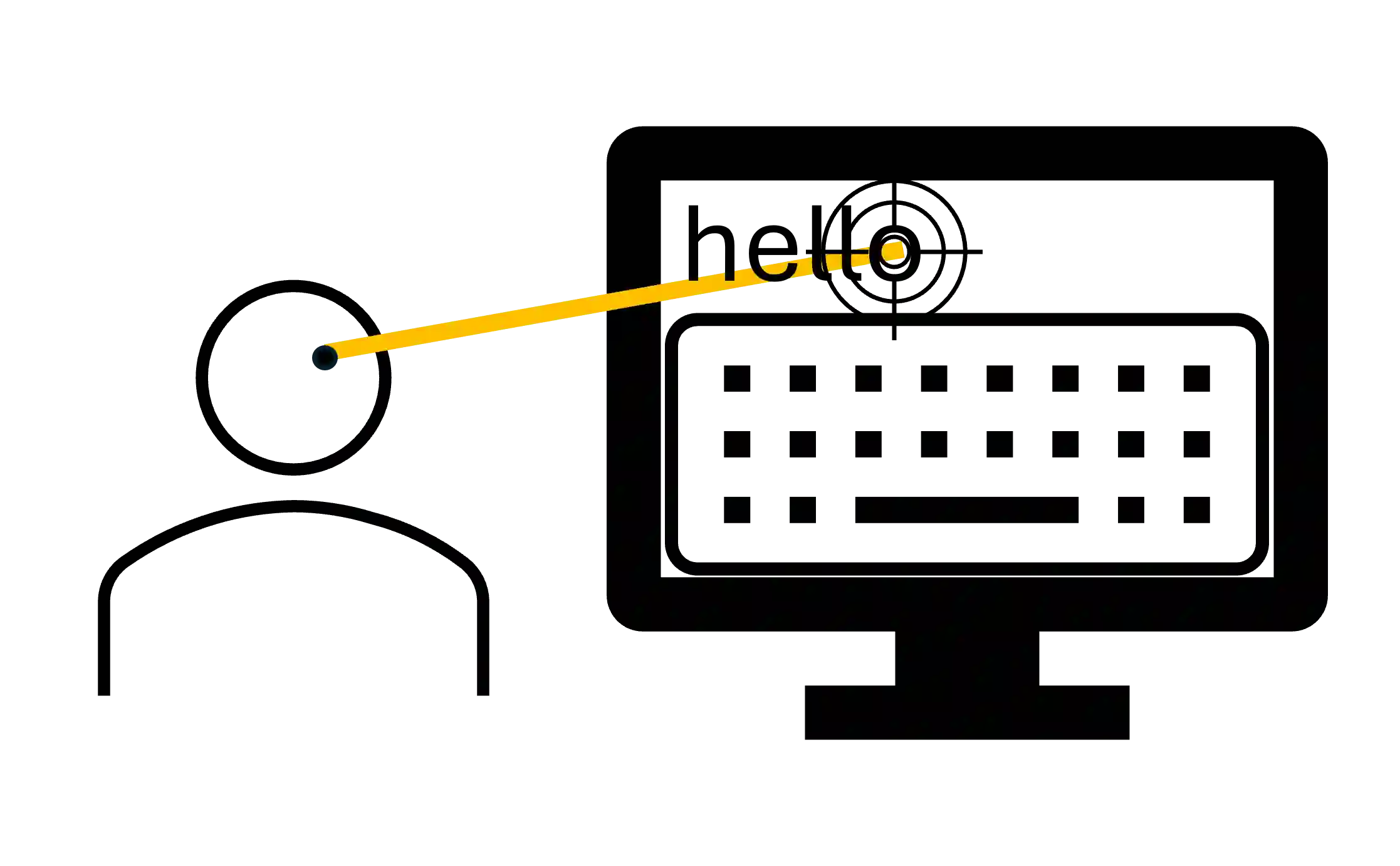
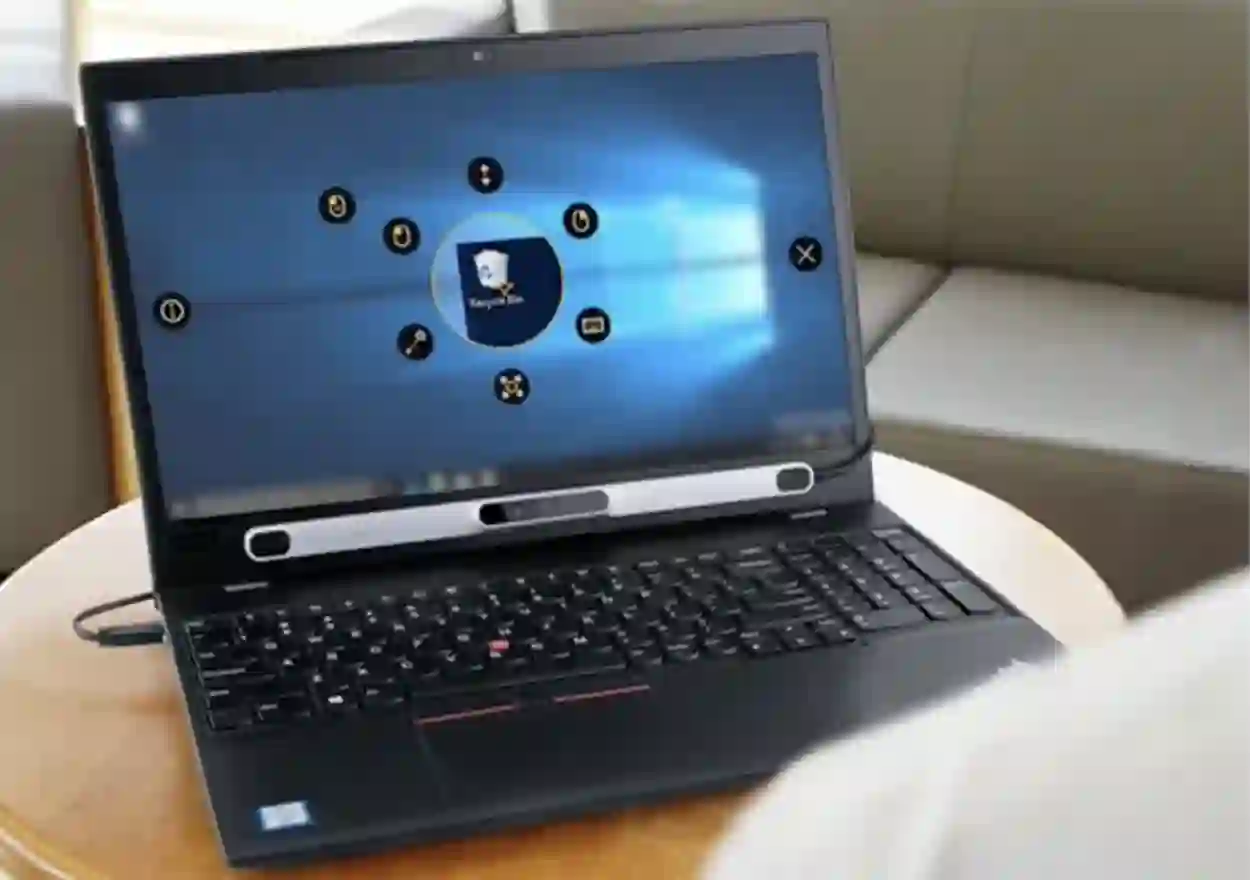
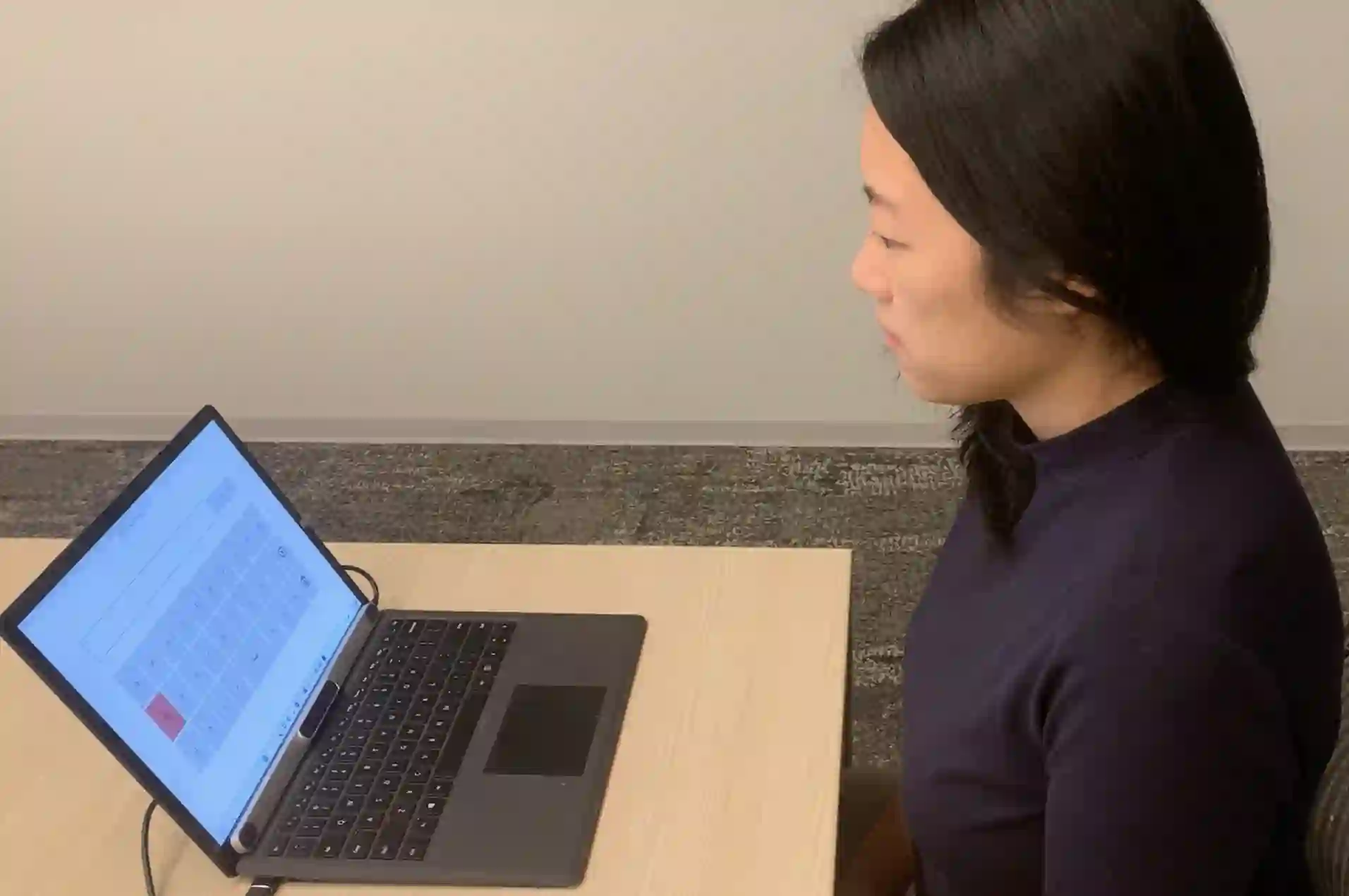
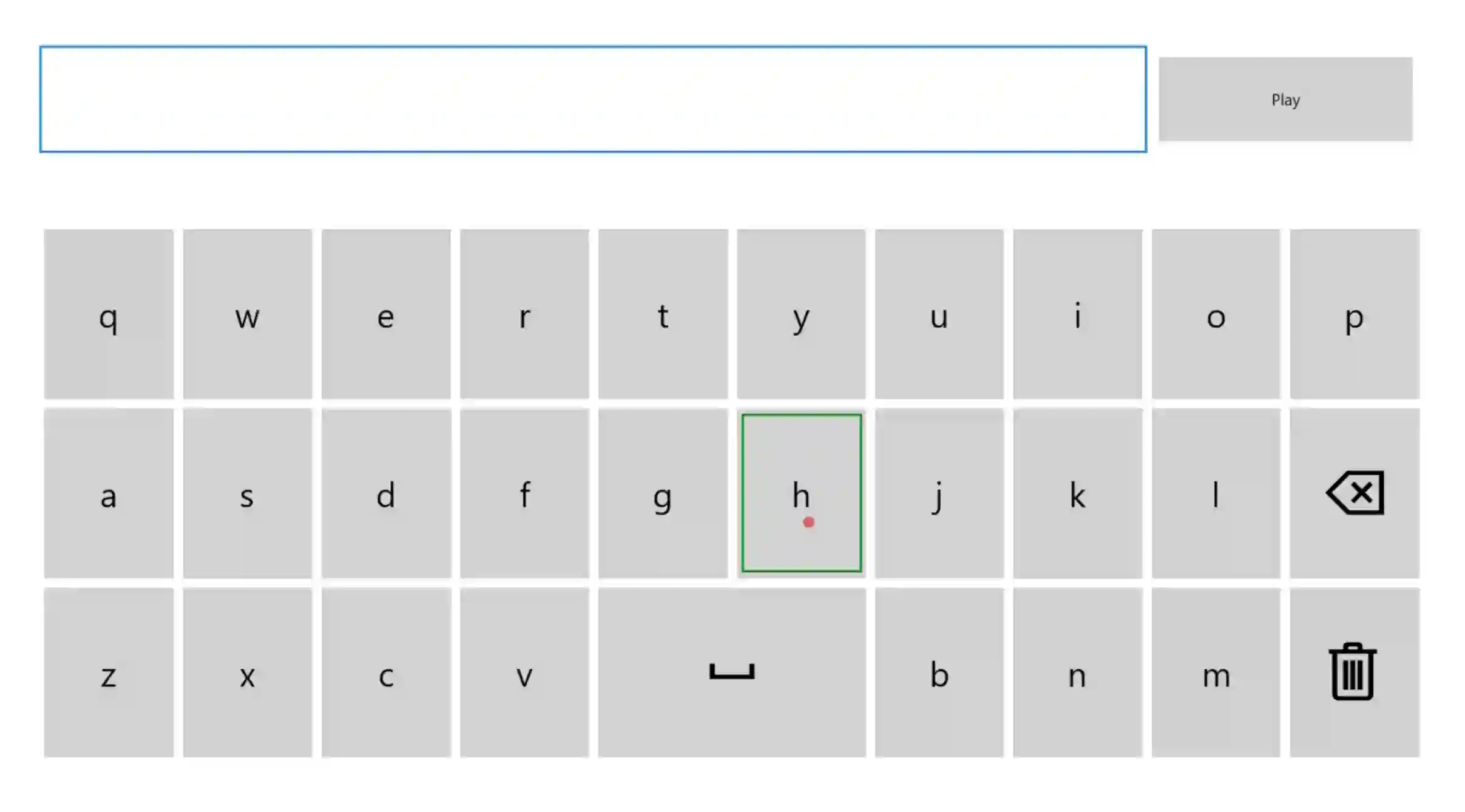
Gaze tracking devices have the potential to greatly expand interactivity, yet miscalibration remains a significant barrier to use. As devices miscalibrate, people tend to compensate by intentionally offsetting their gaze, which makes detecting miscalibration from eye signals difficult. To help address this problem, we propose a novel approach to seamless calibration based on the insight that the system's model of eye gaze can be updated during reading (user does not compensate) to improve calibration for typing (user might compensate). To explore this approach, we built an auto-calibrating gaze typing prototype called EyeO, ran a user study with 20 participants, and conducted a semi-structured interview with 6 ALS community stakeholders. Our user study results suggest that seamless autocalibration can significantly improve typing efficiency and user experience. Findings from the semi-structured interview validate the need for autocalibration, and shed light on the prototype's potential usefulness, desired algorithmic and design improvements for users.
翻译:眼球追踪设备有潜力极大地扩展交互性,然而校准误差仍是其使用中的重要障碍。当设备发生校准偏差时,用户往往会通过有意偏移注视来补偿,这使得从眼动信号中检测校准偏差变得困难。为解决这一问题,我们提出了一种基于以下洞察的无缝校准新方法:系统可在阅读过程中(用户未进行补偿时)更新眼球注视模型,从而改善打字场景(用户可能进行补偿)的校准效果。为探索该方法,我们构建了名为EyeO的自动校准注视打字原型系统,开展了20名参与者的人机交互实验,并对6名ALS社群利益相关者进行了半结构化访谈。实验结果表明,无缝自动校准能显著提升打字效率与用户体验。半结构化访谈的发现验证了自动校准的必要性,揭示了该原型的潜在实用性,并为用户所需的算法改进与设计优化提供了启示。




相关内容



 微信扫码咨询专知VIP会员