

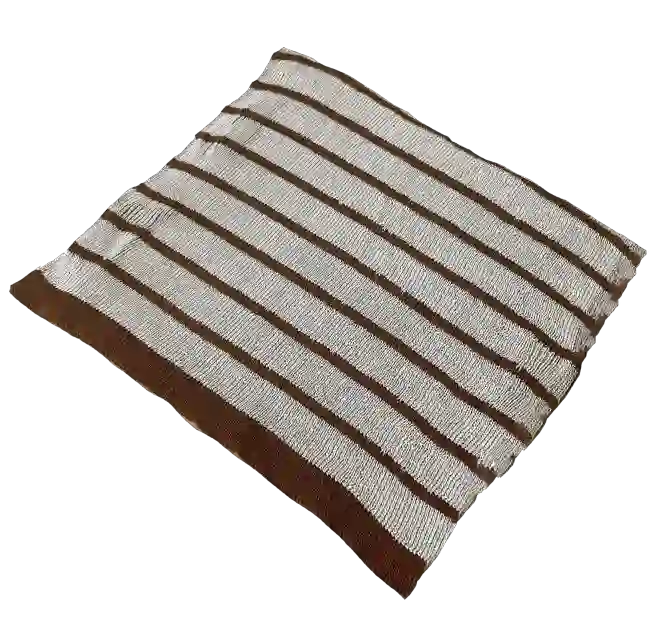
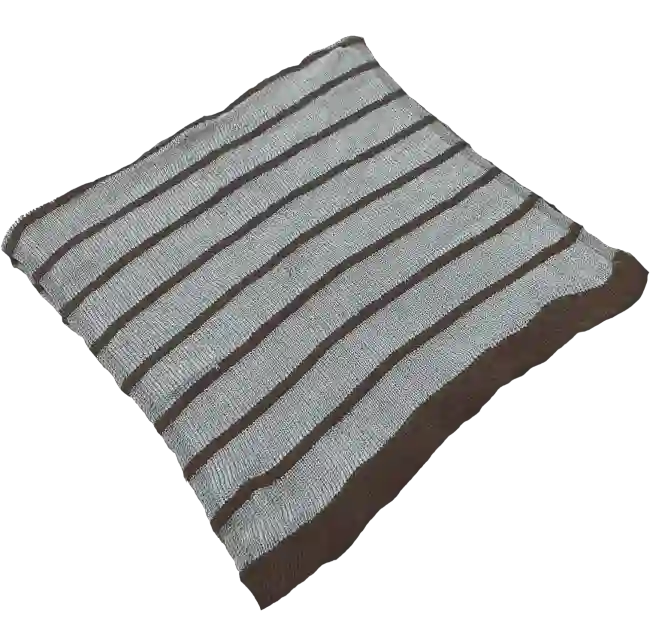
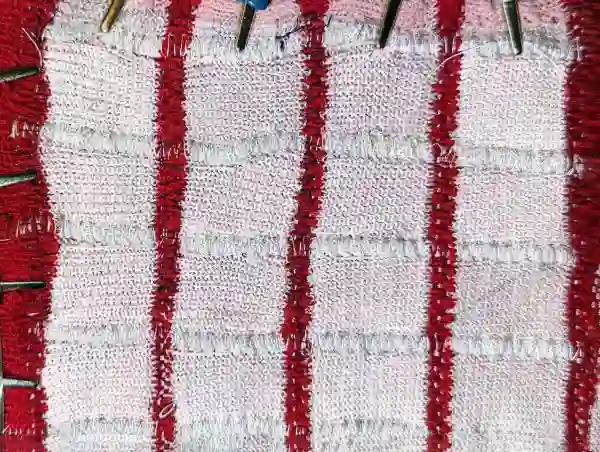
Tactile and textile skin technologies have become increasingly important for enhancing human-robot interaction and allowing robots to adapt to different environments. Despite notable advancements, there are ongoing challenges in skin signal processing, particularly in achieving both accuracy and speed in dynamic touch sensing. This paper introduces a new framework that poses the touch sensing problem as an estimation problem of resistive sensory arrays. Utilizing a Regularized Least Squares objective function which estimates the resistance distribution of the skin. We enhance the touch sensing accuracy and mitigate the ghosting effects, where false or misleading touches may be registered. Furthermore, our study presents a streamlined skin design that simplifies manufacturing processes without sacrificing performance. Experimental outcomes substantiate the effectiveness of our method, showing 26.9% improvement in multi-touch force-sensing accuracy for the tactile skin.
翻译:触觉与纺织皮肤技术在增强人机交互及使机器人适应不同环境方面日益重要。尽管取得了显著进展,但皮肤信号处理仍面临挑战,特别是在动态触觉传感中实现精度与速度的平衡。本文提出一种新框架,将触觉传感问题转化为电阻传感阵列的估计问题。通过利用正则化最小二乘目标函数估计皮肤的电阻分布,我们提升了触觉传感精度并减少了虚像效应(即可能记录到错误或误导性触摸的现象)。此外,本研究设计了一种简化的皮肤结构,在不牺牲性能的前提下简化了制造工艺。实验结果证实了该方法的有效性,触觉皮肤的多点力传感精度提升了26.9%。






相关内容





 微信扫码咨询专知VIP会员