

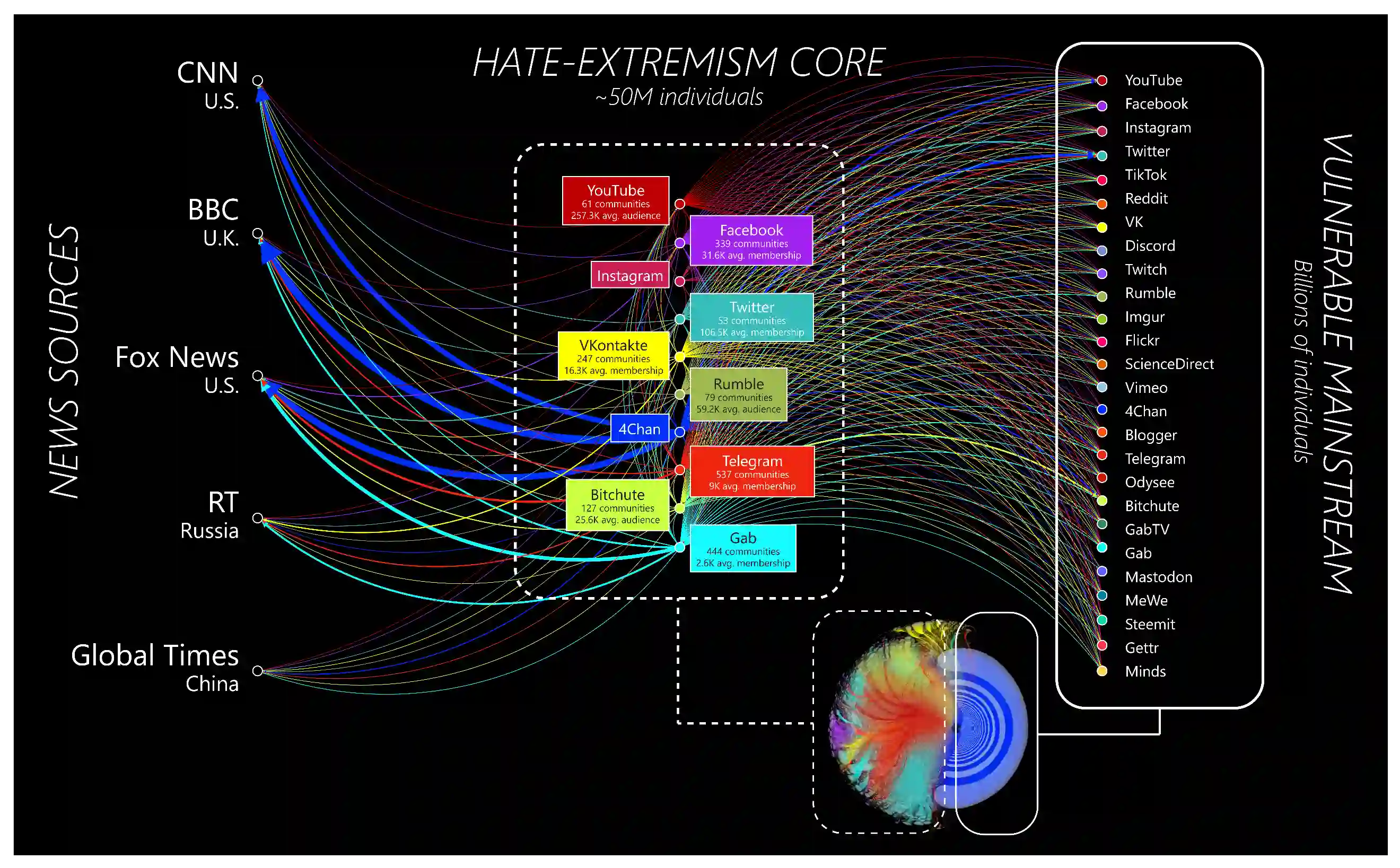
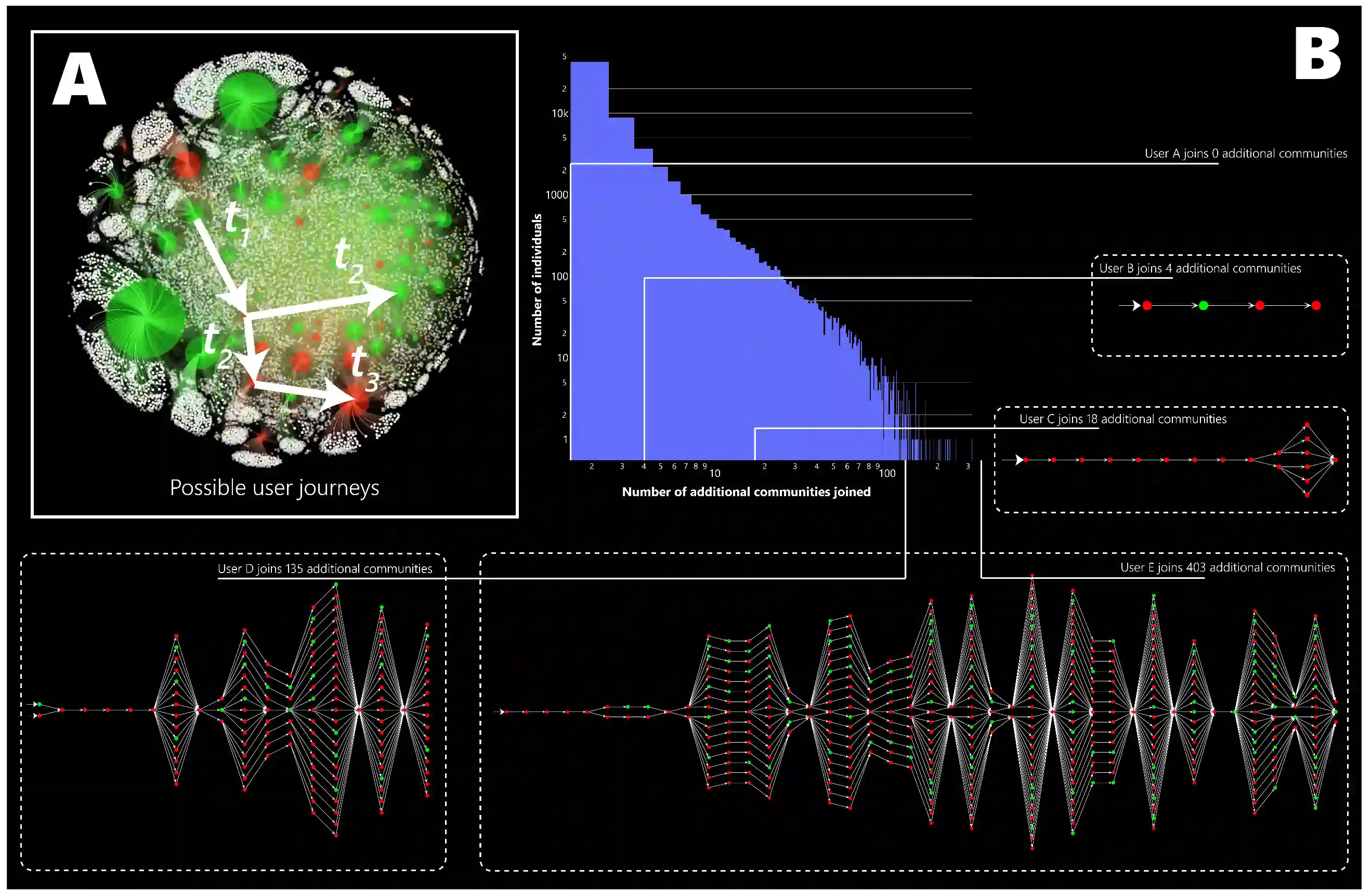
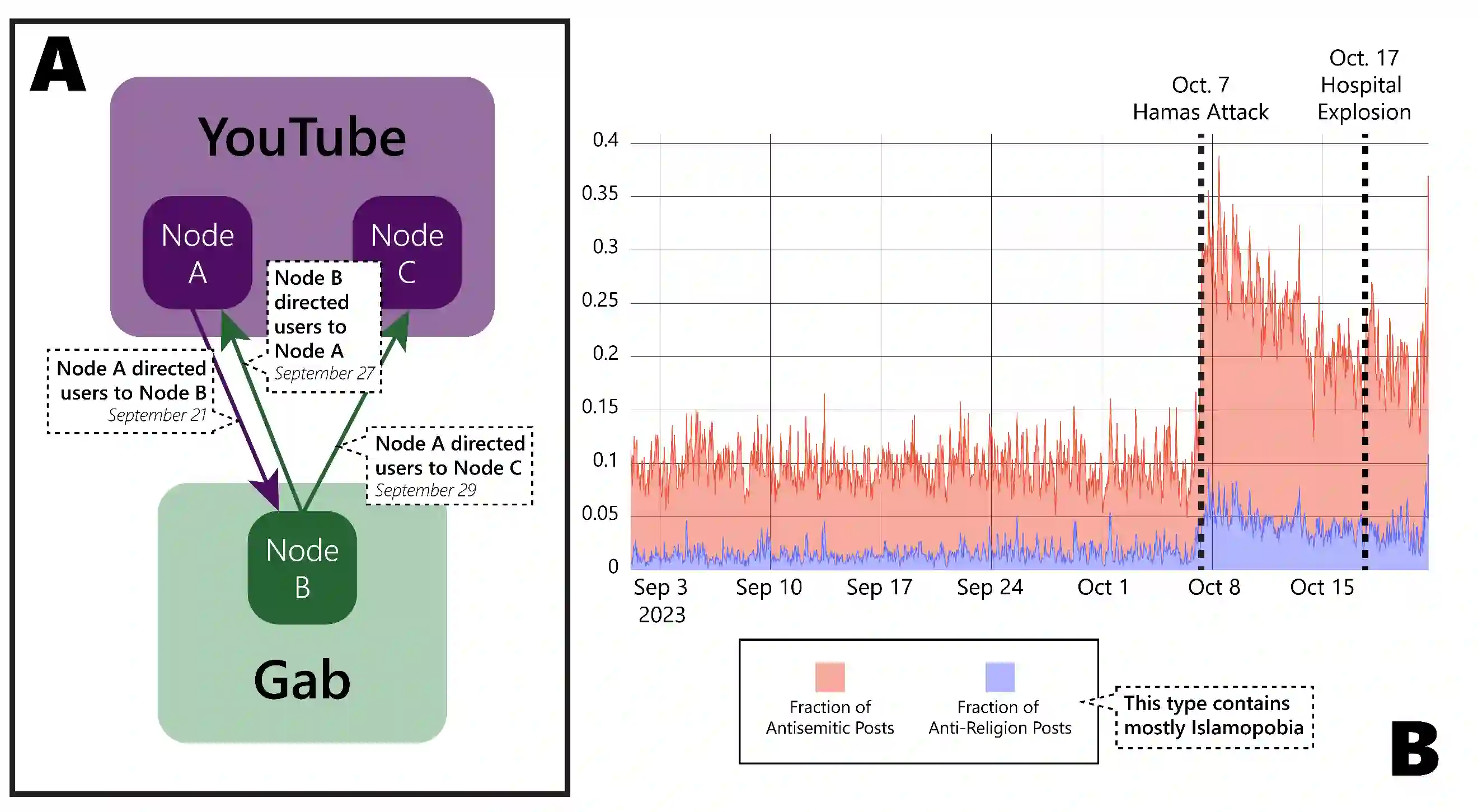
Analyzing a unique real-time dataset from across 26 social media platforms, we show why the hate-extremism ecosystem now has unprecedented reach and recruitment paths online; why it is now able to exert instant and massive global mainstream influence, e.g. following the October 7 Hamas attack; why it will become increasingly robust in 2024 and beyond; why recent E.U. laws fall short because the effect of many smaller, lesser-known platforms outstrips larger ones like Twitter; and why law enforcement should expect increasingly hard-to-understand paths ahead of offline mass attacks. This new picture of online hate and extremism challenges current notions of a niche activity at the 'fringe' of the Internet driven by specific news sources. But it also suggests a new opportunity for system-wide control akin to adaptive vs. extinction treatments for cancer.
翻译:通过分析横跨26个社交媒体平台的独特实时数据集,我们揭示了以下问题:仇恨-极端主义生态系统为何能在网上获得前所未有的触达范围与招募路径;为何能在10月7日哈马斯袭击等事件后立即产生大规模全球主流影响力;为何该生态系统在2024年及未来将日益增强;为何近期欧盟立法存在不足,因为众多规模较小、知名度较低的平台产生的效应超过了推特等大型平台;以及执法部门应预见未来线下大规模袭击前将出现日益难以理解的行动路径。这种关于网络仇恨与极端主义的新图景,挑战了当前将其视为由特定新闻来源驱动的“网络边缘”小众活动的观念,但也提出了系统级管控的新机遇,类似于癌症治疗中的适应性治疗与根治性治疗之辨。




相关内容




 微信扫码咨询专知VIP会员