

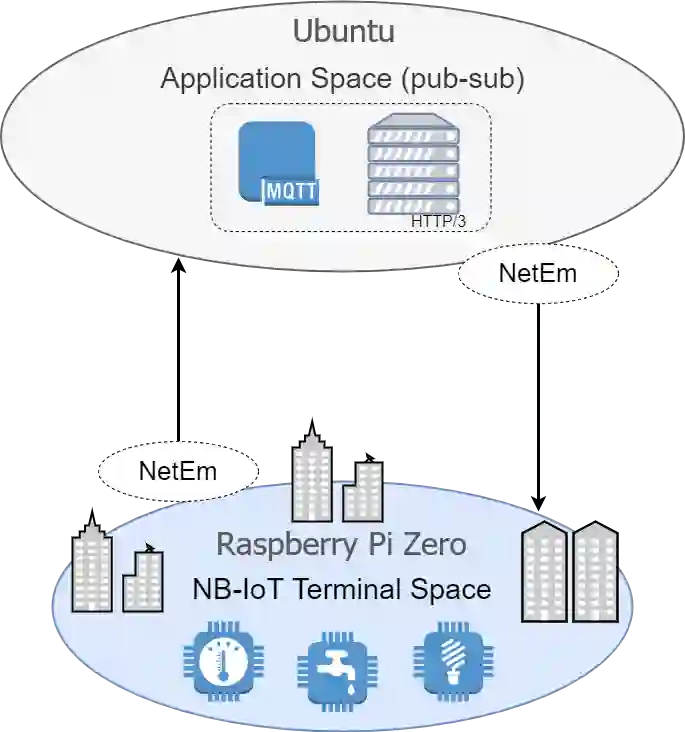
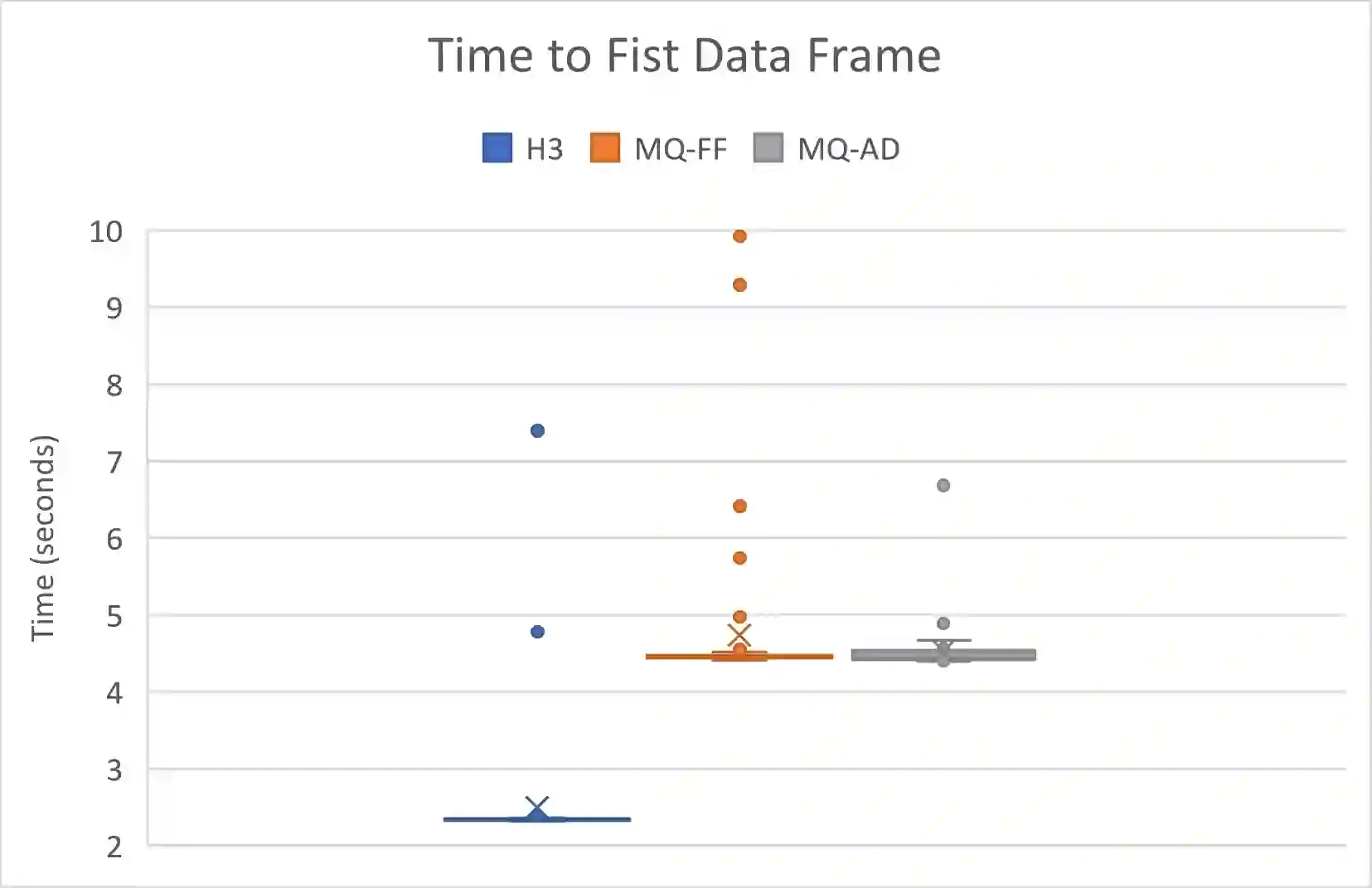
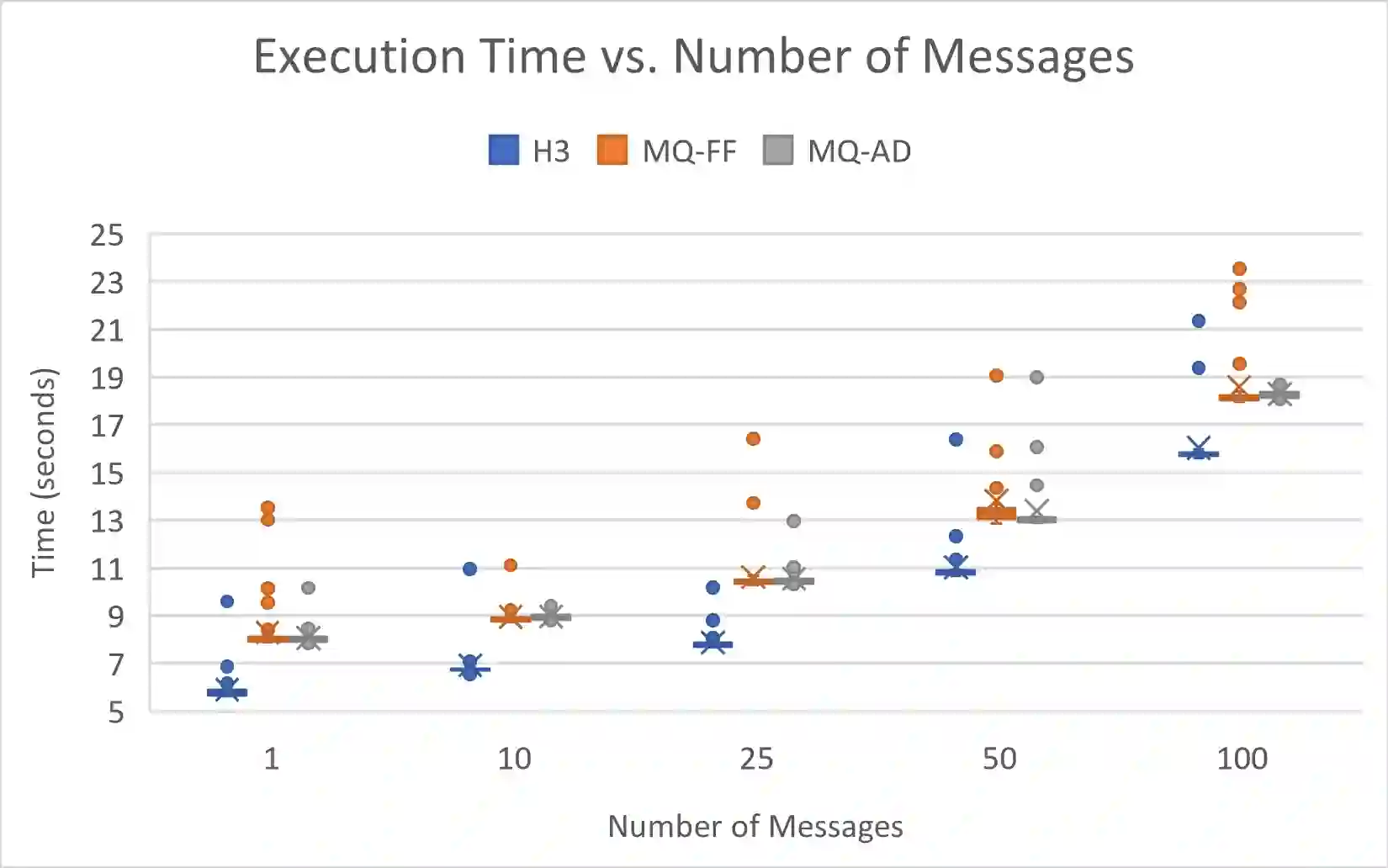
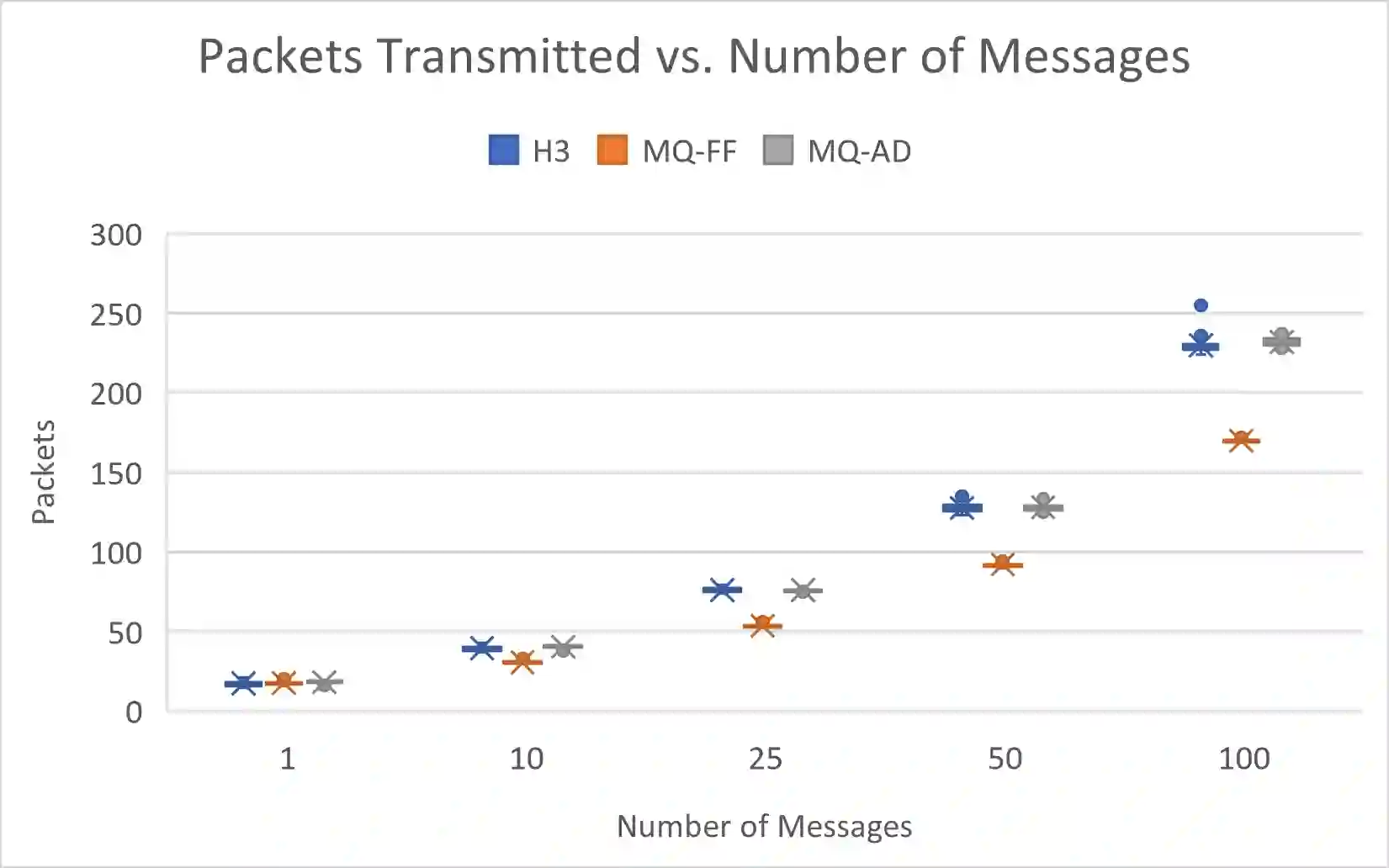
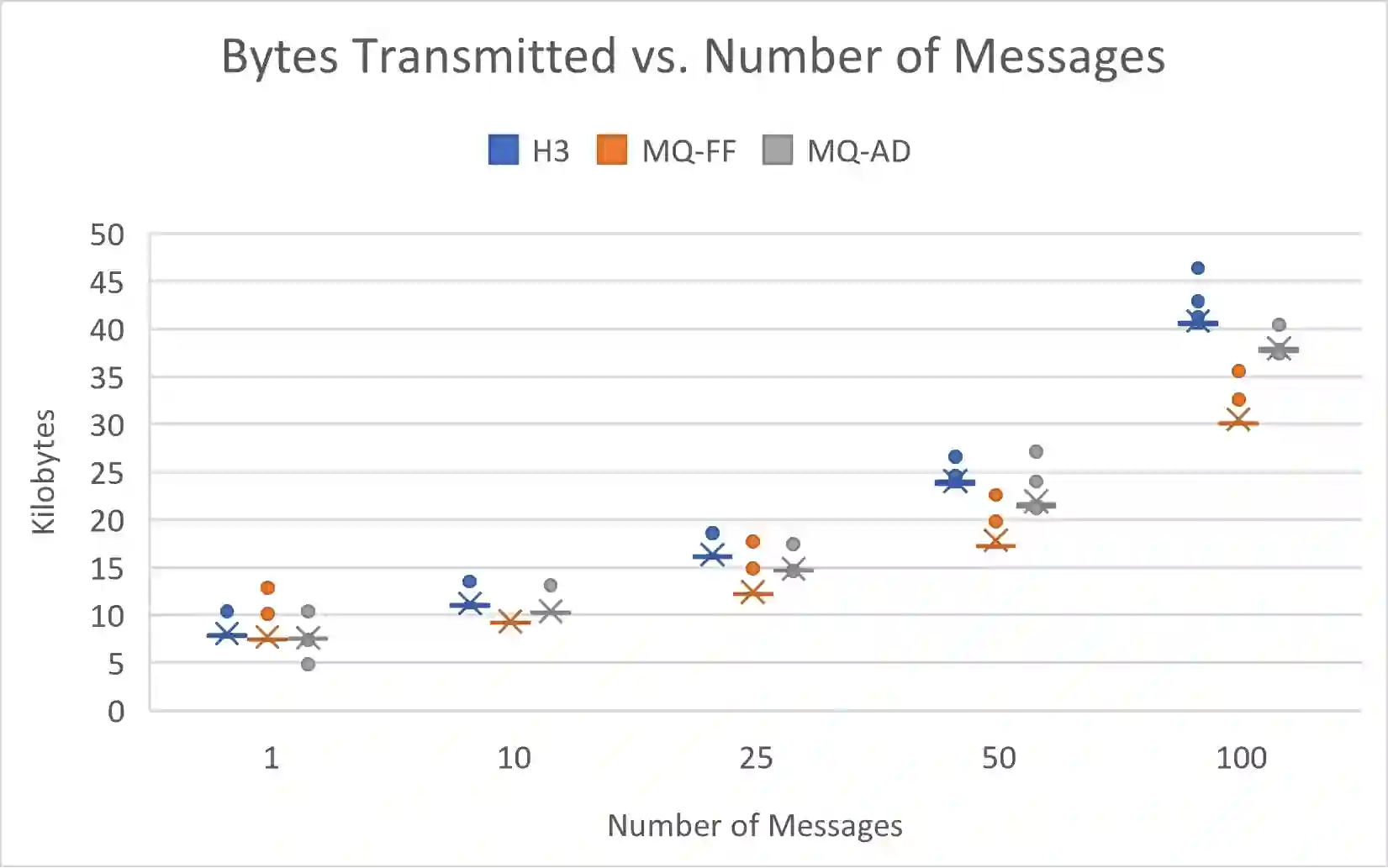
Because of the constrained nature of devices and networks in the Internet of Things (IoT), secure yet lightweight communication protocols are paramount. QUIC is an emerging contender in this arena and it provides several benefits over TCP. Tuning of TCP has been recently studied for IoT and guidelines are provided in RFC 9006. The same is not true of QUIC -- a much newer protocol with a learning curve. The aim of this paper is to provide empirically based insights into parameterization considerations of QUIC for IoT. To this end, we rigorously tested two modes of MQTT-over-QUIC as well as a pure-HTTP/3 publish-subscribe architecture (of our design) under various conditions. A suite of 8 metrics relating to device and network overhead and performance was employed in addition to root cause analysis on a hardware testbed. We identified a number of tuning considerations and concluded that HTTP/3 was more preferable for reliable time-sensitive applications.
翻译:由于物联网中设备和网络的受限特性,安全且轻量级的通信协议至关重要。QUIC是该领域的新兴竞争者,相较于TCP具备多项优势。针对IoT场景的TCP调优已有相关研究,RFC 9006提供了相应指导准则,但作为更新型且存在学习曲线的协议,QUIC的调优尚缺乏同类研究。本文旨在为IoT场景下QUIC的参数配置提供基于实证的见解。为此,我们通过硬件测试平台,在不同条件下对MQTT-over-QUIC的两种模式及(自主设计的)纯HTTP/3发布-订阅架构进行了严格测试,并采用涵盖设备与网络开销及性能的8项指标进行根因分析。我们识别了多项调优考量因素,并得出结论:对于可靠性要求较高的时延敏感型应用,HTTP/3更具优势。




相关内容




 微信扫码咨询专知VIP会员