

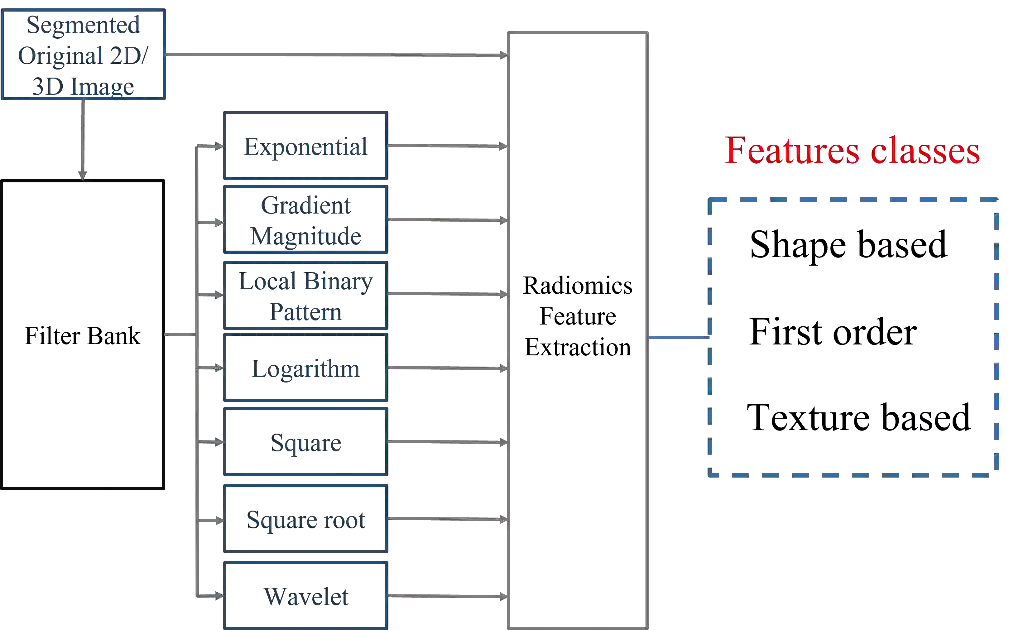
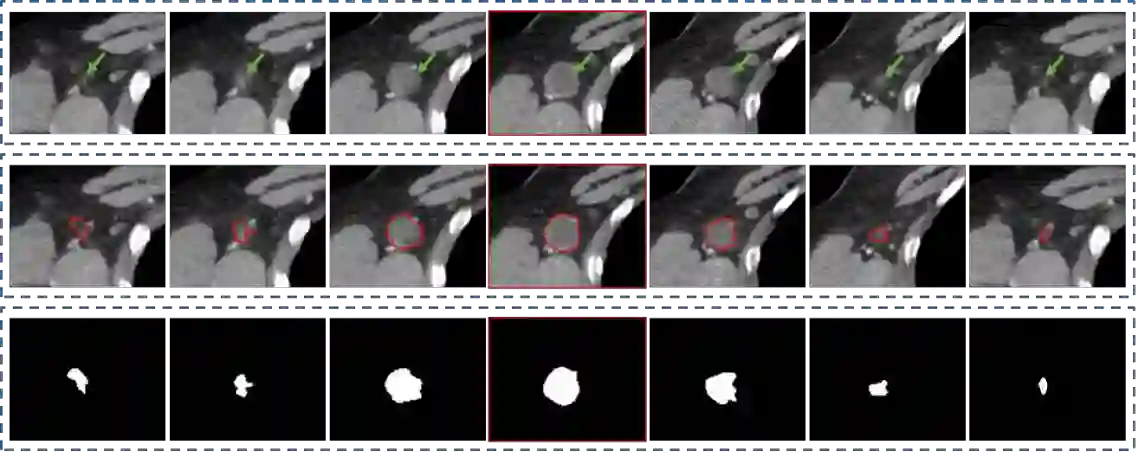
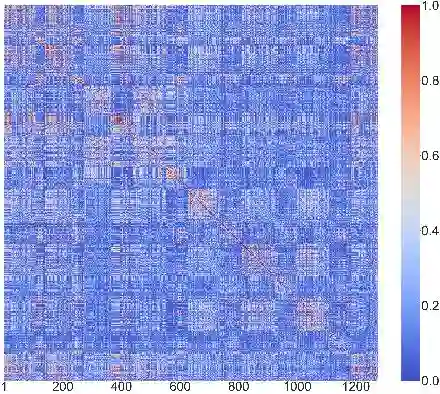
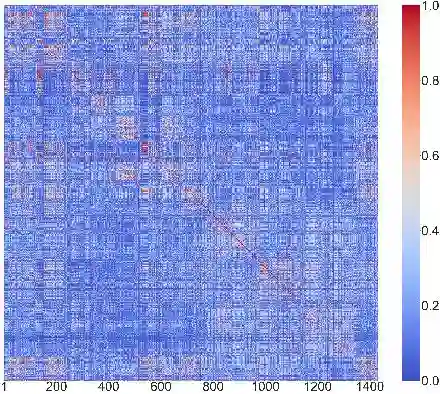
2D and 3D tumor features are widely used in a variety of medical image analysis tasks. However, for chemotherapy response prediction, the effectiveness between different kinds of 2D and 3D features are not comprehensively assessed, especially in ovarian cancer-related applications. This investigation aims to accomplish such a comprehensive evaluation. For this purpose, CT images were collected retrospectively from 188 advanced-stage ovarian cancer patients. All the metastatic tumors that occurred in each patient were segmented and then processed by a set of six filters. Next, three categories of features, namely geometric, density, and texture features, were calculated from both the filtered results and the original segmented tumors, generating a total of 1595 and 1403 features for the 3D and 2D tumors, respectively. In addition to the conventional single-slice 2D and full-volume 3D tumor features, we also computed the incomplete-3D tumor features, which were achieved by sequentially adding one individual CT slice and calculating the corresponding features. Support vector machine (SVM) based prediction models were developed and optimized for each feature set. 5-fold cross-validation was used to assess the performance of each individual model. The results show that the 2D feature-based model achieved an AUC (area under the ROC curve [receiver operating characteristic]) of 0.84+-0.02. When adding more slices, the AUC first increased to reach the maximum and then gradually decreased to 0.86+-0.02. The maximum AUC was yielded when adding two adjacent slices, with a value of 0.91+-0.01. This initial result provides meaningful information for optimizing machine learning-based decision-making support tools in the future.
翻译:2D和3D肿瘤特征广泛用于各类医学图像分析任务。然而,在化疗反应预测中,不同2D和3D特征的有效性尚未得到全面评估,尤其是针对卵巢癌相关应用。本研究旨在完成此类综合评估。为此,我们回顾性收集了188例晚期卵巢癌患者的CT图像。对每例患者出现的所有转移性肿瘤进行分割,然后经过六组滤波器处理。随后,从滤波结果和原始分割肿瘤中计算三类特征(几何特征、密度特征和纹理特征),分别生成1595个3D肿瘤特征和1403个2D肿瘤特征。除常规的单切片2D和全容积3D肿瘤特征外,我们还计算了非完整3D肿瘤特征——通过逐一添加单个CT切片并计算相应特征实现。针对每个特征集,开发并优化了基于支持向量机(SVM)的预测模型。采用5折交叉验证评估各模型性能。结果表明:基于2D特征的模型AUC(受试者工作特征曲线下面积)达到0.84±0.02。随着切片增加,AUC先升至最大值,随后逐渐降至0.86±0.02。当添加2个相邻切片时取得最大AUC值0.91±0.01。这一初步结果为未来优化基于机器学习的决策支持工具提供了重要参考信息。




相关内容


 微信扫码咨询专知VIP会员