

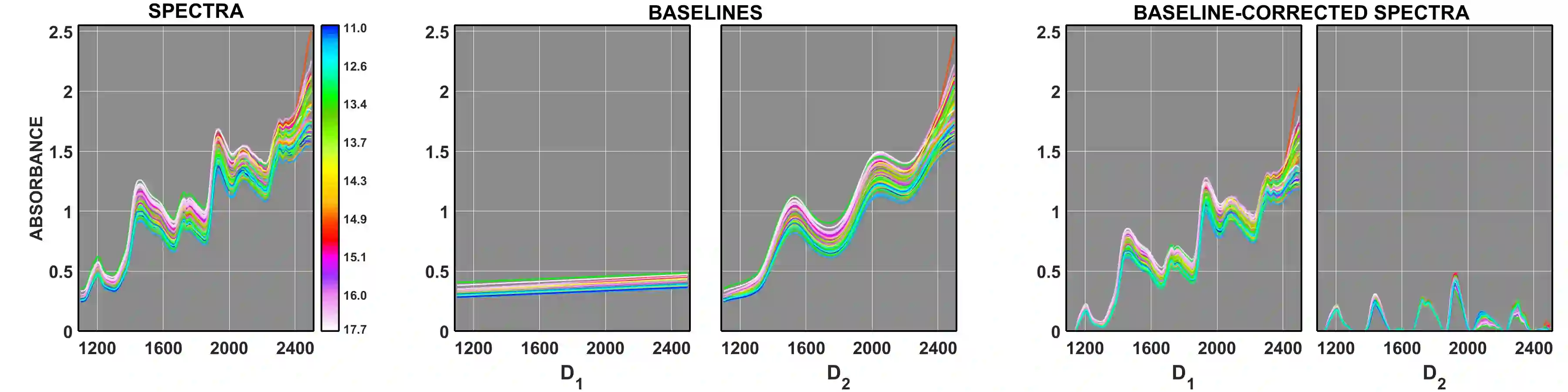
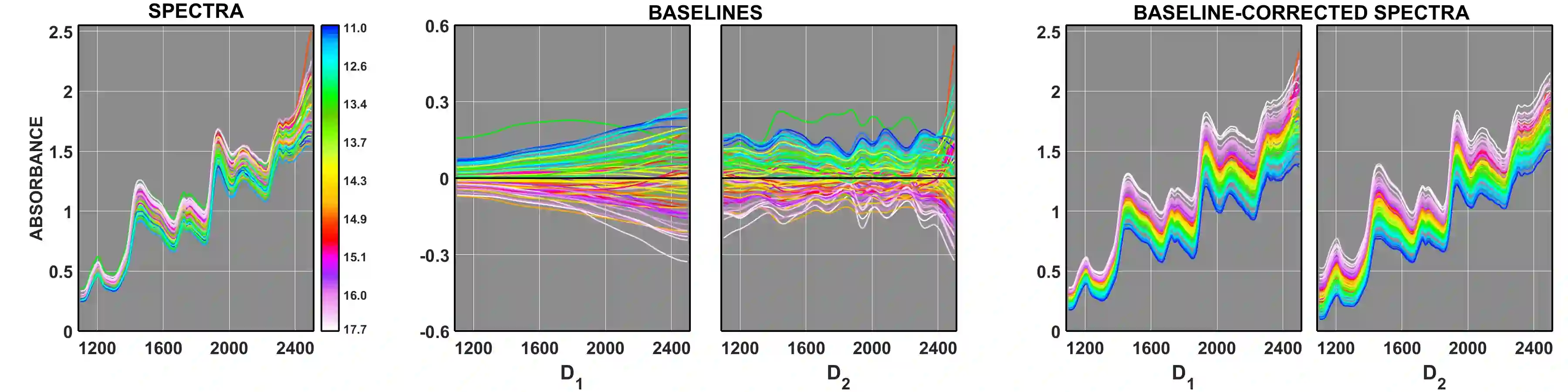
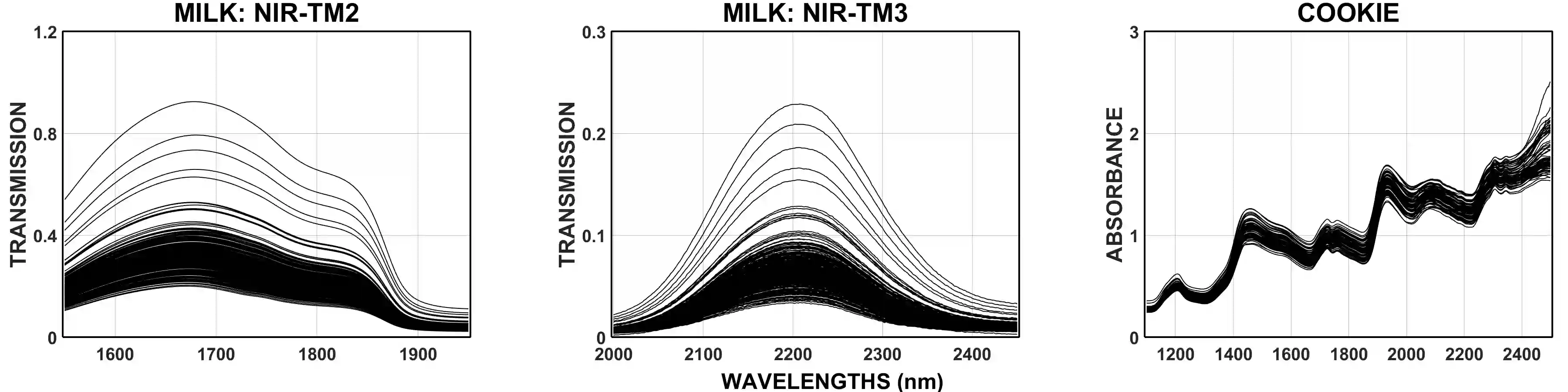
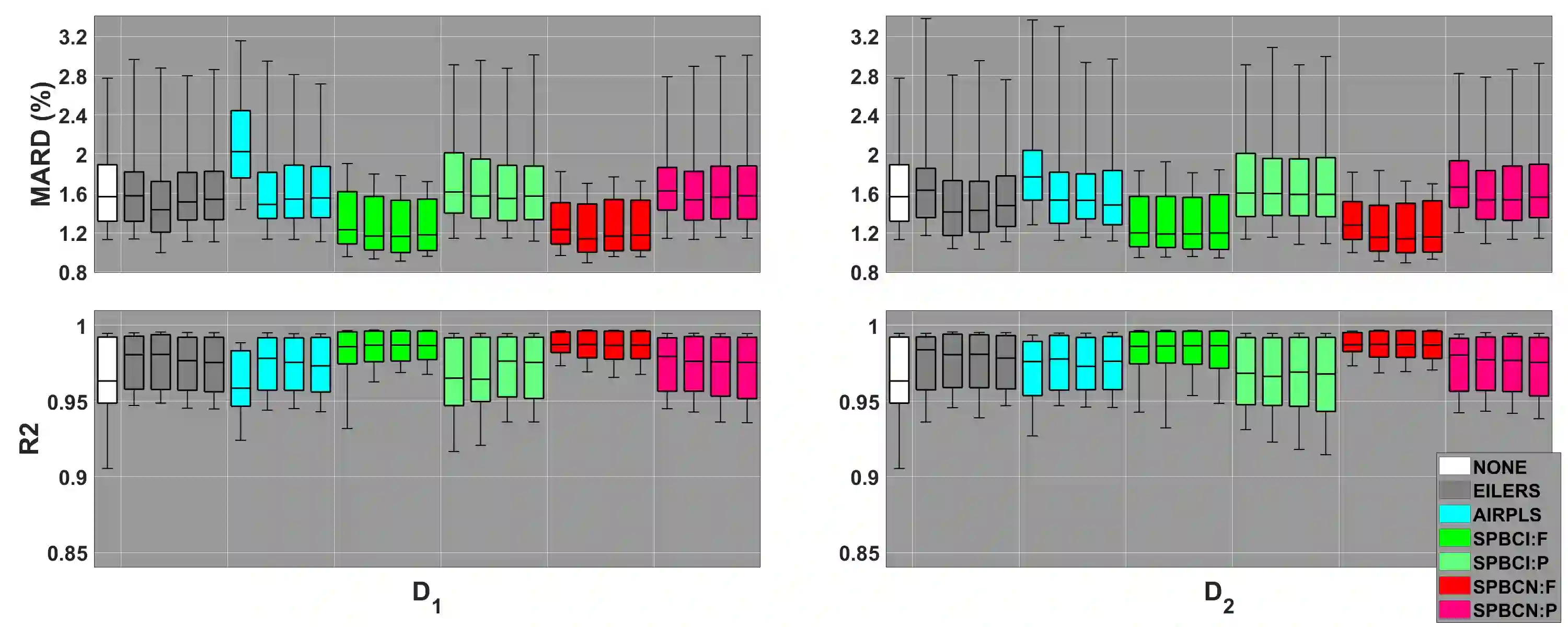
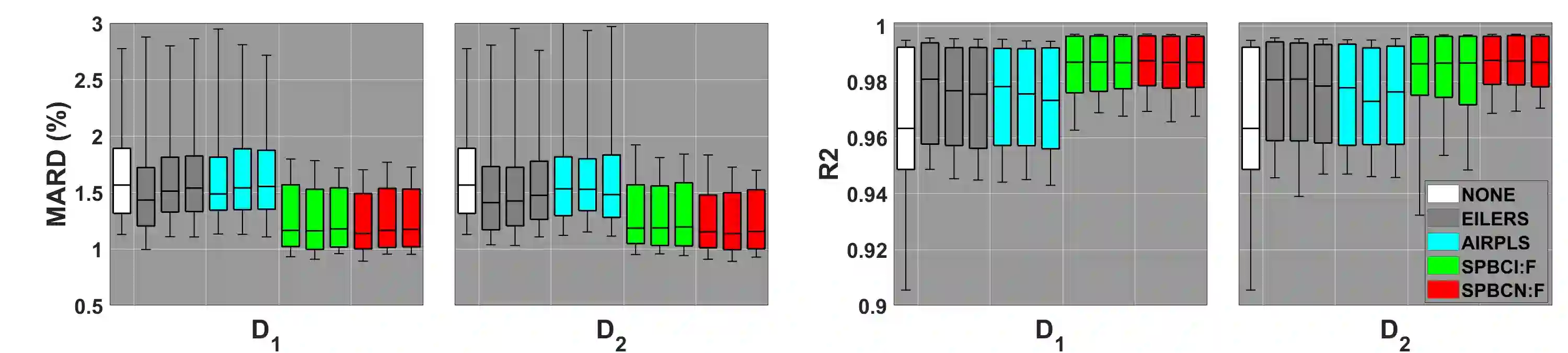
Spectroscopic measurements can show distorted spectra shapes arising from a mixture of absorbing and scattering contributions. These distortions (or baselines) often manifest themselves as non-constant offsets or low-frequency oscillations. As a result, these baselines can adversely affect analytical and quantitative results. Baseline correction is an umbrella term where one applies pre-processing methods to obtain baseline spectra (the unwanted distortions) and then remove the distortions by differencing. However, current state-of-the art baseline correction methods do not utilize analyte concentrations even if they are available, or even if they contribute significantly to the observed spectral variability. We examine a class of state-of-the-art methods (penalized baseline correction) and modify them such that they can accommodate a priori analyte concentration such that prediction can be enhanced. Performance will be access on two near infra-red data sets across both classical penalized baseline correction methods (without analyte information) and modified penalized baseline correction methods (leveraging analyte information).
翻译:光谱测量中,吸收与散射贡献的混合可能导致光谱形状发生畸变。这些畸变(即基线)通常表现为非恒定偏移或低频振荡,进而对分析和定量结果产生不利影响。基线校正是一个统称性术语,指通过预处理方法获取基线光谱(即非期望畸变),再通过差分方法去除畸变。然而,当前最先进的基线校正方法即使获得了分析物浓度数据,或该浓度对观测到的光谱变异性具有显著贡献,也未能加以利用。本研究对一类前沿方法(惩罚式基线校正)进行探究,并对其进行改进,使其能够整合先验分析物浓度信息,从而增强预测能力。我们将通过两组近红外光谱数据集,对经典惩罚式基线校正方法(不含分析物信息)与改进型惩罚式基线校正方法(利用分析物信息)的性能进行评估。




相关内容



 微信扫码咨询专知VIP会员