

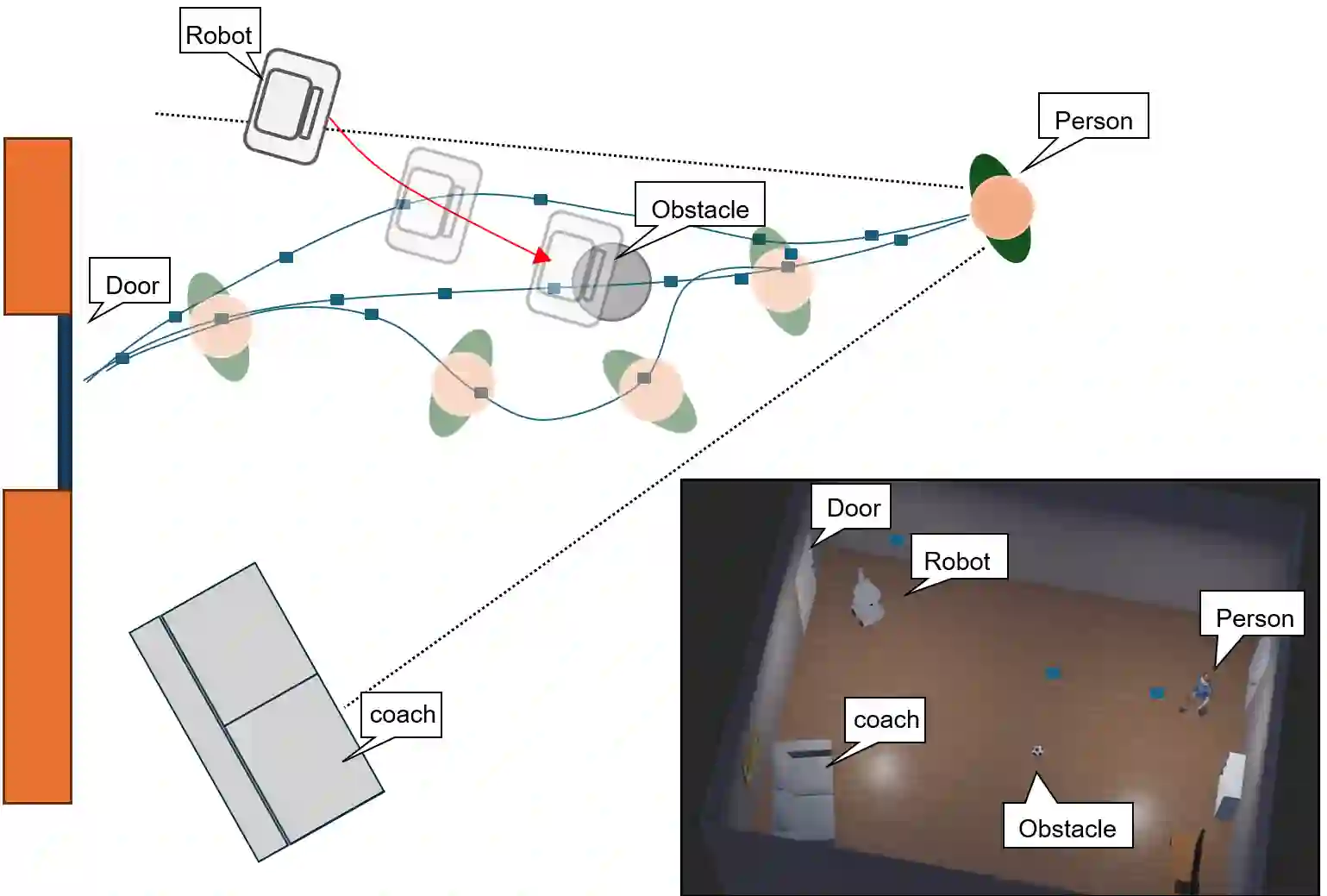
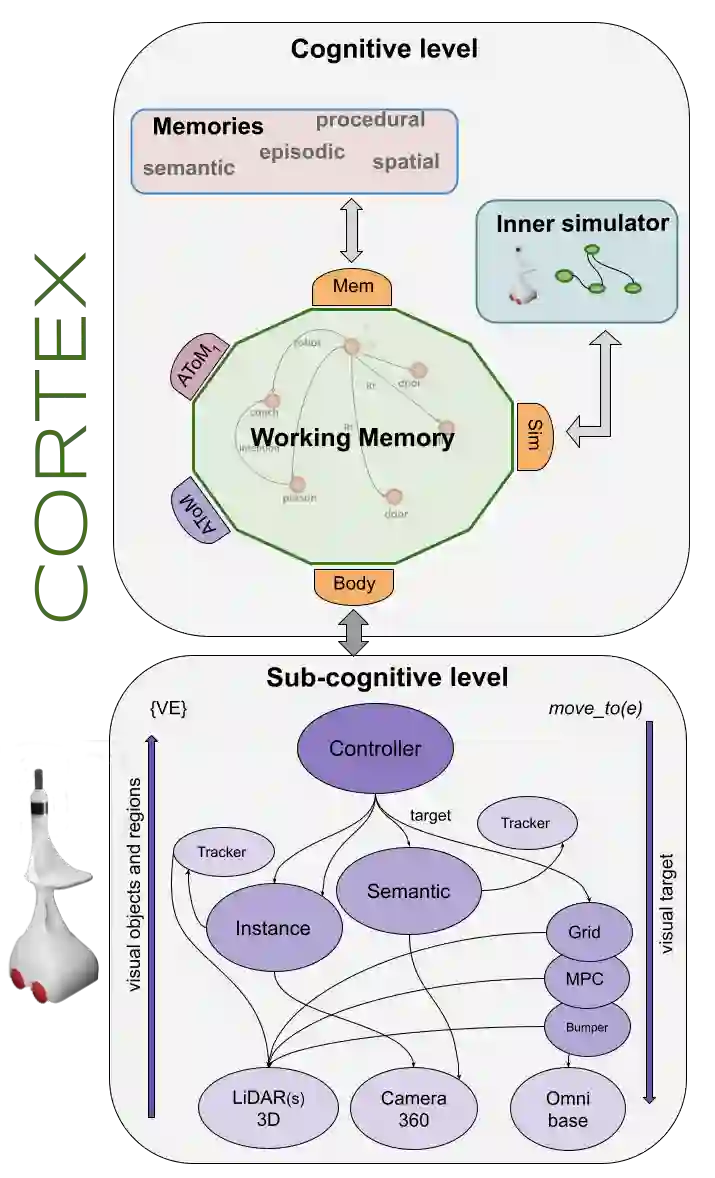
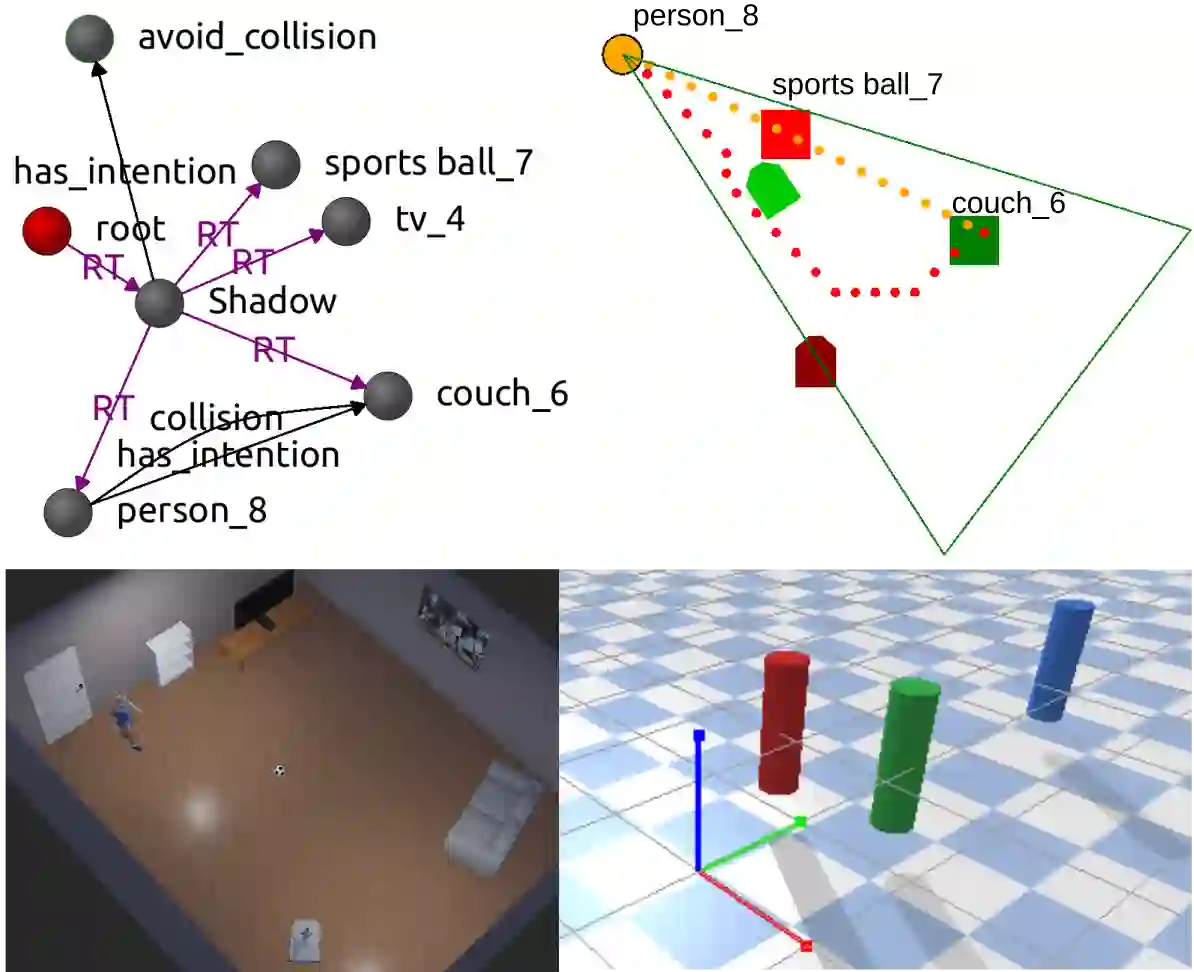
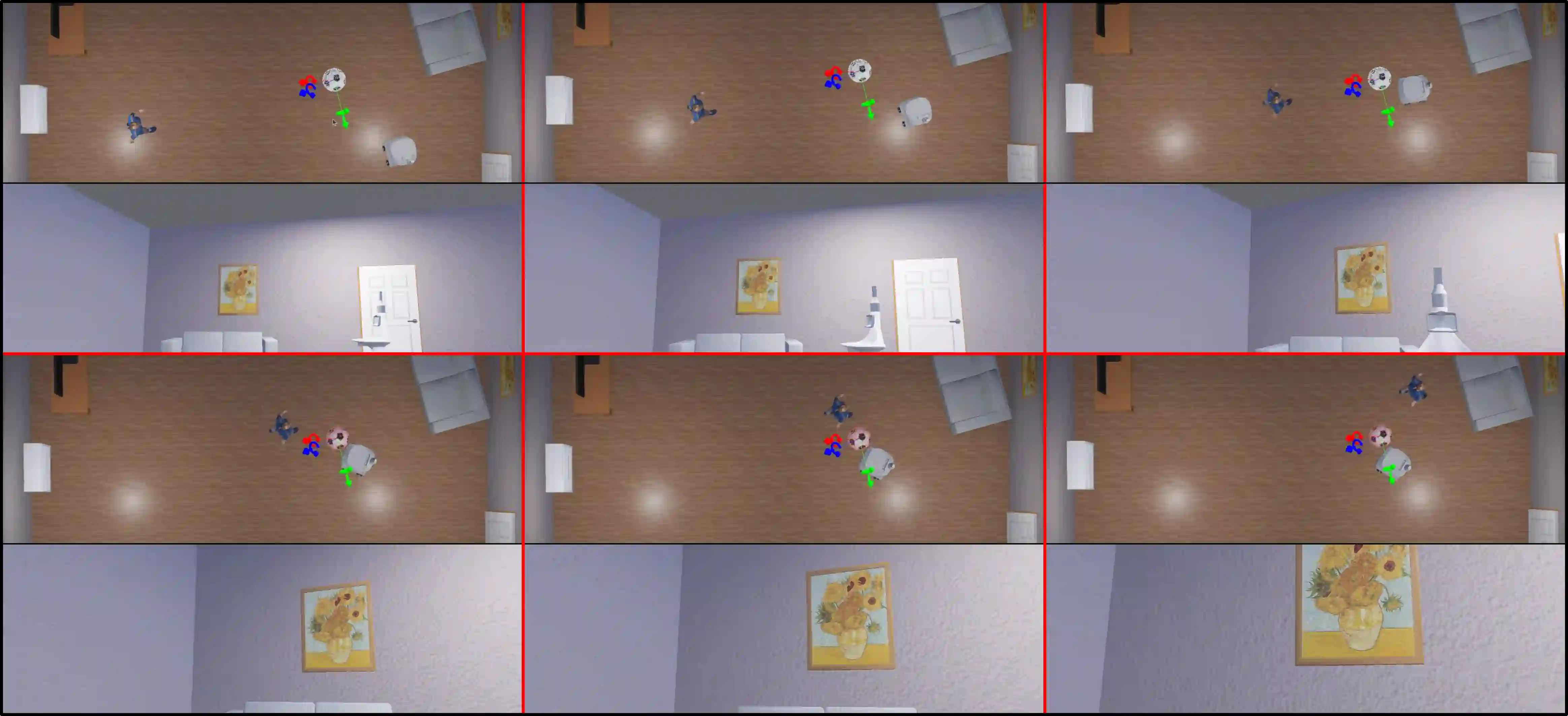
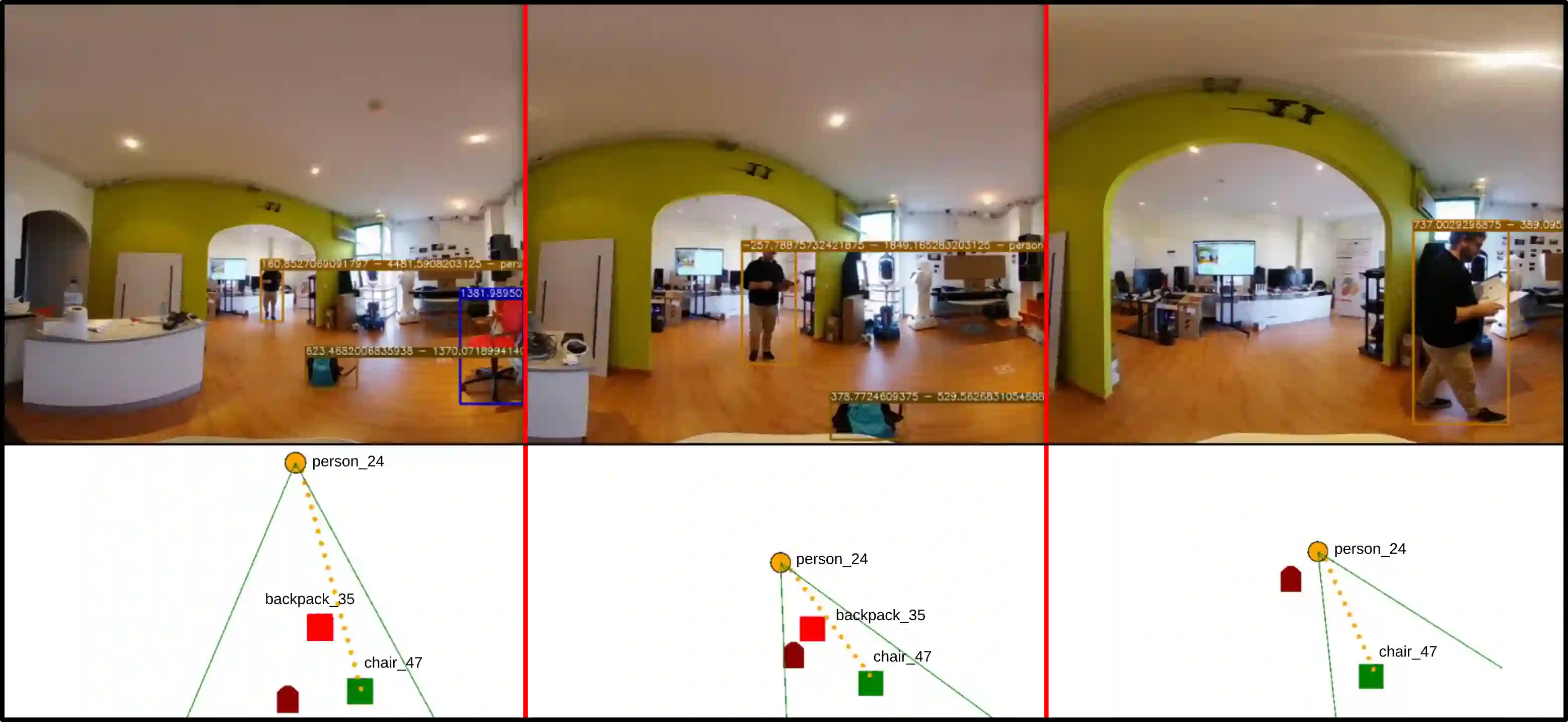
For robots to interact socially, they must interpret human intentions and anticipate their potential outcomes accurately. This is particularly important for social robots designed for human care, which may face potentially dangerous situations for people, such as unseen obstacles in their way, that should be avoided. This paper explores the Artificial Theory of Mind (ATM) approach to inferring and interpreting human intentions. We propose an algorithm that detects risky situations for humans, selecting a robot action that removes the danger in real time. We use the simulation-based approach to ATM and adopt the 'like-me' policy to assign intentions and actions to people. Using this strategy, the robot can detect and act with a high rate of success under time-constrained situations. The algorithm has been implemented as part of an existing robotics cognitive architecture and tested in simulation scenarios. Three experiments have been conducted to test the implementation's robustness, precision and real-time response, including a simulated scenario, a human-in-the-loop hybrid configuration and a real-world scenario.
翻译:为了让机器人能够进行社交互动,它们必须准确解读人类意图并预判其潜在后果。这一点对于设计用于人类照护的社交机器人尤为重要,因为这类机器人可能面临需要避免的潜在危险情境,例如行人在路径中存在未察觉的障碍物。本文探索了基于人工心理理论(Artificial Theory of Mind, ATM)的方法来推断和解读人类意图。我们提出了一种算法,能够检测人类面临的危险情境,并选择机器人动作以实时消除危险。我们采用基于仿真的ATM方法,并采用"如我一般"(like-me)策略为人类赋予意图和行动。通过这一策略,机器人能够在时间受限的条件下以高成功率完成检测和行动。该算法已被实现为现有机器人认知架构的一部分,并在仿真场景中进行了测试。我们开展了三项实验来验证实现的鲁棒性、精确性和实时响应能力,包括纯仿真场景、人在回路混合配置场景以及真实世界场景。




相关内容




 微信扫码咨询专知VIP会员