

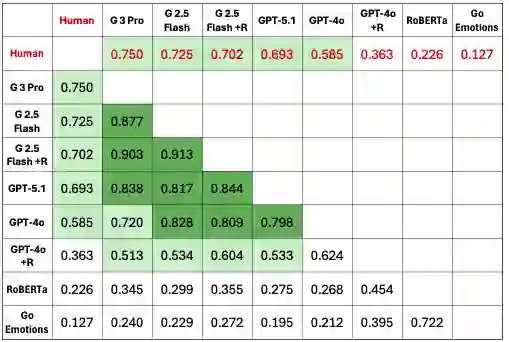
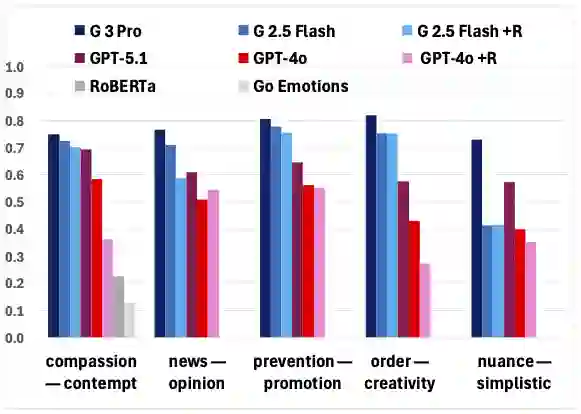
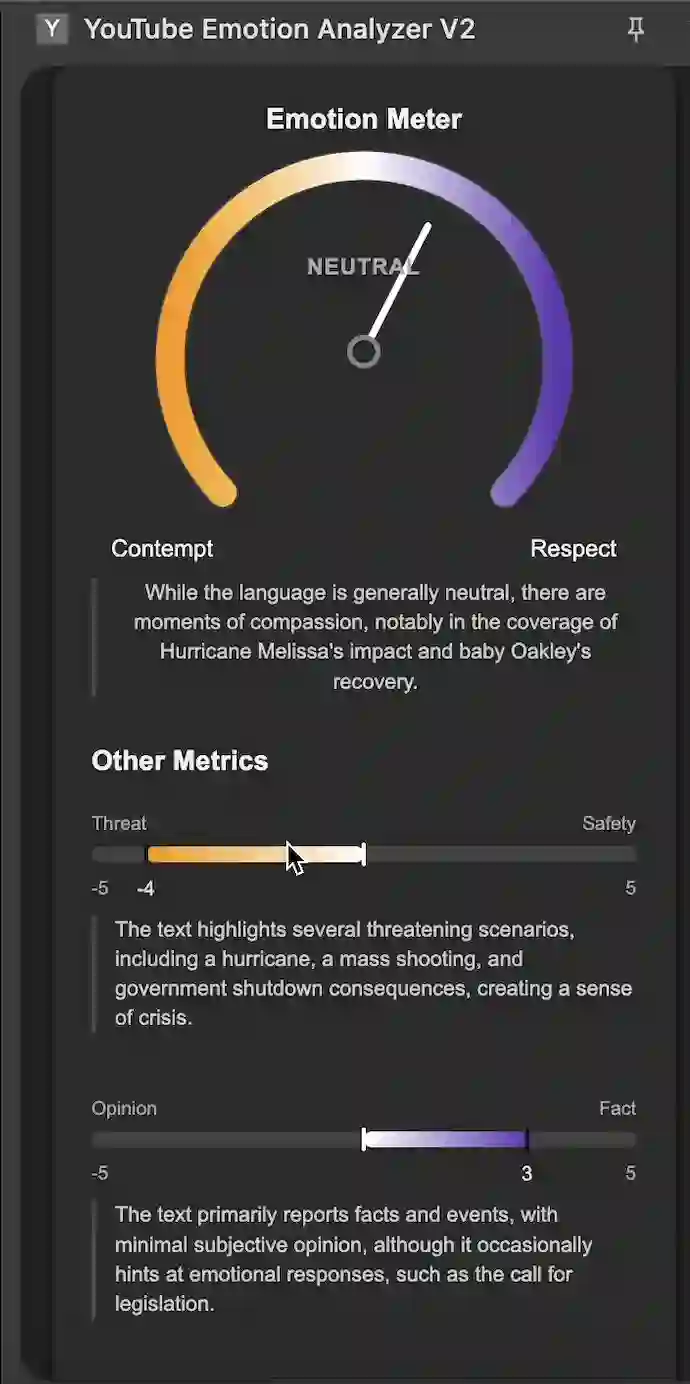
We used machine learning and artificial intelligence: 1) to measure levels of peace in countries from news and social media and 2) to develop on-line tools that promote peace by helping users better understand their own media diet. For news media, we used neural networks to measure levels of peace from text embeddings of on-line news sources. The model, trained on one news media dataset also showed high accuracy when used to analyze a different news dataset. For social media, such as YouTube, we developed other models to measure levels of social dimensions important in peace using word level (GoEmotions) and context level (Large Language Model) methods. To promote peace, we note that 71% of people 20-40 years old daily view most of their news through short videos on social media. Content creators of these videos are biased towards creating videos with emotional activation, making you angry to engage you, to increase clicks. We developed and tested a Chrome extension, MirrorMirror, which provides real-time feedback to YouTube viewers about the peacefulness of the media they are watching. Our long term goal is for MirrorMirror to evolve into an open-source tool for content creators, journalists, researchers, platforms, and individual users to better understand the tone of their media creation and consumption and its effects on viewers. Moving beyond simple engagement metrics, we hope to encourage more respectful, nuanced, and informative communication.
翻译:本研究运用机器学习与人工智能技术实现两个目标:1)基于新闻与社交媒体数据测量各国和平水平;2)开发在线工具帮助用户更好地理解自身媒体接触习惯以促进和平。针对新闻媒体,我们采用神经网络对在线新闻源的文本嵌入向量进行和平水平测量。基于某新闻数据集训练的模型,在分析不同新闻数据集时仍表现出高准确度。针对YouTube等社交媒体,我们分别采用词汇层面(GoEmotions)与语境层面(大语言模型)方法,开发了测量对和平至关重要的社会维度水平的模型。为促进和平,我们注意到20-40岁人群中71%每日主要通过社交媒体短视频获取新闻。这些视频创作者倾向于制作具有情绪激活性的内容——通过激发愤怒情绪来提升点击率。我们开发并测试了Chrome扩展程序MirrorMirror,可为YouTube观众提供其观看媒体内容和平度的实时反馈。我们的长期目标是将MirrorMirror发展为开源工具,供内容创作者、新闻工作者、研究人员、平台及个人用户更好地理解其媒体创作与消费的基调及其对观众的影响。超越简单的互动指标,我们期望推动更具尊重性、细致性和信息性的传播方式。




相关内容





 微信扫码咨询专知VIP会员