

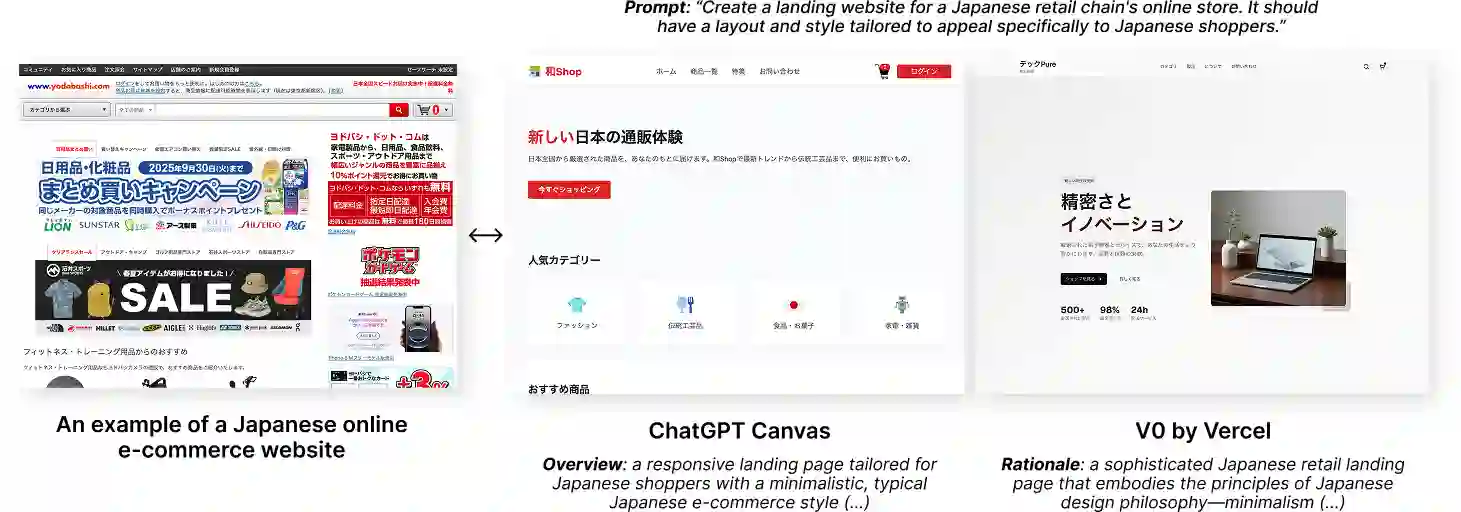
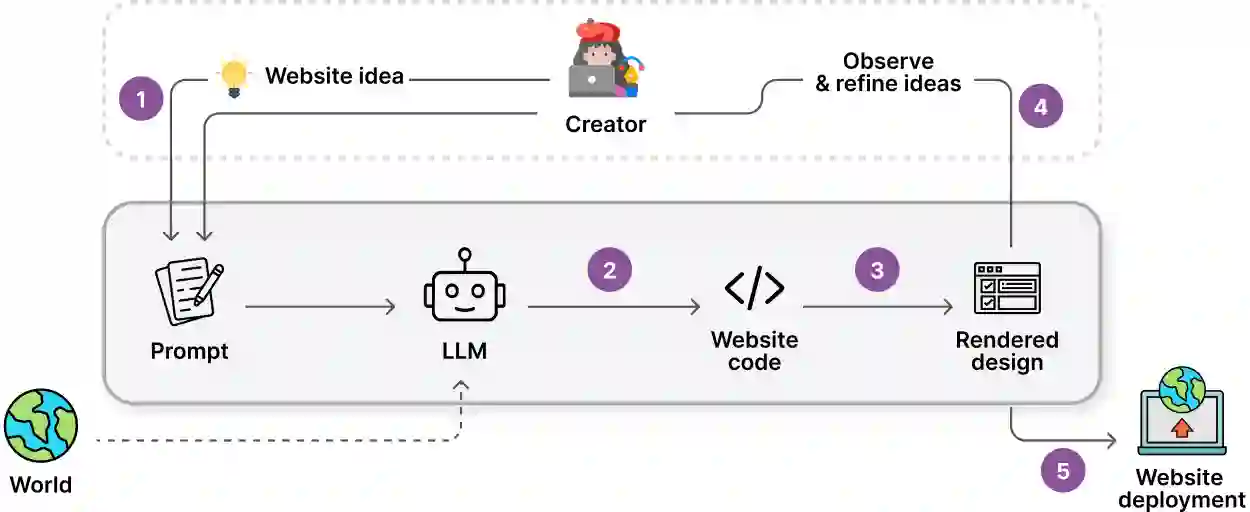
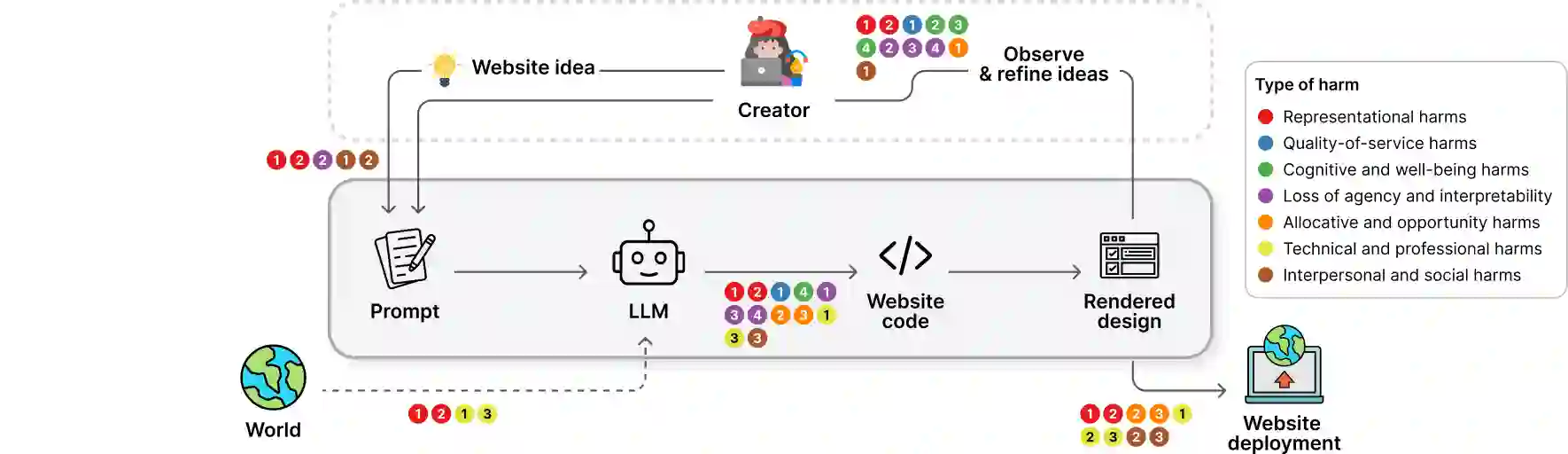
Generative AI is known for its tendency to homogenize, often reproducing dominant style conventions found in training data. However, it remains unclear how these homogenizing effects extend to complex structural tasks like web design. As lay creators increasingly turn to LLMs to 'vibe-code' websites -- prompting for aesthetic and functional goals rather than writing code -- they may inadvertently narrow the diversity of their designs, and limit creative expression throughout the internet. In this paper, we interrogate the possibility of design homogenization in web vibe coding. We first characterize the vibe coding lifecycle, pinpointing stages where homogenization risks may arise. We then conduct a sociotechnical risk analysis unpacking the potential harms of web vibe coding and their interaction with design homogenization. We identify that the push for frictionless generation can exacerbate homogenization and its harms. Finally, we propose a mitigation framework centered on the idea of productive friction. Through case studies at the micro, meso, and macro levels, we show how centering productive friction can empower creators to challenge default outputs and preserve diverse expression in AI-mediated web design.
翻译:生成式人工智能以其同质化倾向而闻名,常会复现训练数据中的主流风格惯例。然而,这些同质化效应如何延伸至网页设计这类复杂结构性任务,目前尚不明确。随着非专业创作者日益转向使用大语言模型进行“氛围编码”来创建网站——即通过提示描述美学和功能目标而非直接编写代码——他们可能在无意中缩小了设计的多样性,并限制了整个互联网上的创意表达。本文探究了网页氛围编码中设计同质化的可能性。我们首先描述了氛围编码的生命周期,指出了同质化风险可能出现的阶段。接着,我们进行了一项社会技术风险分析,剖析了网页氛围编码的潜在危害及其与设计同质化的相互作用。我们发现,对“无摩擦生成”的追求可能会加剧同质化及其危害。最后,我们提出了一个以“生产性摩擦”理念为核心的缓解框架。通过在微观、中观和宏观层面的案例研究,我们展示了以生产性摩擦为核心如何能够赋能创作者,使其能够挑战默认输出,并在人工智能介导的网页设计中保持表达的多样性。




相关内容



 微信扫码咨询专知VIP会员