

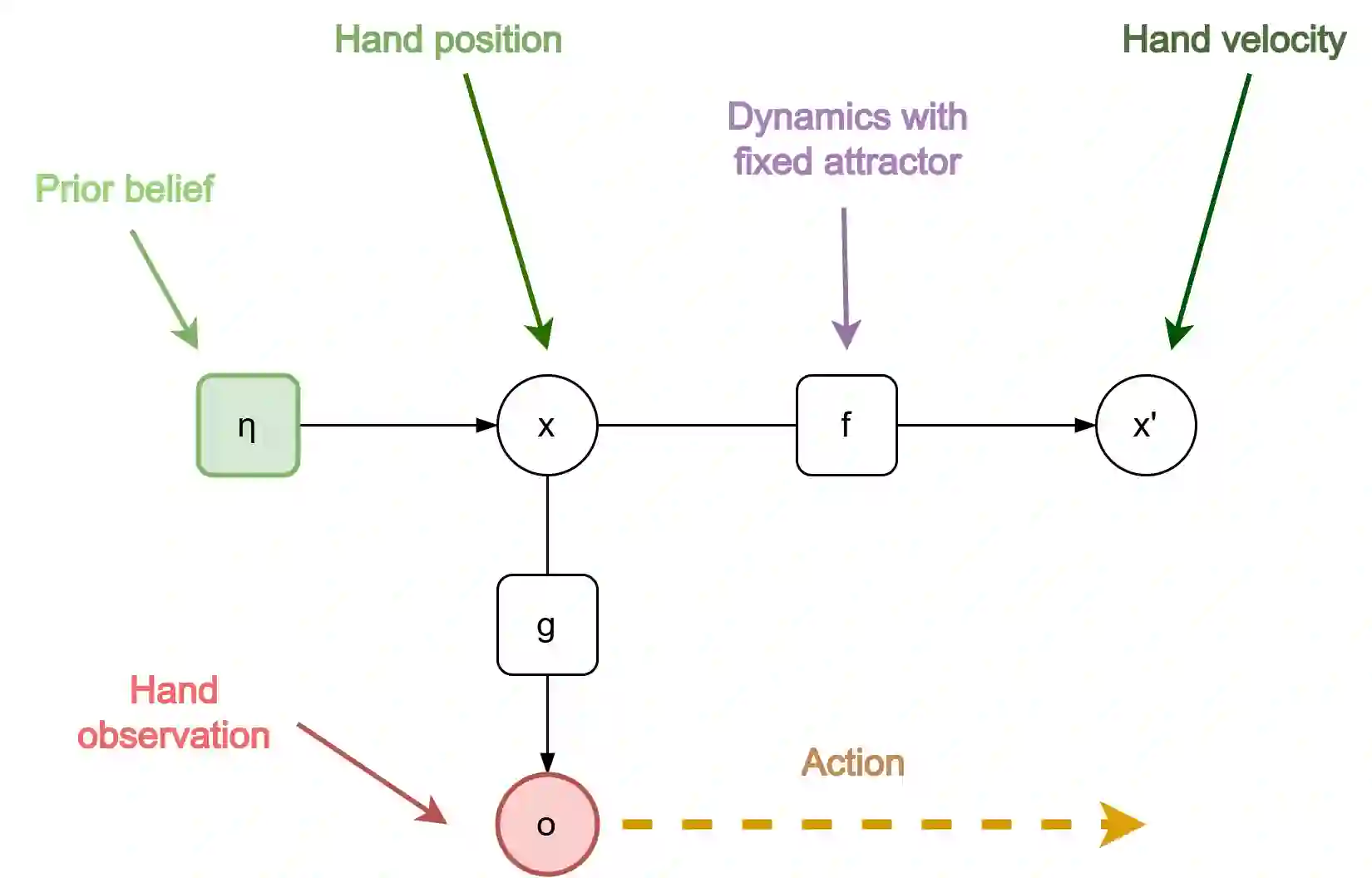
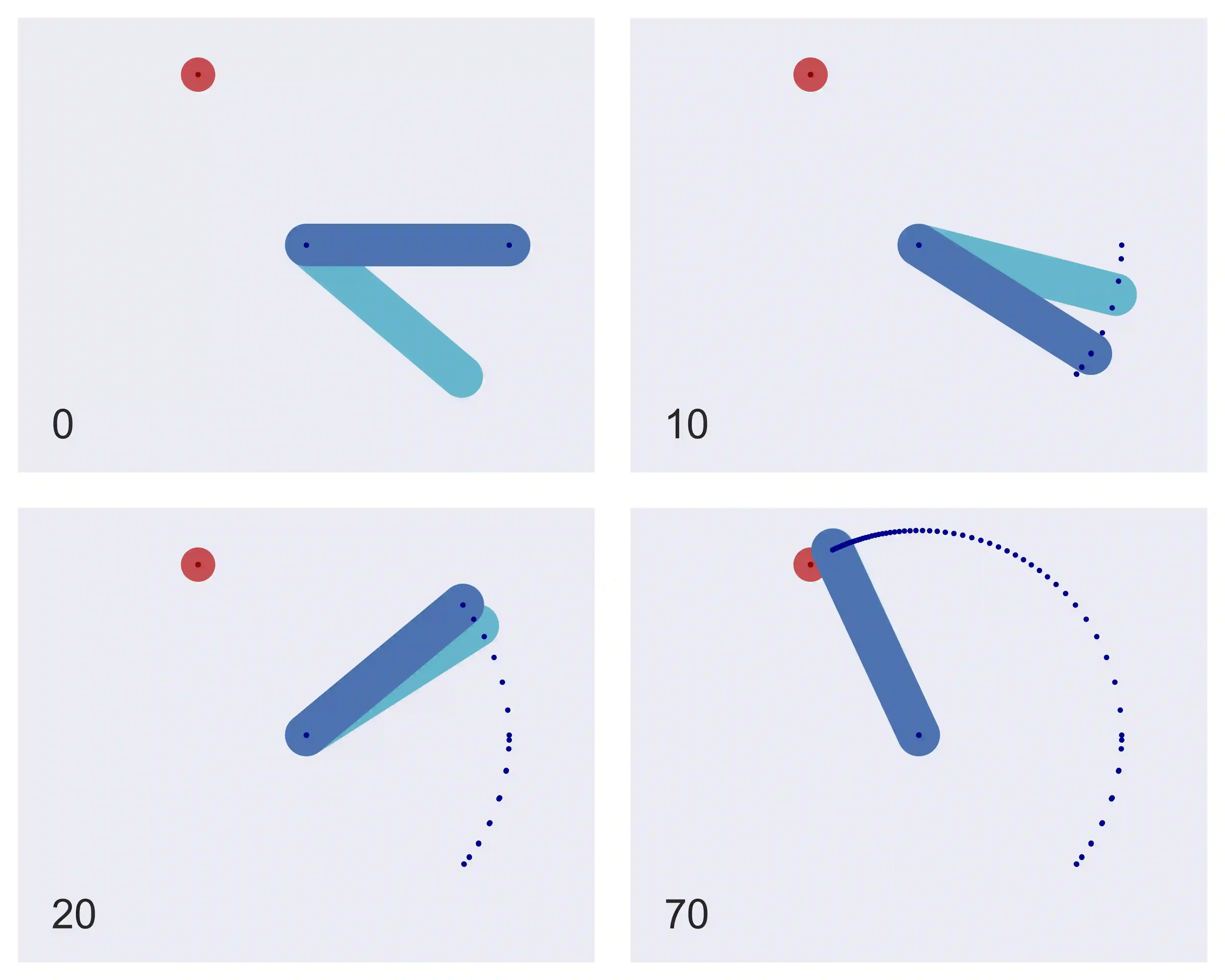
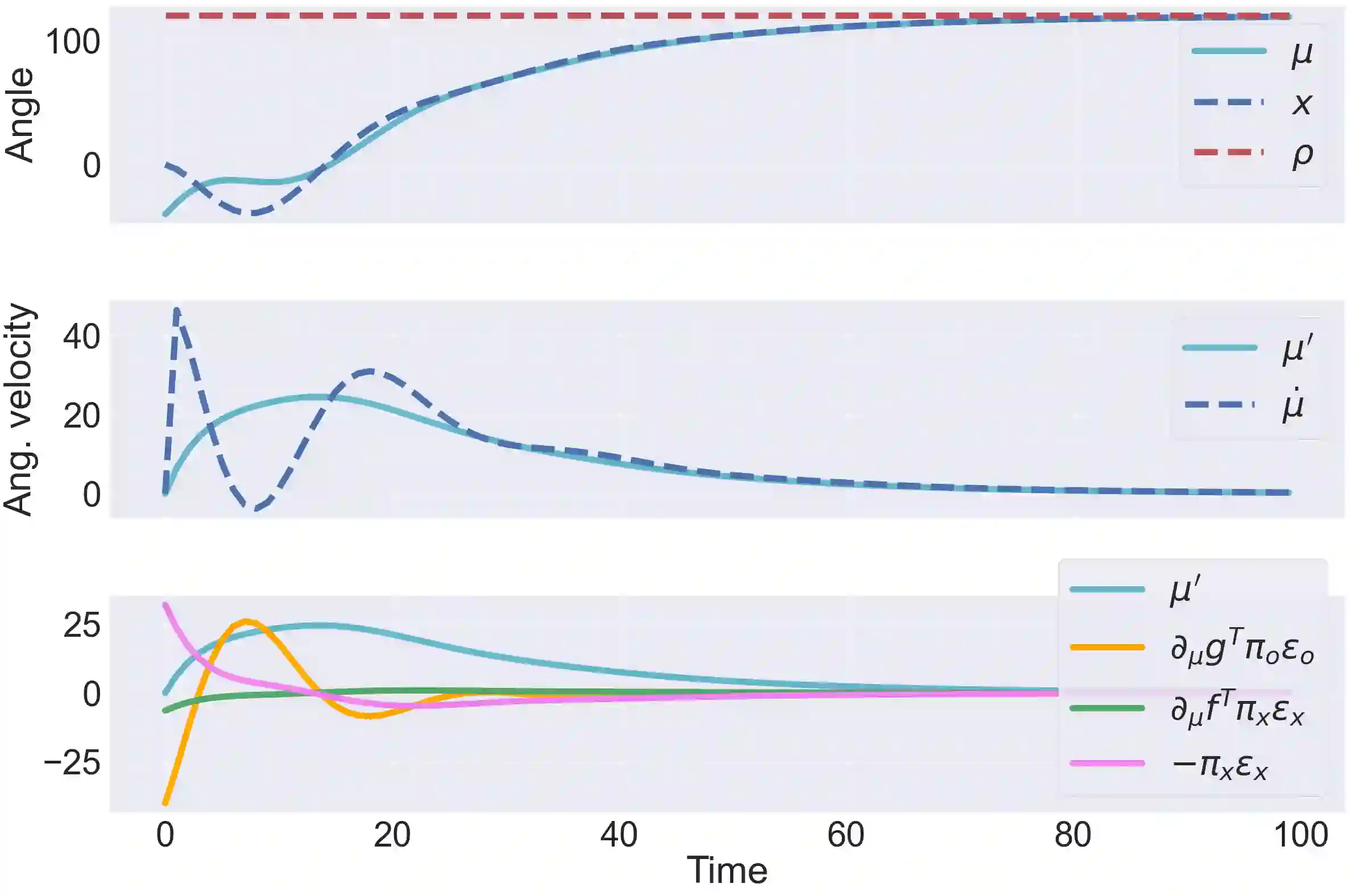
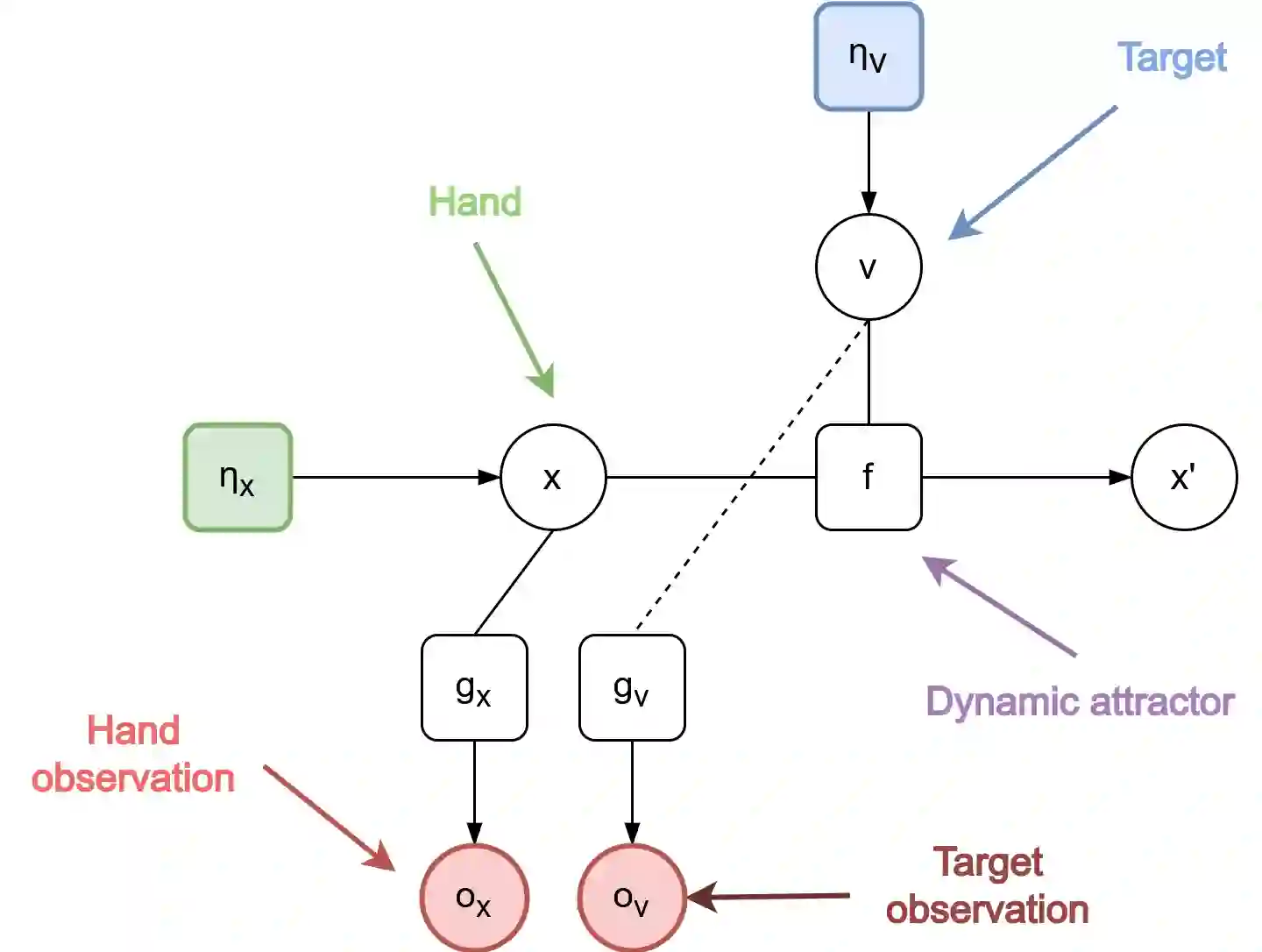
By dynamic planning, we refer to the ability of the human brain to infer and impose motor trajectories related to cognitive decisions. A recent paradigm, active inference, brings fundamental insights into the adaptation of biological organisms, constantly striving to minimize prediction errors to restrict themselves to life-compatible states. Over the past years, many studies have shown how human and animal behavior could be explained in terms of an active inferential process - either as discrete decision-making or continuous motor control - inspiring innovative solutions in robotics and artificial intelligence. Still, the literature lacks a comprehensive outlook on how to effectively plan actions in changing environments. Setting ourselves the goal of modeling tool use, we delve into the topic of dynamic planning in active inference, keeping in mind two crucial aspects of biological goal-directed behavior: the capacity to understand and exploit affordances for object manipulation, and to learn the hierarchical interactions between the self and the environment, including other agents. We start from a simple unit and gradually describe more advanced structures, comparing recently proposed design choices and providing basic examples for each section. This study distances itself from traditional views centered on neural networks and reinforcement learning, and points toward a yet unexplored direction in active inference: hybrid representations in hierarchical models.
翻译:动态规划指的是人脑推断并施加与认知决策相关的运动轨迹的能力。主动推理这一新兴范式为生物有机体的适应性提供了基础性见解,这些有机体不断努力最小化预测误差,以将自身限制在与生命相容的状态。过去几年中,许多研究展示了如何用主动推理过程——无论是离散决策还是连续运动控制——来解释人类和动物行为,这为机器人和人工智能领域带来了创新解决方案。然而,现有文献仍缺乏关于如何在变化环境中有效规划行动的全面视角。以工具使用建模为目标,我们深入探讨主动推理中的动态规划问题,同时关注生物目标导向行为的两个关键方面:理解并利用可供性进行物体操纵的能力,以及学习自我与环境(包括其他智能体)之间分层交互的能力。我们从简单单元出发,逐步描述更高级的结构,比较近期提出的设计方案,并为每个部分提供基础示例。本研究区别于以神经网络和强化学习为中心的传统观点,指向主动推理中一个尚未探索的方向:分层模型中的混合表征。




相关内容





 微信扫码咨询专知VIP会员