

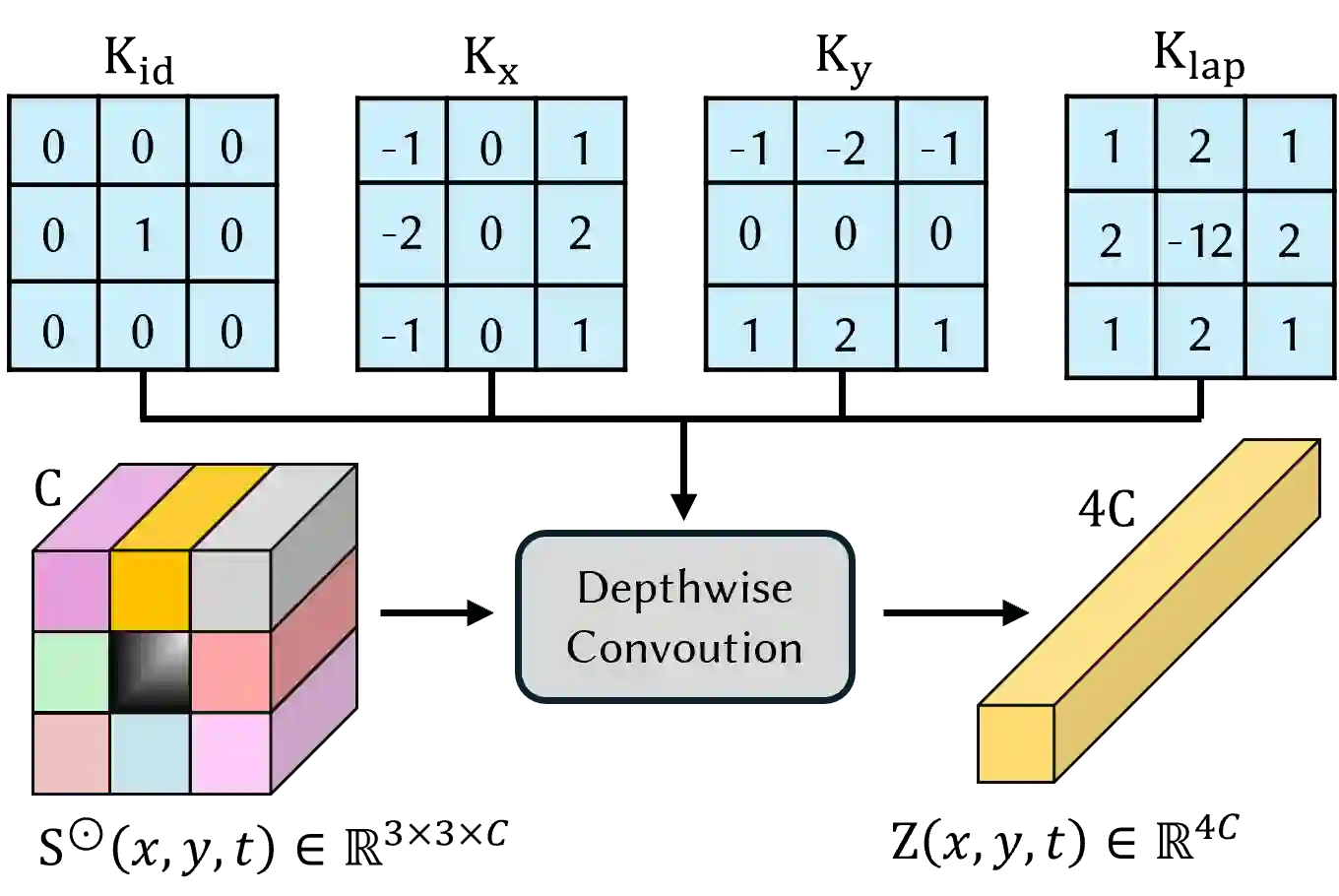
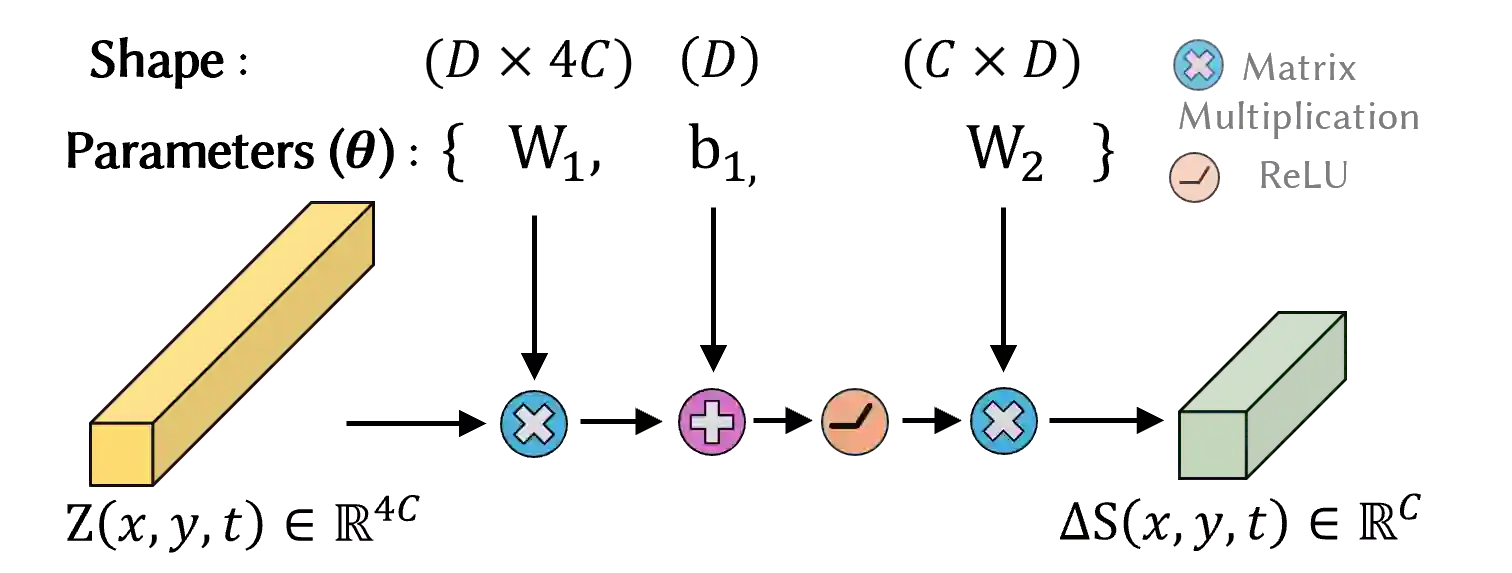
Neural Cellular Automata (NCA) is a class of Cellular Automata where the update rule is parameterized by a neural network that can be trained using gradient descent. In this paper, we focus on NCA models used for texture synthesis, where the update rule is inspired by partial differential equations (PDEs) describing reaction-diffusion systems. To train the NCA model, the spatio-termporal domain is discretized, and Euler integration is used to numerically simulate the PDE. However, whether a trained NCA truly learns the continuous dynamic described by the corresponding PDE or merely overfits the discretization used in training remains an open question. We study NCA models at the limit where space-time discretization approaches continuity. We find that existing NCA models tend to overfit the training discretization, especially in the proximity of the initial condition, also called "seed". To address this, we propose a solution that utilizes uniform noise as the initial condition. We demonstrate the effectiveness of our approach in preserving the consistency of NCA dynamics across a wide range of spatio-temporal granularities. Our improved NCA model enables two new test-time interactions by allowing continuous control over the speed of pattern formation and the scale of the synthesized patterns. We demonstrate this new NCA feature in our interactive online demo. Our work reveals that NCA models can learn continuous dynamics and opens new venues for NCA research from a dynamical systems' perspective.
翻译:神经细胞自动机(NCA)是一类细胞自动机,其更新规则由可通过梯度下降训练的神经网络参数化。本文聚焦于用于纹理合成的NCA模型,其更新规则受描述反应-扩散系统的偏微分方程(PDE)启发。为训练NCA模型,需对时空域进行离散化,并采用欧拉积分对PDE进行数值模拟。然而,训练后的NCA究竟是真正学习了对应PDE所描述的连续动力学,还是仅过拟合了训练所用的离散化方案,这一问题尚待解答。本研究在时空离散化趋近连续性的极限条件下考察NCA模型,发现现有NCA模型易过拟合训练离散化程度,尤其是在初值条件(亦称“种子”)附近。为解决此问题,我们提出采用均匀噪声作为初始条件的方案,并验证了该方法在跨越多尺度时空粒度下保持NCA动力学一致性的有效性。改进后的NCA模型实现了两种新的测试时交互能力:可连续控制图案形成速度与合成图案尺度。我们通过交互式在线演示展示了这一新特性。本研究揭示了NCA模型可学习连续动力学,并从动力系统视角为NCA研究开辟了新方向。







相关内容




 微信扫码咨询专知VIP会员