

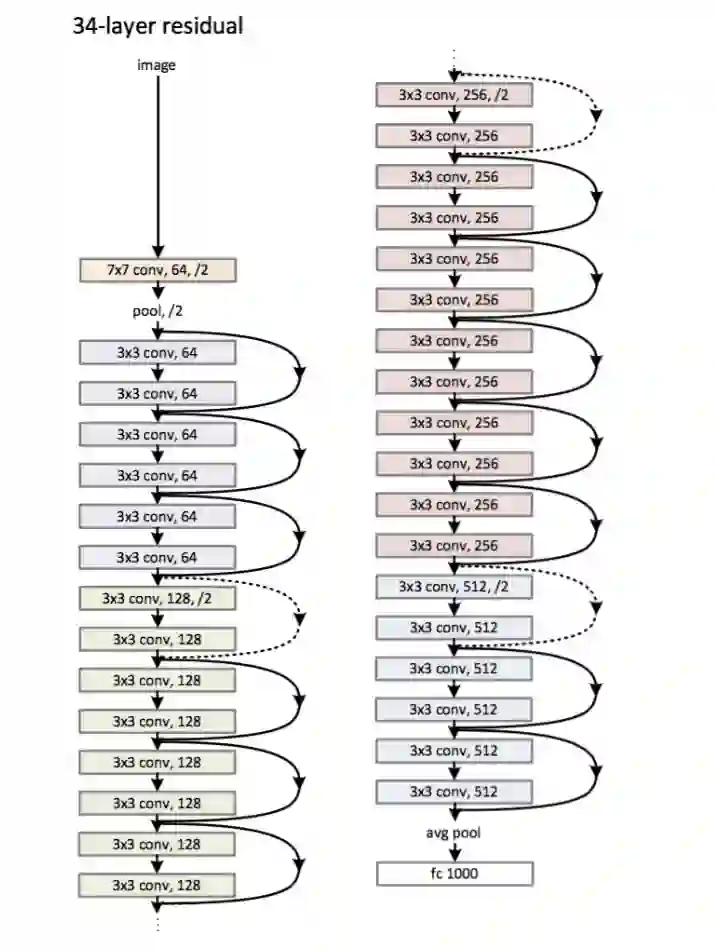
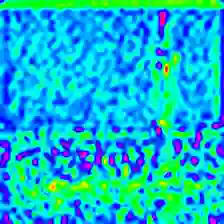
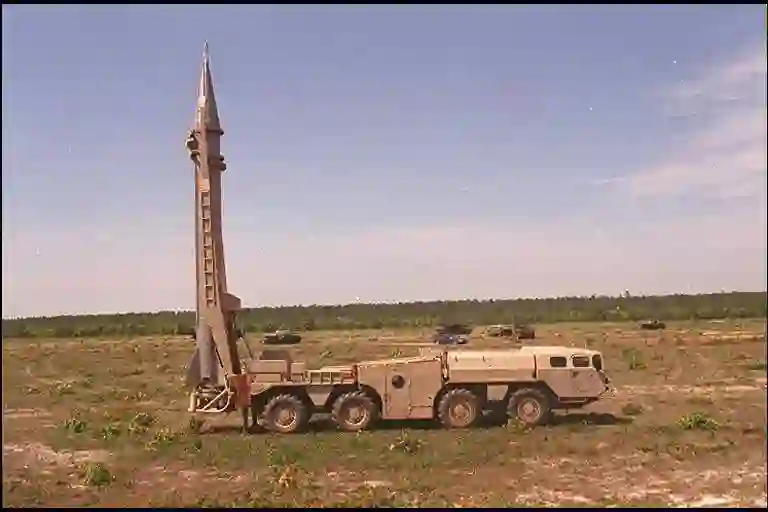
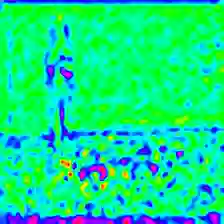
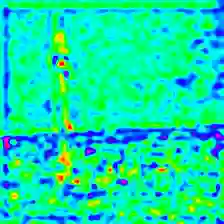
The use of transfer learning with deep neural networks has increasingly become widespread for deploying well-tested computer vision systems to newer domains, especially those with limited datasets. We describe a transfer learning use case for a domain with a data-starved regime, having fewer than 100 labeled target samples. We evaluate the effectiveness of convolutional feature extraction and fine-tuning of overparameterized models with respect to the size of target training data, as well as their generalization performance on data with covariate shift, or out-of-distribution (OOD) data. Our experiments demonstrate that both overparameterization and feature reuse contribute to the successful application of transfer learning in training image classifiers in data-starved regimes. We provide visual explanations to support our findings and conclude that transfer learning enhances the performance of CNN architectures in data-starved regimes.
翻译:深度神经网络迁移学习在将经过充分验证的计算机视觉系统部署至新兴领域(尤其是数据集有限的领域)中的应用日益广泛。本文描述了一种针对数据匮乏情境(目标标注样本不足100个)的迁移学习用例。我们评估了卷积特征提取与超参数化模型微调方法随目标训练数据规模变化的有效性,以及它们在协变量偏移数据(即分布外数据)上的泛化性能。实验表明,超参数化与特征重用共同促进了数据匮乏情境下图像分类器迁移学习的成功应用。我们通过可视化解释支撑研究发现,并得出结论:迁移学习能有效提升数据匮乏情境中CNN架构的性能表现。




相关内容



 微信扫码咨询专知VIP会员