

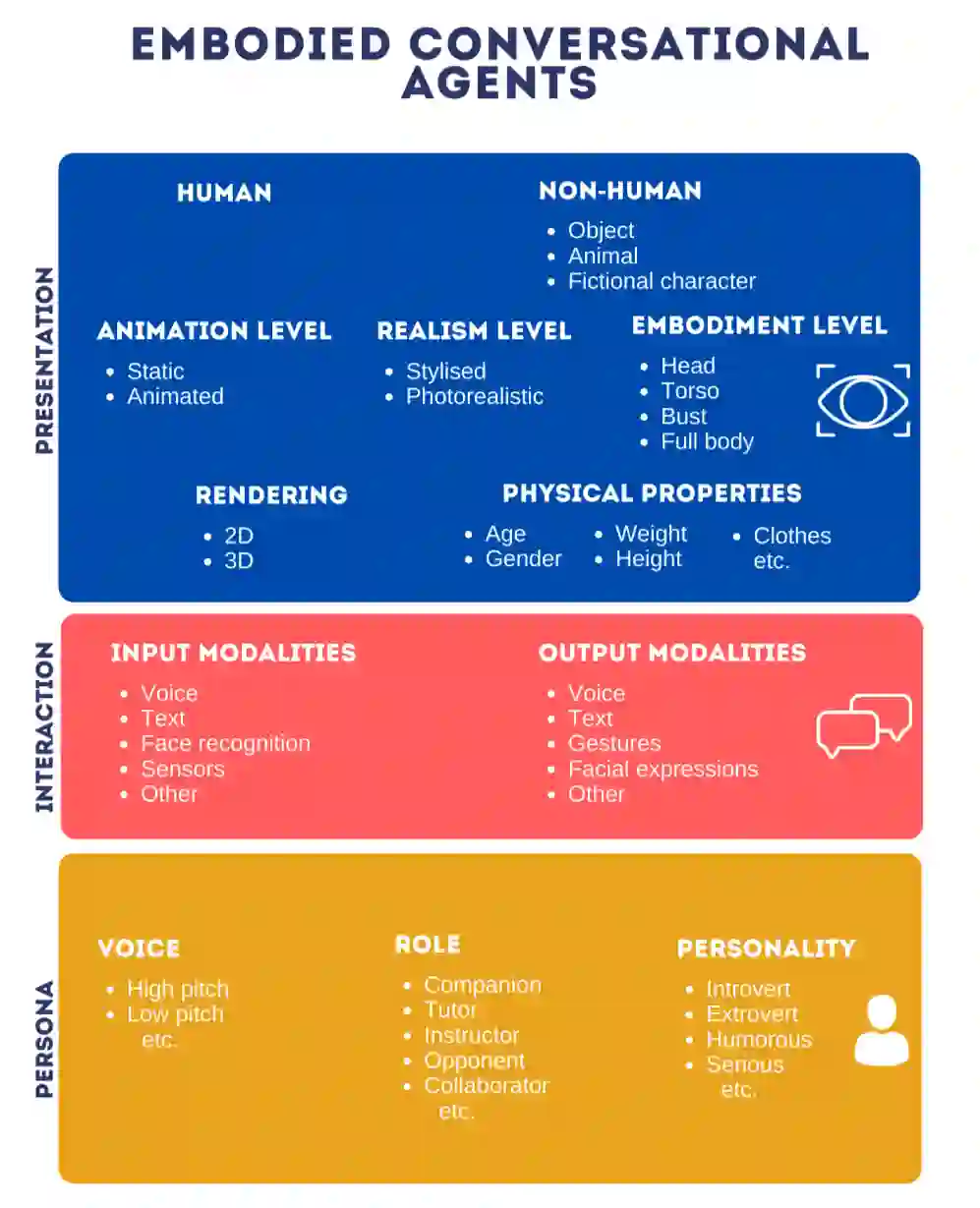
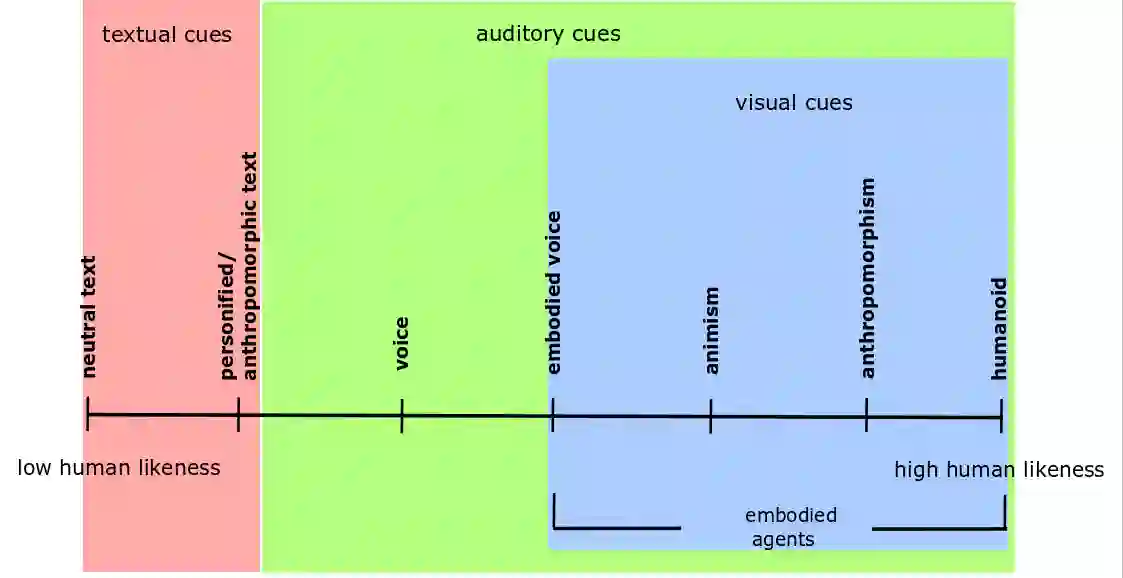
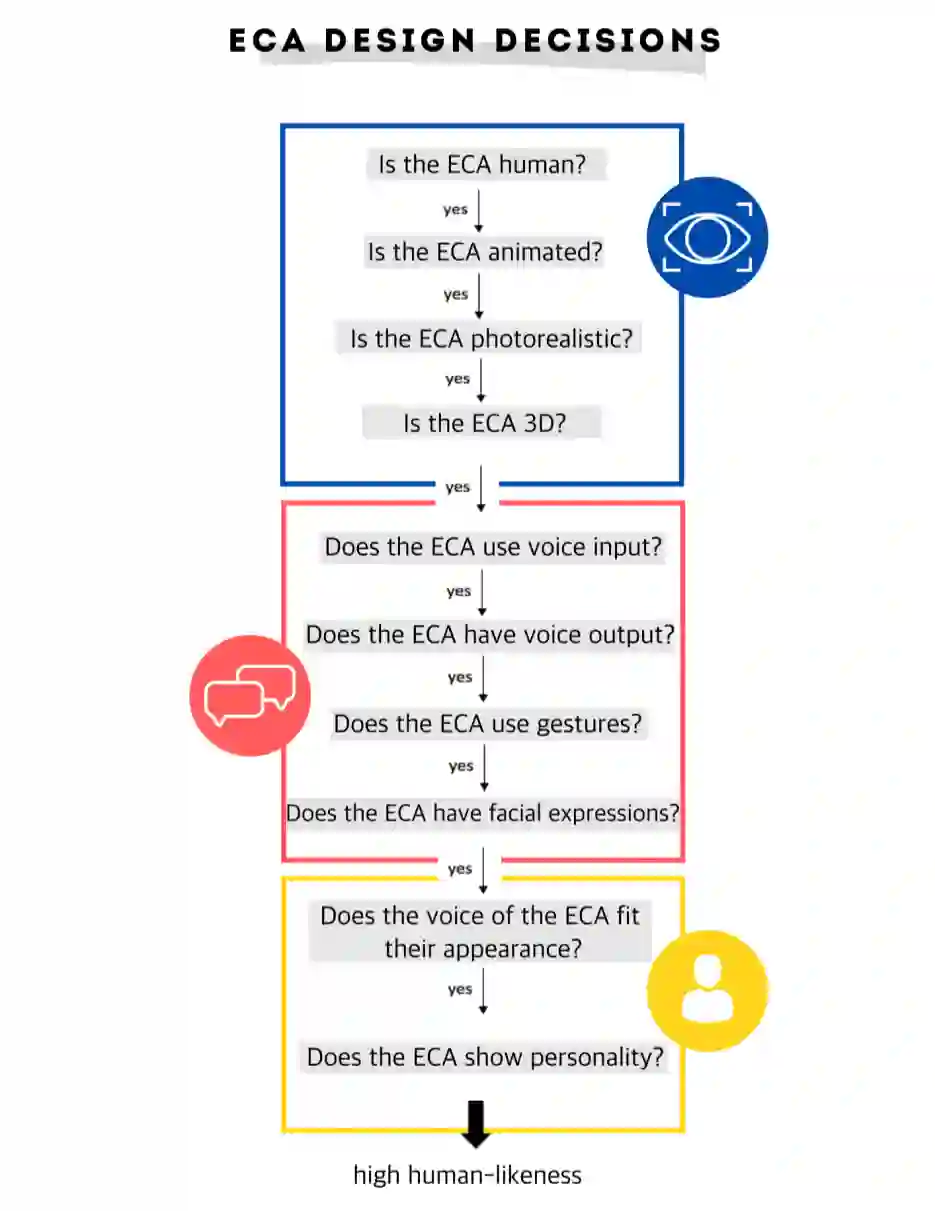
This paper presents an empirical investigation of the extent to which spoken Humanoid Embodied Conversational Agents (HECAs) can foster usability in mobile serious game (MSG) applications. The aim of the research is to assess the impact of multiple agents and illusion of humanness on the quality of the interaction. The experiment investigates two styles of agent presentation: an agent of high human-likeness (HECA) and an agent of low human-likeness (text). The purpose of the experiment is to assess whether and how agents of high humanlikeness can evoke the illusion of humanness and affect usability. Agents of high human-likeness were designed by following the ECA design model that is a proposed guide for ECA development. The results of the experiment with 90 participants show that users prefer to interact with the HECAs. The difference between the two versions is statistically significant with a large effect size (d=1.01), with many of the participants justifying their choice by saying that the human-like characteristics of the HECA made the version more appealing. This research provides key information on the potential effect of HECAs on serious games, which can provide insight into the design of future mobile serious games.
翻译:本文对语音人形具身对话代理(HECAs)在移动严肃游戏(MSG)应用中提升可用性的程度进行了实证研究。研究旨在评估多代理机制及拟人化错觉对交互质量的影响。实验考察了两种代理呈现方式:高拟人化代理(HECA)与低拟人化代理(文本)。实验目的是评估高拟人化代理是否及如何激发拟人化错觉并影响可用性。高拟人化代理的设计遵循了ECA开发指南中提出的ECA设计模型。针对90名参与者的实验结果表明,用户更倾向于与HECA进行交互。两种版本之间的差异具有统计学显著性(效应量d=1.01),多数参与者通过陈述HECA的拟人化特征使版本更具吸引力来佐证其选择。本研究为HECA在严肃游戏中的潜在效应提供了关键信息,可为未来移动严肃游戏的设计提供参考。






相关内容





 微信扫码咨询专知VIP会员