

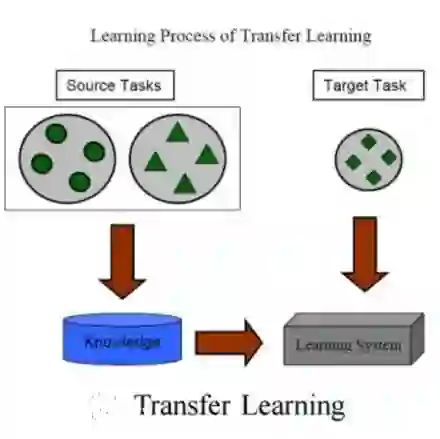
Smart buildings aim to optimize energy consumption by applying artificial intelligent algorithms. When a smart building is commissioned there is no historical data that could be used to train these algorithms. On-line Reinforcement Learning (RL) algorithms have shown significant promise, but their deployment carries a significant risk, because as the RL agent initially explores its action space it could cause significant discomfort to the building residents. In this paper we present ReLBOT, a new technique that uses transfer learning in conjunction with deep RL to transfer knowledge from an existing, optimized smart building, to the newly commissioning building, to reduce the adverse impact of the reinforcement learning agent's warm-up period. We demonstrate improvements of up to 6.2 times in the duration, and up to 132 times in prediction variance for the reinforcement learning agent's warm-up period.
翻译:智能建筑旨在通过应用人工智能算法来优化能源消耗。当一栋智能建筑投入使用时,通常缺乏可用于训练这些算法的历史数据。在线强化学习算法虽展现出显著潜力,但其部署存在重大风险,因为强化学习代理在初始探索动作空间时可能给建筑居民带来严重不适。本文提出ReLBOT技术,该技术将迁移学习与深度强化学习相结合,将现有已优化的智能建筑知识迁移至新建智能建筑中,以减少强化学习代理热身阶段的不利影响。实验证明,该方法可将强化学习代理热身阶段的持续时间缩短最多6.2倍,并将预测方差降低最多132倍。




相关内容




 微信扫码咨询专知VIP会员