

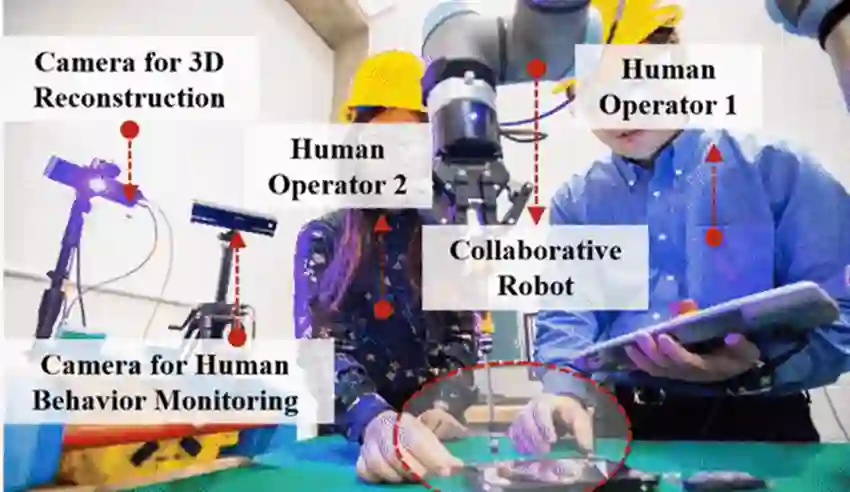
Product disassembly plays a crucial role in the recycling, remanufacturing, and reuse of end-of-use (EoU) products. However, the current manual disassembly process is inefficient due to the complexity and variation of EoU products. While fully automating disassembly is not economically viable given the intricate nature of the task, there is potential in using human-robot collaboration (HRC) to enhance disassembly operations. HRC combines the flexibility and problem-solving abilities of humans with the precise repetition and handling of unsafe tasks by robots. Nevertheless, numerous challenges persist in technology, human workers, and remanufacturing work, that require comprehensive multidisciplinary research to bridge critical gaps. These challenges have motivated the authors to provide a detailed discussion on the opportunities and obstacles associated with introducing HRC to disassembly. In this regard, the authors have conducted a thorough review of the recent progress in HRC disassembly and present the insights gained from this analysis from three distinct perspectives: technology, workers, and work.
翻译:产品拆卸在报废产品回收、再制造及再利用中具有关键作用。然而,由于报废产品的复杂性和多样性,当前人工拆卸流程效率低下。尽管完全自动化拆卸因任务复杂性而不具备经济可行性,但利用人机协作来增强拆卸操作具有潜力。人机协作结合了人类的灵活性和问题解决能力,与机器人精确重复操作及处理不安全任务的优势。尽管如此,在技术、人工操作人员及再制造工作层面仍面临诸多挑战,需要多学科交叉研究以弥合关键缺口。这些挑战促使作者围绕将人机协作引入拆卸领域的机遇与障碍展开详细论述。为此,作者对人机协作拆卸的最新进展进行了全面回顾,并从技术、操作人员及工作流程三个独特视角呈现了由此分析获得的见解。




相关内容




 微信扫码咨询专知VIP会员