

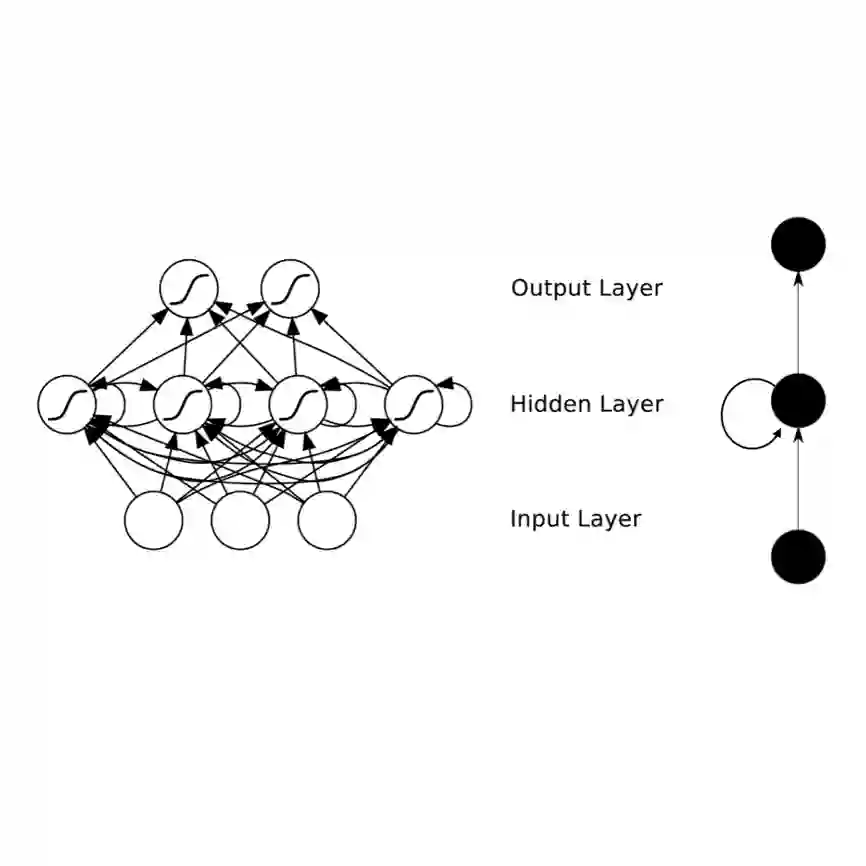
This proposed model introduces novel deep learning methodologies. The objective here is to create a reliable intrusion detection mechanism to help identify malicious attacks. Deep learning based solution framework is developed consisting of three approaches. The first approach is Long-Short Term Memory Recurrent Neural Network (LSTM-RNN) with seven optimizer functions such as adamax, SGD, adagrad, adam, RMSprop, nadam and adadelta. The model is evaluated on NSL-KDD dataset and classified multi attack classification. The model has outperformed with adamax optimizer in terms of accuracy, detection rate and low false alarm rate. The results of LSTM-RNN with adamax optimizer is compared with existing shallow machine and deep learning models in terms of accuracy, detection rate and low false alarm rate. The multi model methodology consisting of Recurrent Neural Network (RNN), Long-Short Term Memory Recurrent Neural Network (LSTM-RNN), and Deep Neural Network (DNN). The multi models are evaluated on bench mark datasets such as KDD99, NSL-KDD, and UNSWNB15 datasets. The models self-learnt the features and classifies the attack classes as multi-attack classification. The models RNN, and LSTM-RNN provide considerable performance compared to other existing methods on KDD99 and NSL-KDD dataset
翻译:本文提出的模型引入了新颖的深度学习方法,旨在构建可靠的入侵检测机制以识别恶意攻击。我们开发了基于深度学习的解决方案框架,包含三种方法。第一种方法采用长短时记忆递归神经网络(LSTM-RNN),并搭配七种优化函数,包括adamax、SGD、adagrad、adam、RMSprop、nadam和adadelta。该模型在NSL-KDD数据集上进行了评估,并实现了多攻击分类任务。模型在使用adamax优化器时,在准确率、检测率和低误报率方面表现最优。将使用adamax优化器的LSTM-RNN模型结果与现有的浅层机器学习和深度学习模型进行了对比,评估指标包括准确率、检测率和低误报率。多模型方法涵盖递归神经网络(RNN)、长短时记忆递归神经网络(LSTM-RNN)和深度神经网络(DNN)。这些多模型在KDD99、NSL-KDD和UNSW-NB15等基准数据集上进行了评估。模型能够自主学习特征,并将攻击类别归类为多攻击分类。在KDD99和NSL-KDD数据集上,RNN和LSTM-RNN模型相比现有其他方法展现出显著性能优势。




相关内容




 微信扫码咨询专知VIP会员