

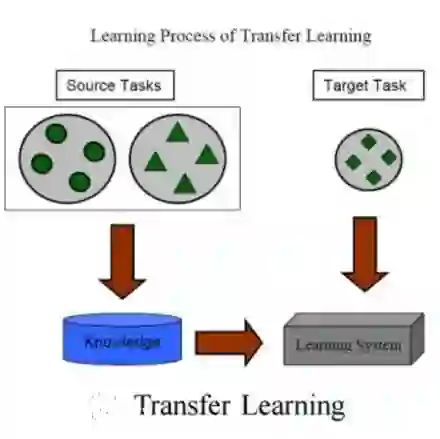
Automated depression screening and diagnosis is a highly relevant problem today. There are a number of limitations of the traditional depression detection methods, namely, high dependence on clinicians and biased self-reporting. In recent years, research has suggested strong potential in machine learning (ML) based methods that make use of the user's passive data collected via wearable devices. However, ML is data hungry. Especially in the healthcare domain primary data collection is challenging. In this work, we present an approach based on transfer learning, from a model trained on a secondary dataset, for the real time deployment of the depression screening tool based on the actigraphy data of users. This approach enables machine learning modelling even with limited primary data samples. A modified version of leave one out cross validation approach performed on the primary set resulted in mean accuracy of 0.96, where in each iteration one subject's data from the primary set was set aside for testing.
翻译:自动化抑郁筛查与诊断是当今高度相关的问题。传统抑郁检测方法存在诸多局限,包括高度依赖临床医生以及自我报告存在偏差。近年来,研究表明基于机器学习(ML)的方法在利用可穿戴设备收集的用户被动数据方面展现出巨大潜力。然而,机器学习对数据需求量极大,尤其在医疗健康领域,原始数据收集尤为困难。本文提出一种基于迁移学习的方法,该方法利用在辅助数据集上训练的模型,基于用户的体动记录仪数据实现抑郁筛查工具的实时部署。即使原始数据样本有限,该方法也能实现机器学习建模。对原始数据集采用改进的留一法交叉验证,平均准确率达到0.96,其中每次迭代会留出一个受试者的原始数据进行测试。




相关内容




 微信扫码咨询专知VIP会员