

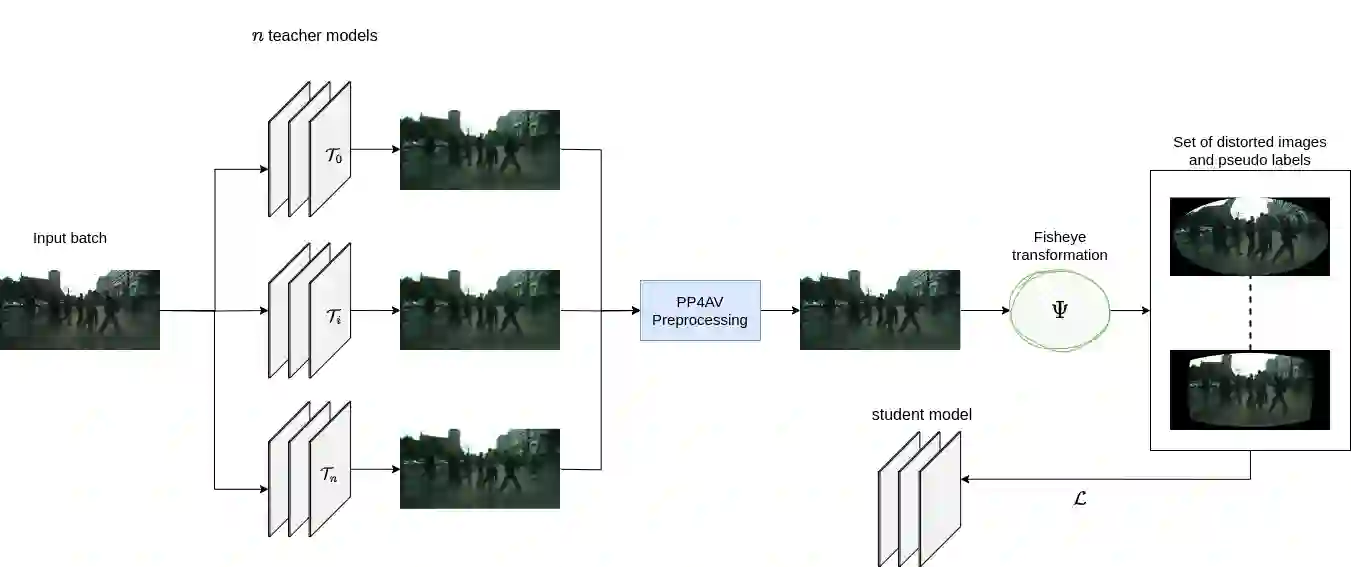
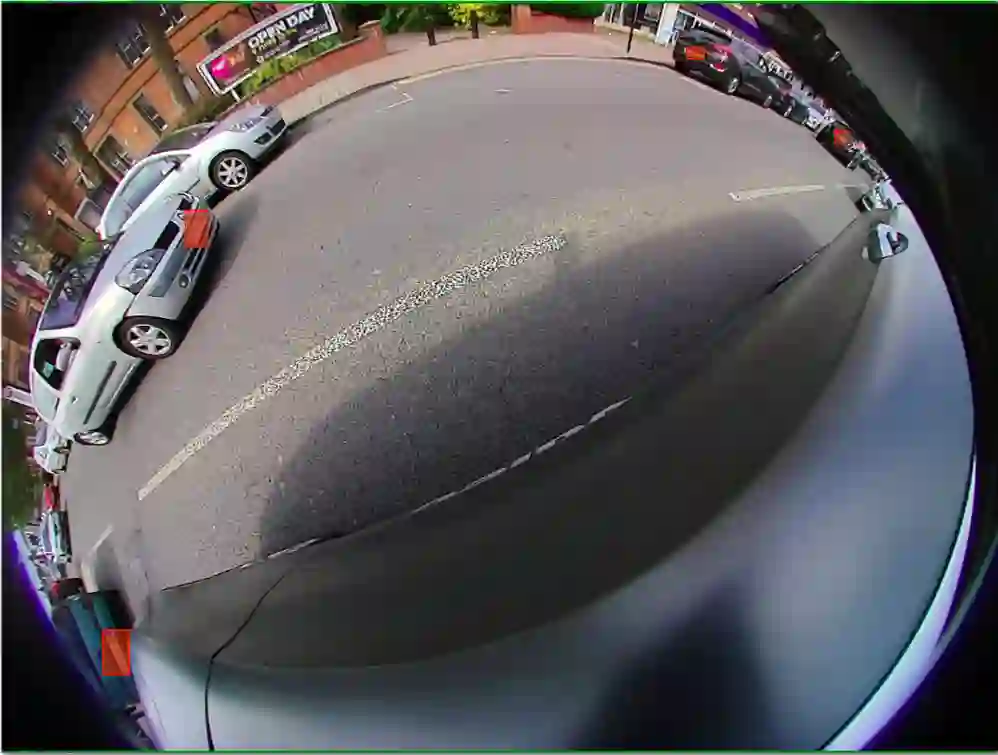
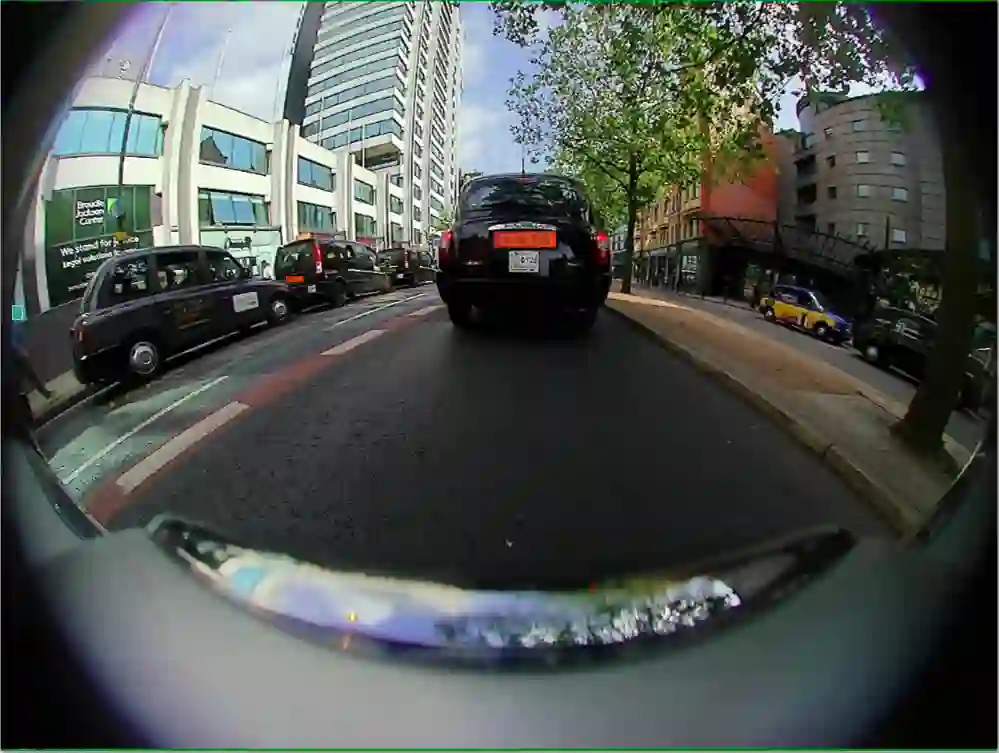
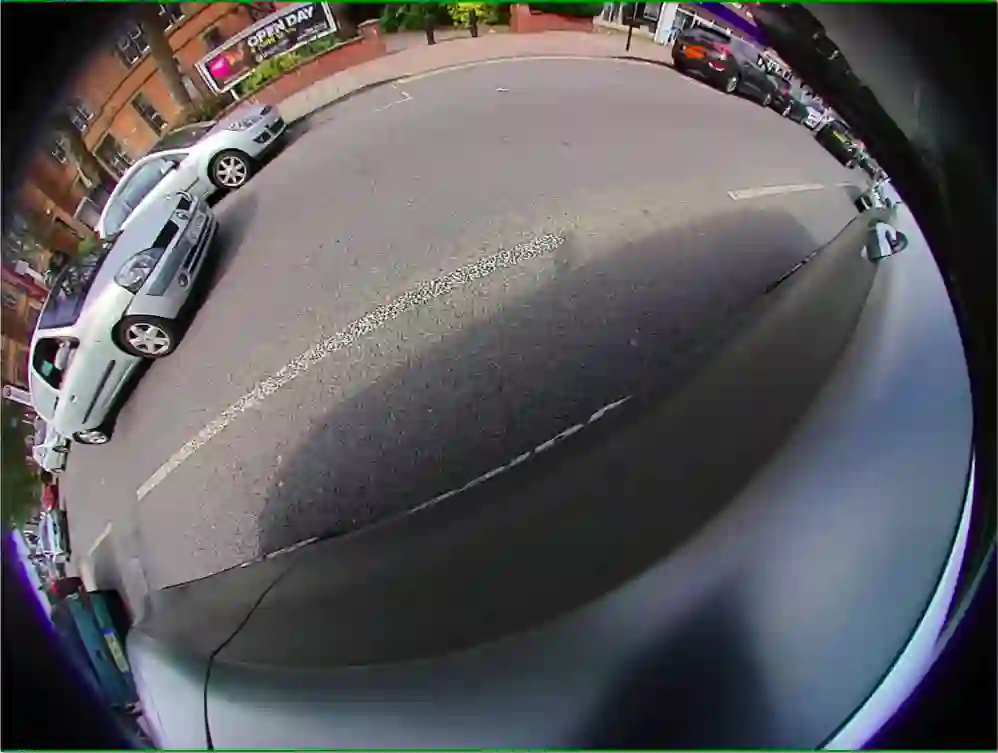
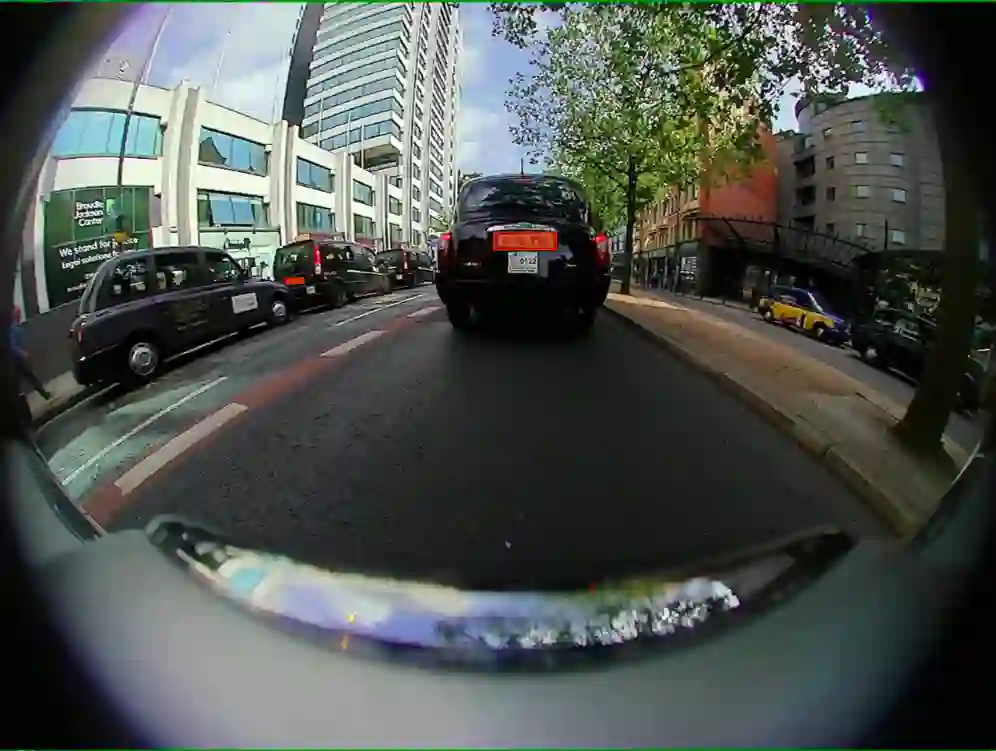
In many parts of the world, the use of vast amounts of data collected on public roadways for autonomous driving has increased. In order to detect and anonymize pedestrian faces and nearby car license plates in actual road-driving scenarios, there is an urgent need for effective solutions. As more data is collected, privacy concerns regarding it increase, including but not limited to pedestrian faces and surrounding vehicle license plates. Normal and fisheye cameras are the two common camera types that are typically mounted on collection vehicles. With complex camera distortion models, fisheye camera images were deformed in contrast to regular images. It causes computer vision tasks to perform poorly when using numerous deep learning models. In this work, we pay particular attention to protecting privacy while yet adhering to several laws for fisheye camera photos taken by driverless vehicles. First, we suggest a framework for extracting face and plate identification knowledge from several teacher models. Our second suggestion is to transform both the image and the label from a regular image to fisheye-like data using a varied and realistic fisheye transformation. Finally, we run a test using the open-source PP4AV dataset. The experimental findings demonstrated that our model outperformed baseline methods when trained on data from autonomous vehicles, even when the data were softly labeled. The implementation code is available at our github: https://github.com/khaclinh/FisheyePP4AV.
翻译:在世界许多地区,用于自动驾驶的公共道路数据采集量日益增加。为在真实道路驾驶场景中检测并匿名化行人面部及周边车辆车牌,亟需有效解决方案。随着数据量增长,其中涉及的隐私问题(包括但不限于行人面部及周边车辆车牌)愈发突出。常规相机与鱼眼相机是采集车辆通常搭载的两种常见相机类型。由于复杂的相机畸变模型,鱼眼相机图像相较于常规图像存在变形,这导致多数深度学习模型在执行计算机视觉任务时性能下降。本研究重点关注在遵循多项法规的前提下,为无人驾驶车辆采集的鱼眼相机图像提供隐私保护方案。首先,我们提出一个从多个教师模型中提取面部与车牌检测知识的框架;其次,建议采用多样化且逼真的鱼眼变换方法,将常规图像及其标注转换为类鱼眼数据;最后,我们使用开源的PP4AV数据集进行测试。实验结果表明,即便在数据采用软标签标注的情况下,我们的模型在自动驾驶车辆数据训练中仍优于基线方法。实现代码已开源至GitHub:https://github.com/khaclinh/FisheyePP4AV。




相关内容





 微信扫码咨询专知VIP会员