

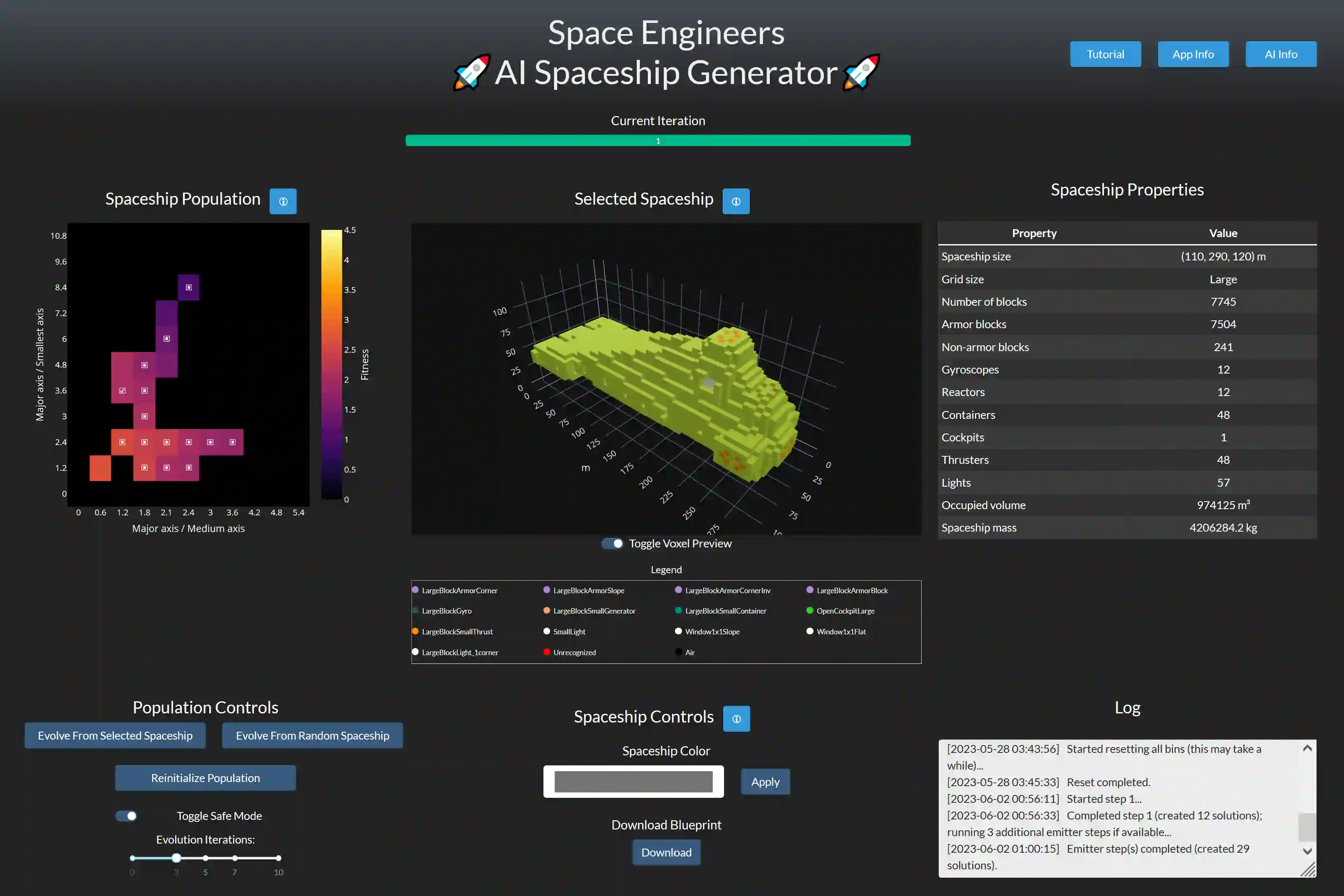
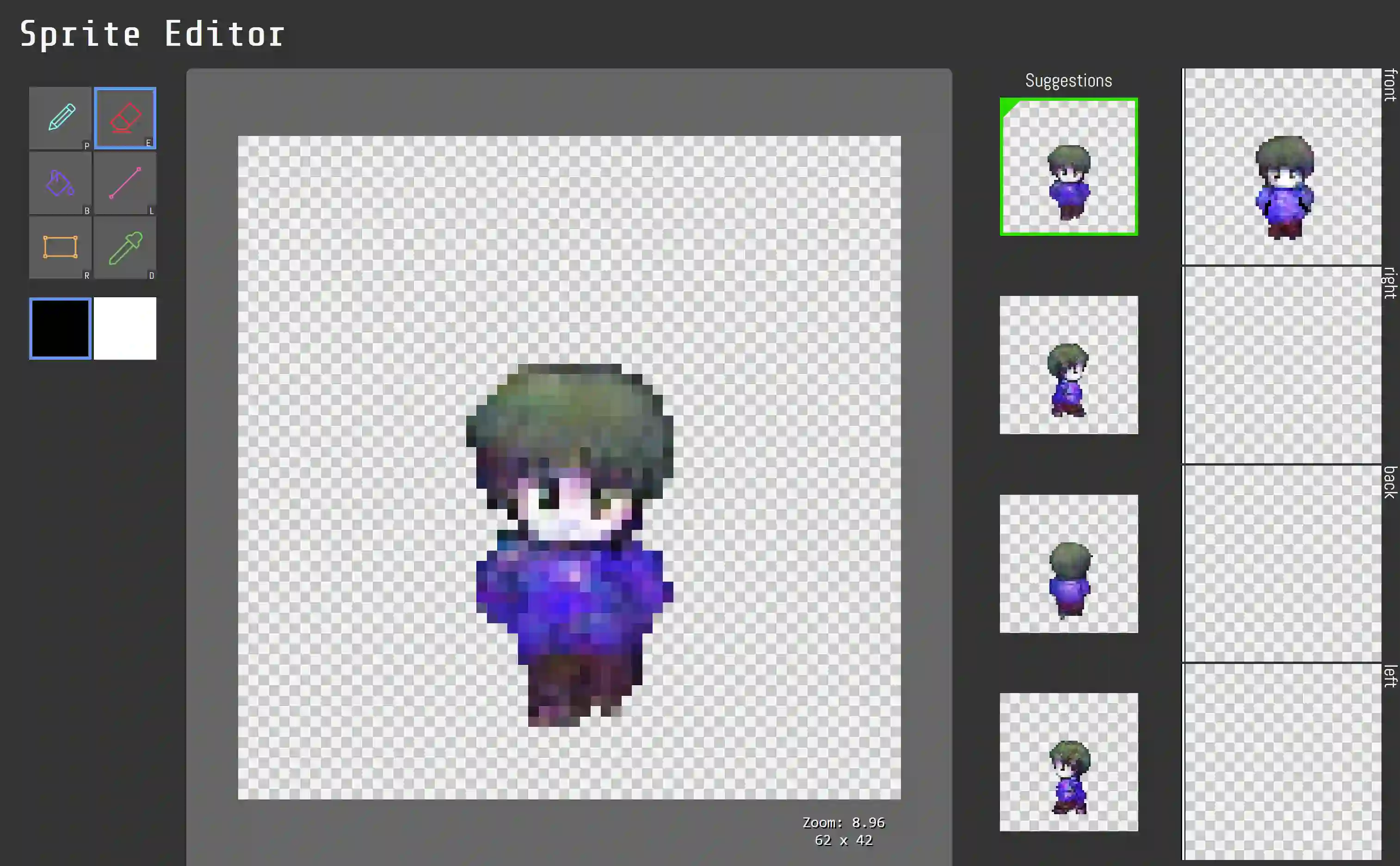
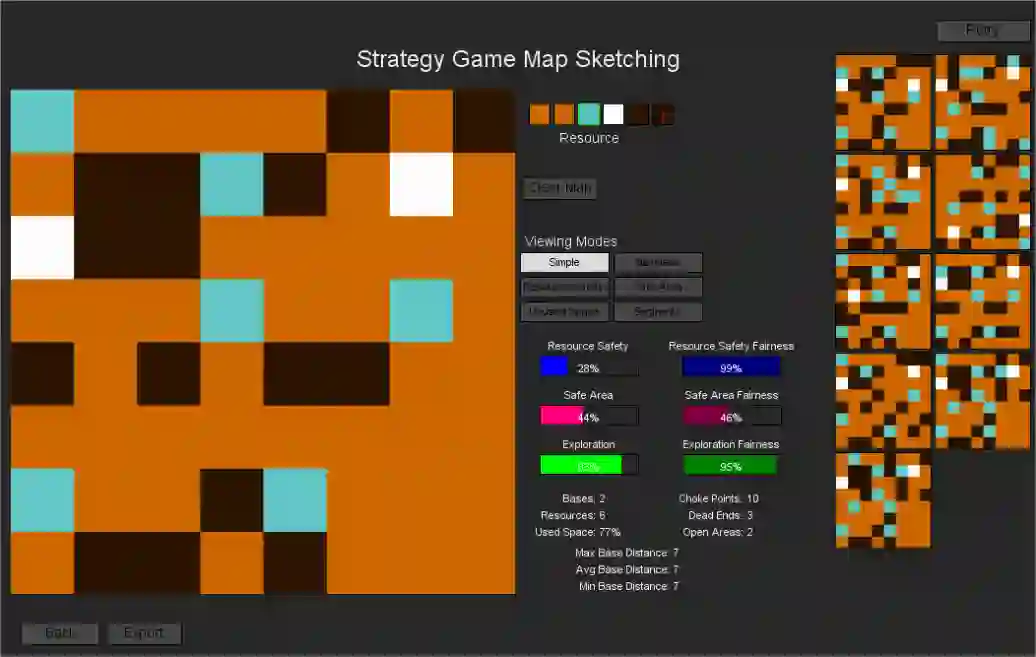
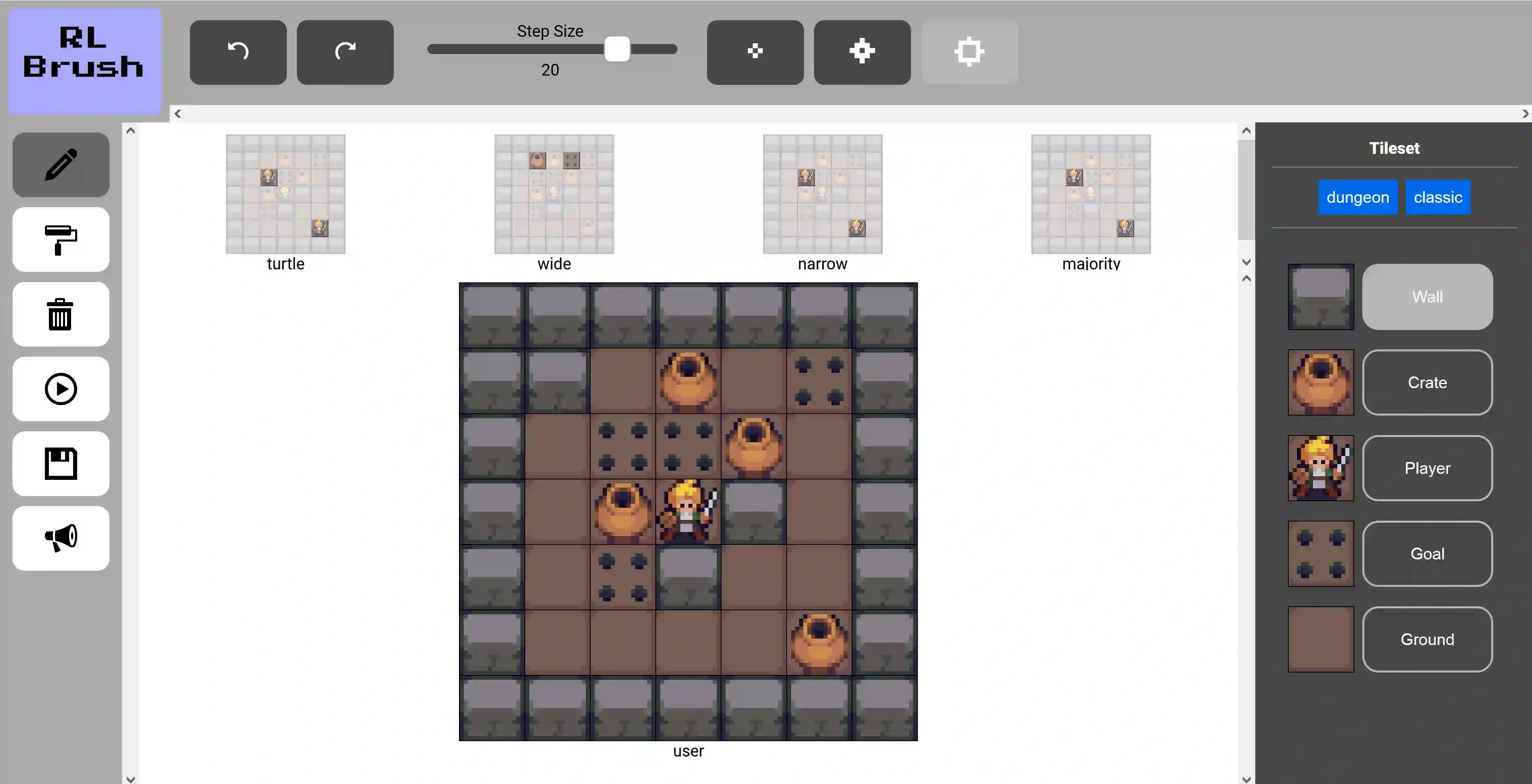
In recent years, there has been a growing application of mixed-initiative co-creative approaches in the creation of video games. The rapid advances in the capabilities of artificial intelligence (AI) systems further propel creative collaboration between humans and computational agents. In this tutorial, we present guidelines for researchers and practitioners to develop game design tools with a high degree of mixed-initiative co-creativity (MI-CCy). We begin by reviewing a selection of current works that will serve as case studies and categorize them by the type of game content they address. We introduce the MI-CCy Quantifier, a framework that can be used by researchers and developers to assess co-creative tools on their level of MI-CCy through a visual scheme of quantifiable criteria scales. We demonstrate the usage of the MI-CCy Quantifier by applying it to the selected works. This analysis enabled us to discern prevalent patterns within these tools, as well as features that contribute to a higher level of MI-CCy. We highlight current gaps in MI-CCy approaches within game design, which we propose as pivotal aspects to tackle in the development of forthcoming approaches.
翻译:近年来,混合主动性协同创作方法在视频游戏创作中的应用日益广泛。人工智能系统能力的快速进步进一步推动了人类与计算智能体之间的创造性协作。在本教程中,我们为研究人员和从业者提供开发具有高混合主动性协同创造力(MI-CCy)水平的游戏设计工具的指南。首先,我们回顾一系列当前研究作为案例,并根据其处理的游戏内容类型进行分类。我们引入MI-CCy量化器,这是一个框架,研究人员和开发者可通过可量化标准尺度的可视化方案评估协同创作工具的MI-CCy水平。我们通过将MI-CCy量化器应用于所选案例来演示其使用。这一分析使我们能够识别这些工具中的常见模式,以及有助于提升MI-CCy水平的特征。我们指出了游戏设计中MI-CCy方法当前存在的空白,并提出这些空白是开发未来方法时需要解决的关键方面。




相关内容





 微信扫码咨询专知VIP会员