

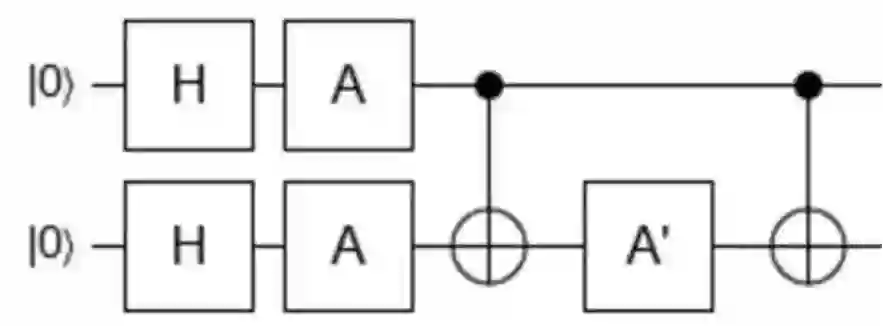
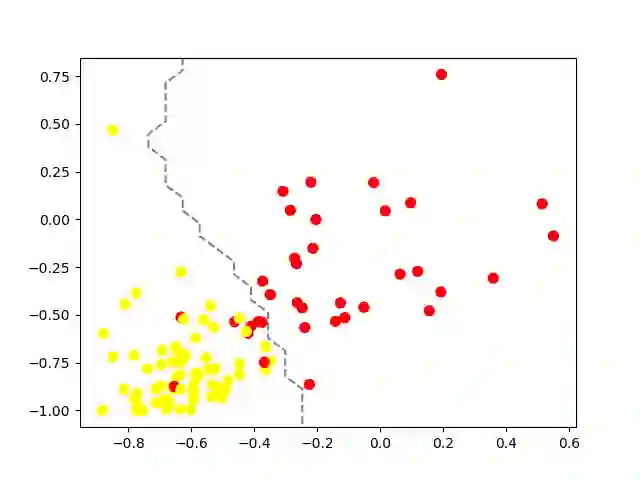
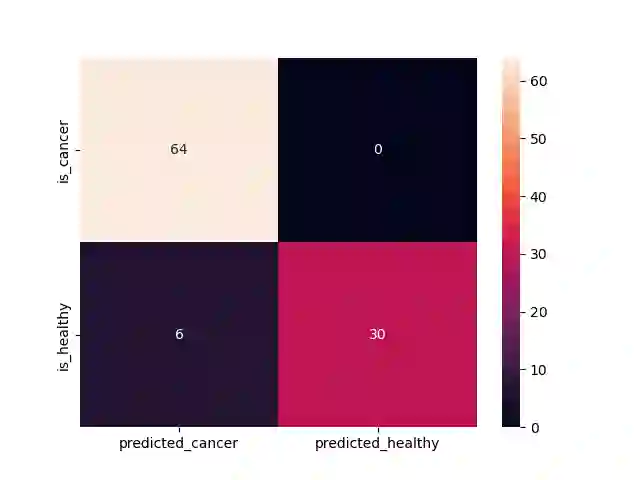
Quantum machine learning (QML) represents a promising frontier in the realm of quantum technologies. In this pursuit of quantum advantage, the quantum kernel method for support vector machine has emerged as a powerful approach. Entanglement, a fundamental concept in quantum mechanics, assumes a central role in quantum computing. In this paper, we study the necessities of entanglement gates in the quantum kernel methods. We present several fitness functions for a multi-objective genetic algorithm that simultaneously maximizes classification accuracy while minimizing both the local and non-local gate costs of the quantum feature map's circuit. We conduct comparisons with classical classifiers to gain insights into the benefits of employing entanglement gates. Surprisingly, our experiments reveal that the optimal configuration of quantum circuits for the quantum kernel method incorporates a proportional number of non-local gates for entanglement, contrary to previous literature where non-local gates were largely suppressed. Furthermore, we demonstrate that the separability indexes of data can be effectively leveraged to determine the number of non-local gates required for the quantum support vector machine's feature maps. This insight can significantly aid in selecting appropriate parameters, such as the entanglement parameter, in various quantum programming packages like https://qiskit.org/ based on data analysis. Our findings offer valuable guidance for enhancing the efficiency and accuracy of quantum machine learning algorithm
翻译:量子机器学习(QML)代表了量子技术领域一个充满希望的前沿方向。在追求量子优势的过程中,用于支持向量机的量子核方法已展现出强大的潜力。纠缠作为量子力学中的基本概念,在量子计算中扮演着核心角色。本文研究了量子核方法中纠缠门的必要性。我们提出了用于多目标遗传算法的若干适应度函数,该算法能在最大化分类准确率的同时,最小化量子特征映射电路中的局域和非局域门成本。通过与经典分类器的对比分析,我们深入探究了使用纠缠门的优势。令人惊讶的是,实验结果表明:量子核方法的最优量子电路配置需要按比例引入非局域门来实现纠缠,这与以往文献中大量抑制非局域门的做法截然不同。此外,我们证明可以有效地利用数据的可分性指数来确定量子支持向量机特征映射所需的非局域门数量。这一发现可显著帮助基于数据分析的各类量子编程框架(如https://qiskit.org/)中纠缠参数等相关参数的选取。我们的研究结果为提升量子机器学习算法的效率与准确性提供了有价值的指导。





相关内容


 微信扫码咨询专知VIP会员