

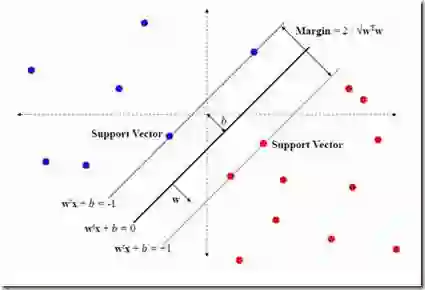
We introduce an advanced, swift pattern recognition strategy for various multiple robotics during curve negotiation. This method, leveraging a sophisticated k-means clustering-enhanced Support Vector Machine algorithm, distinctly categorizes robotics into flying or mobile robots. Initially, the paradigm considers robot locations and features as quintessential parameters indicative of divergent robot patterns. Subsequently, employing the k-means clustering technique facilitates the efficient segregation and consolidation of robotic data, significantly optimizing the support vector delineation process and expediting the recognition phase. Following this preparatory phase, the SVM methodology is adeptly applied to construct a discriminative hyperplane, enabling precise classification and prognostication of the robot category. To substantiate the efficacy and superiority of the k-means framework over traditional SVM approaches, a rigorous cross-validation experiment was orchestrated, evidencing the former's enhanced performance in robot group classification.
翻译:我们提出了一种用于多机器人在曲线协商过程中的高级快速模式识别策略。该方法利用改进的k-means聚类增强支持向量机算法,将机器人明确区分为飞行机器人或移动机器人。首先,该框架将机器人的位置和特征视为表征不同机器人模式的关键参数。随后,运用k-means聚类技术有效实现机器人数据的分离与整合,显著优化支持向量界定过程并加快识别阶段。在此准备阶段之后,SVM方法被巧妙应用于构建判别超平面,从而实现机器人类别的精确分类与预测。为验证k-means框架相较于传统SVM方法的有效性和优越性,我们进行了严格的交叉验证实验,结果证明前者在机器人分组分类中具有更优性能。




相关内容



 微信扫码咨询专知VIP会员