

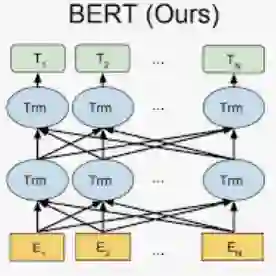
The number of Hindi speakers on social media has increased dramatically in recent years. Regret is a common emotional experience in our everyday life. Many speakers on social media, share their regretful experiences and opinions regularly. It might cause a re-evaluation of one's choices and a desire to make a different option if given the chance. As a result, knowing the source of regret is critical for investigating its impact on behavior and decision-making. This study focuses on regret and how it is expressed, specifically in Hindi, on various social media platforms. In our study, we present a novel dataset from three different sources, where each sentence has been manually classified into one of three classes "Regret by action", "Regret by inaction", and "No regret". Next, we use this dataset to investigate the linguistic expressions of regret in Hindi text and also identify the textual domains that are most frequently associated with regret. Our findings indicate that individuals on social media platforms frequently express regret for both past inactions and actions, particularly within the domain of interpersonal relationships. We use a pre-trained BERT model to generate word embeddings for the Hindi dataset and also compare deep learning models with conventional machine learning models in order to demonstrate accuracy. Our results show that BERT embedding with CNN consistently surpassed other models. This described the effectiveness of BERT for conveying the context and meaning of words in the regret domain.
翻译:近年来,社交媒体上印地语使用者的数量急剧增加。悔恨是我们日常生活中常见的情感体验。许多社交媒体用户经常分享他们的悔恨经历和观点。这可能导致对自己选择的重新评估,以及若有機會可能做出不同选择的愿望。因此,了解悔恨的根源对于研究其对行为和决策的影响至关重要。本研究聚焦于悔恨及其表达方式,特别是在各种社交媒体平台上的印地语表达。在我们的研究中,我们提出了一个来自三个不同来源的新数据集,其中每个句子被人工分类为三类之一:“因行动而悔恨”、“因不作为而悔恨”和“无悔恨”。接下来,我们利用该数据集研究印地语文本中悔恨的语言表达方式,并识别出最常与悔恨相关的文本领域。我们的研究结果表明,社交媒体平台上的个体经常表达对过去不作为和行动的悔恨,尤其是在人际关系领域。我们使用预训练的BERT模型为印地语数据集生成词嵌入,并比较深度学习模型与传统机器学习模型以展示准确性。我们的结果表明,基于CNN的BERT嵌入始终优于其他模型。这揭示了BERT在传达悔恨领域中词语上下文和含义方面的有效性。




相关内容




 微信扫码咨询专知VIP会员