

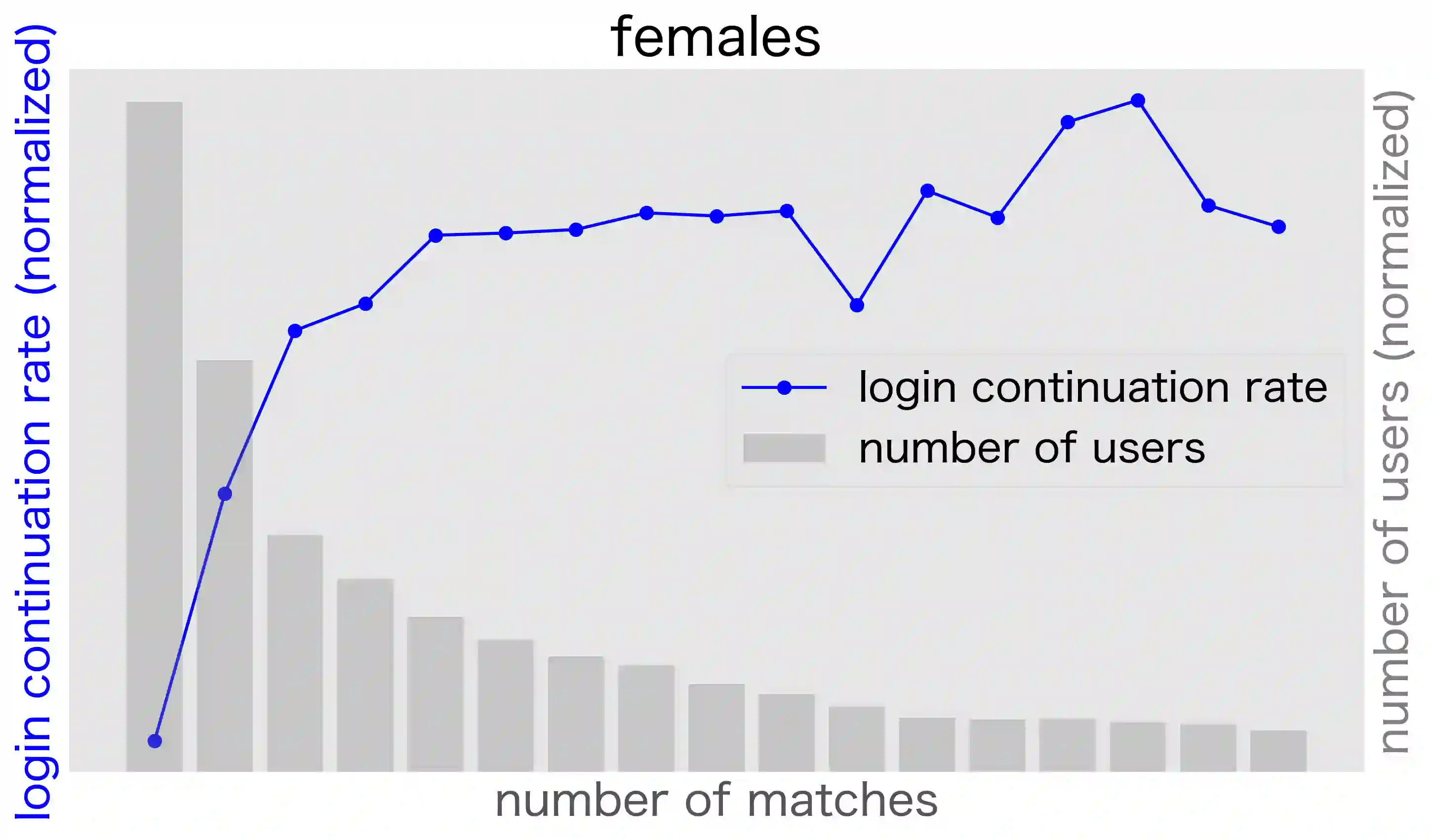
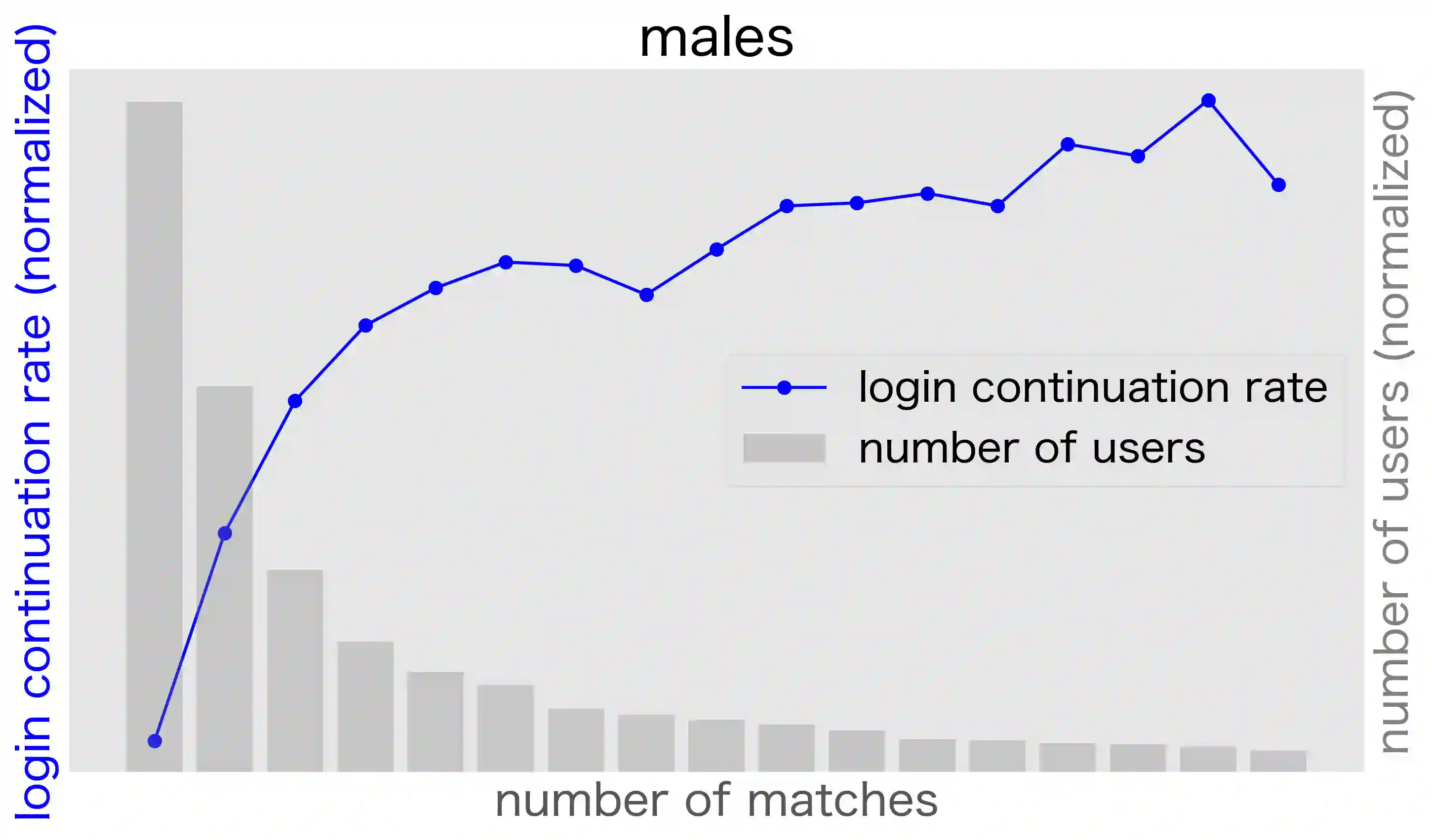
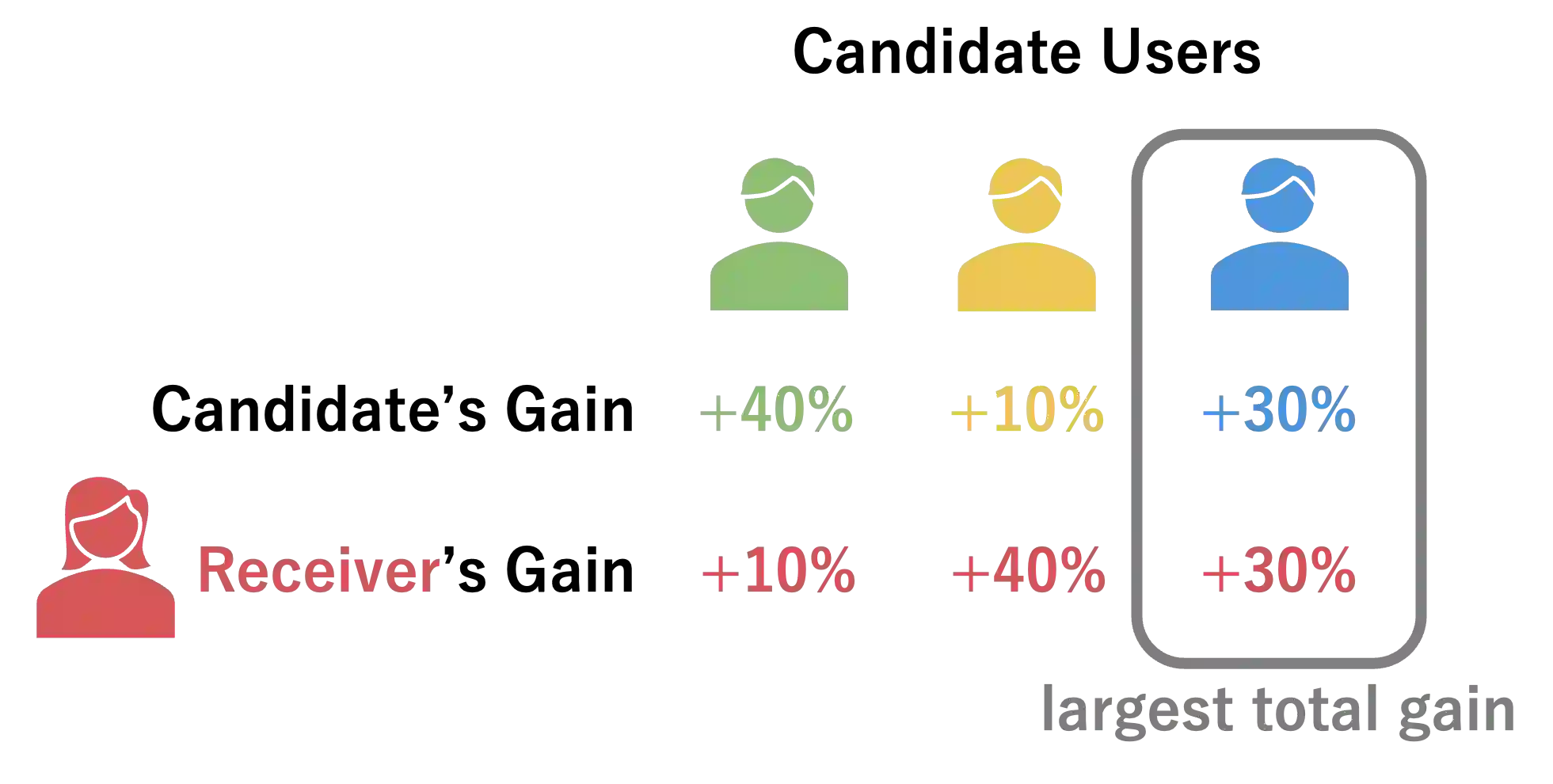
On two-sided matching platforms such as online dating and recruiting, recommendation algorithms often aim to maximize the total number of matches. However, this objective creates an imbalance, where some users receive far too many matches while many others receive very few and eventually abandon the platform. Retaining users is crucial for many platforms, such as those that depend heavily on subscriptions. Some may use fairness objectives to solve the problem of match maximization. However, fairness in itself is not the ultimate objective for many platforms, as users do not suddenly reward the platform simply because exposure is equalized. In practice, where user retention is often the ultimate goal, casually relying on fairness will leave the optimization of retention up to luck. In this work, instead of maximizing matches or axiomatically defining fairness, we formally define the new problem setting of maximizing user retention in two-sided matching platforms. To this end, we introduce a dynamic learning-to-rank (LTR) algorithm called Matching for Retention (MRet). Unlike conventional algorithms for two-sided matching, our approach models user retention by learning personalized retention curves from each user's profile and interaction history. Based on these curves, MRet dynamically adapts recommendations by jointly considering the retention gains of both the user receiving recommendations and those who are being recommended, so that limited matching opportunities can be allocated where they most improve overall retention. Naturally but importantly, empirical evaluations on synthetic and real-world datasets from a major online dating platform show that MRet achieves higher user retention, since conventional methods optimize matches or fairness rather than retention.
翻译:在在线约会和招聘等双边匹配平台上,推荐算法通常以最大化匹配总数为目标。然而,这一目标会造成失衡:部分用户获得过多匹配,而许多其他用户获得极少匹配并最终流失。用户留存对许多平台至关重要,尤其是那些高度依赖订阅收入的平台。部分平台可能采用公平性目标来解决匹配最大化带来的问题。然而,公平性本身并非多数平台的终极目标,因为用户不会仅因曝光度均等化而立即回馈平台。在实践中,当用户留存常被视为最终目标时,随意依赖公平性将使留存优化沦为偶然。本研究中,我们摒弃了匹配最大化或公理化定义公平性的传统思路,正式提出了双边匹配平台中用户留存最大化的新问题框架。为此,我们提出了一种名为"面向留存的匹配"(MRet)的动态学习排序算法。与传统的双边匹配算法不同,我们的方法通过从用户画像和交互历史中学习个性化留存曲线来建模用户留存。基于这些曲线,MRet通过联合考量推荐接收方与被推荐方的留存收益,动态调整推荐策略,从而将有限的匹配机会分配到最能提升整体留存率的场景中。值得强调的是,在来自主流在线约会平台的合成数据集和真实数据集上的实证评估表明:由于传统方法仅优化匹配数或公平性而非留存率,MRet能实现更高的用户留存水平。






相关内容





 微信扫码咨询专知VIP会员