

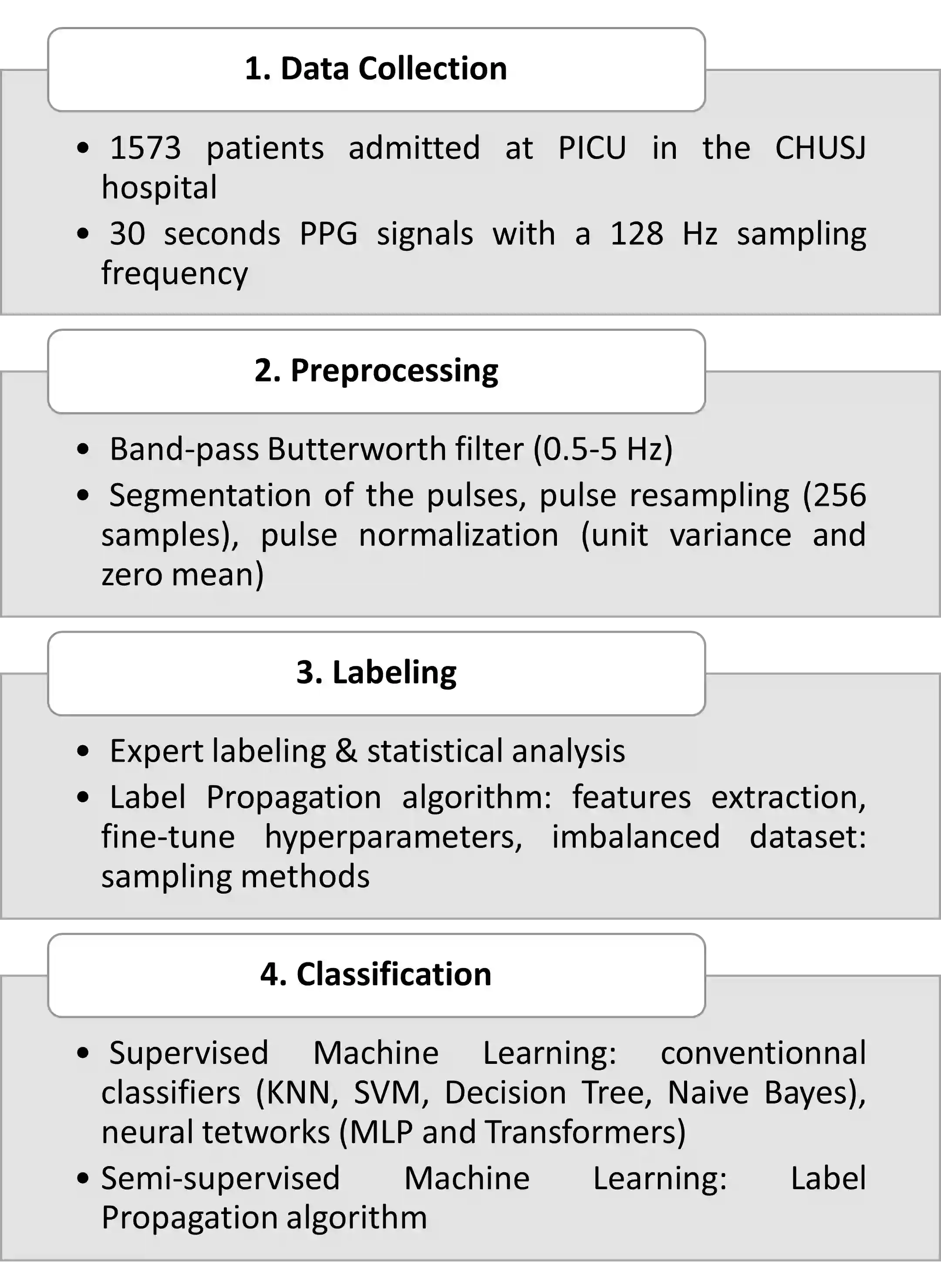
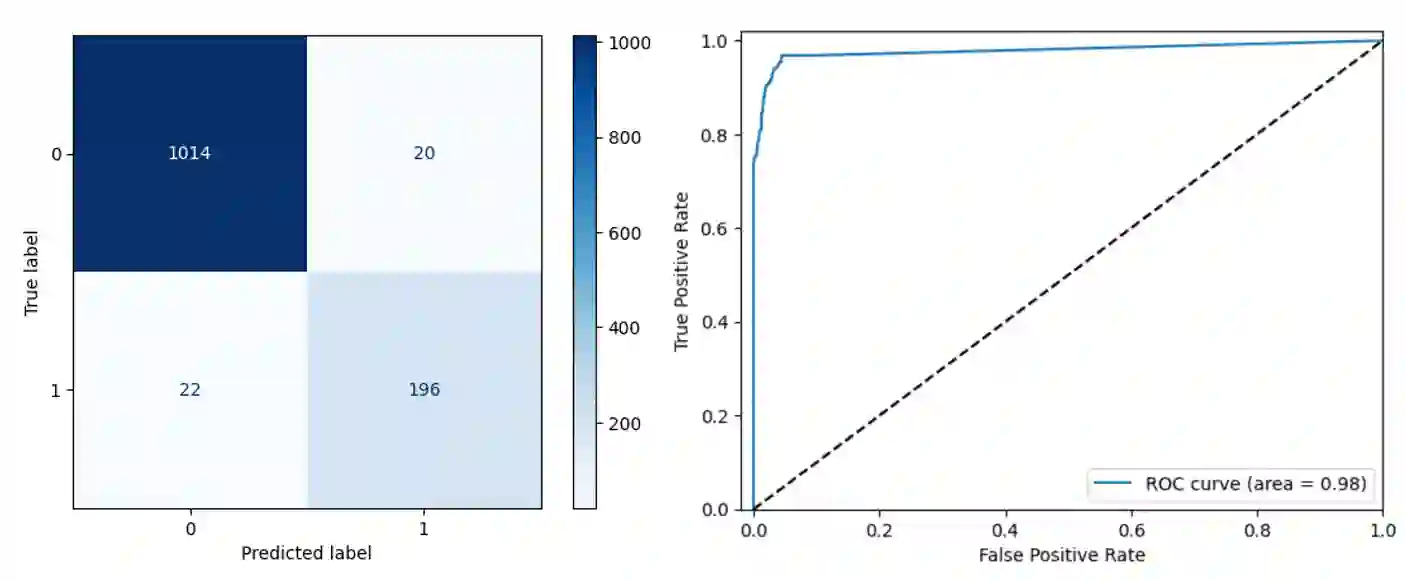
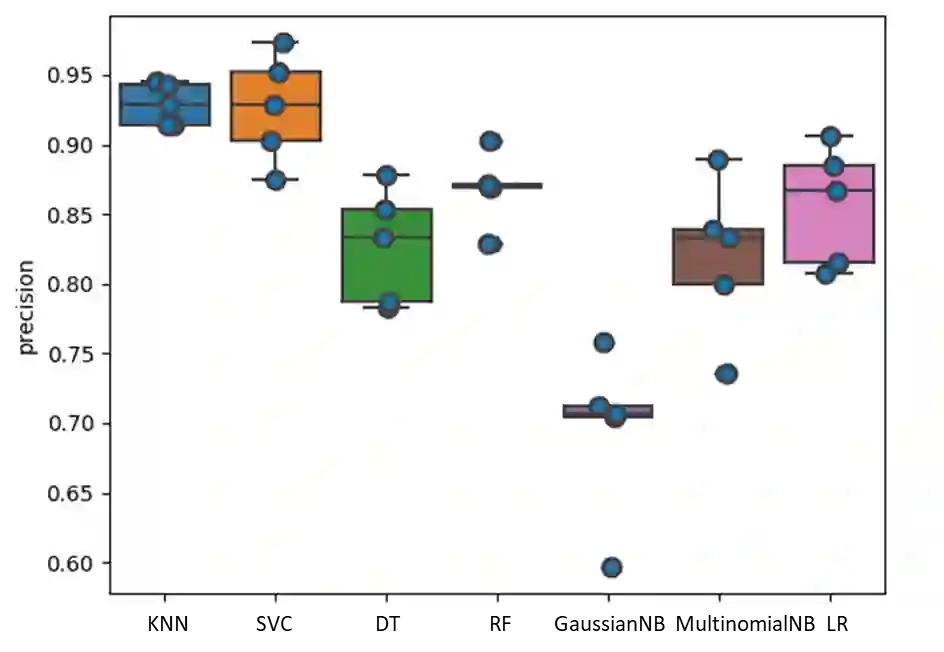
Photoplethysmogram (PPG) signals are widely used in healthcare for monitoring vital signs, but they are susceptible to motion artifacts that can lead to inaccurate interpretations. In this study, the use of label propagation techniques to propagate labels among PPG samples is explored, particularly in imbalanced class scenarios where clean PPG samples are significantly outnumbered by artifact-contaminated samples. With a precision of 91%, a recall of 90% and an F1 score of 90% for the class without artifacts, the results demonstrate its effectiveness in labeling a medical dataset, even when clean samples are rare. For the classification of artifacts our study compares supervised classifiers such as conventional classifiers and neural networks (MLP, Transformers, FCN) with the semi-supervised label propagation algorithm. With a precision of 89%, a recall of 95% and an F1 score of 92%, the KNN supervised model gives good results, but the semi-supervised algorithm performs better in detecting artifacts. The findings suggest that the semi-supervised algorithm label propagation hold promise for artifact detection in PPG signals, which can enhance the reliability of PPG-based health monitoring systems in real-world applications.
翻译:光电容积脉搏波(PPG)信号广泛应用于医疗健康领域中的生命体征监测,但容易受到运动伪迹干扰,导致解读不准确。本研究探索了在PPG样本间传播标签的标签传播技术,特别是在干净PPG样本数量显著少于伪迹污染样本的不平衡类别场景中。对无伪迹类别,该方法实现了91%的精确率、90%的召回率和90%的F1分数,证明其在标记医疗数据集(即使干净样本稀少)时的有效性。在伪迹分类方面,本研究比较了监督分类器(如传统分类器和神经网络:MLP、Transformer、FCN)与半监督标签传播算法的表现。KNN监督模型取得了89%的精确率、95%的召回率和92%的F1分数,但半监督算法在检测伪迹时表现更优。研究结果表明,半监督标签传播算法在PPG信号伪迹检测中具有应用前景,可提升基于PPG的健康监测系统在实际应用中的可靠性。




相关内容



 微信扫码咨询专知VIP会员