

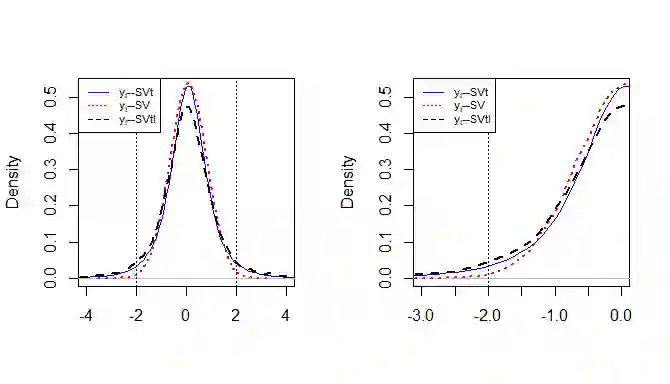
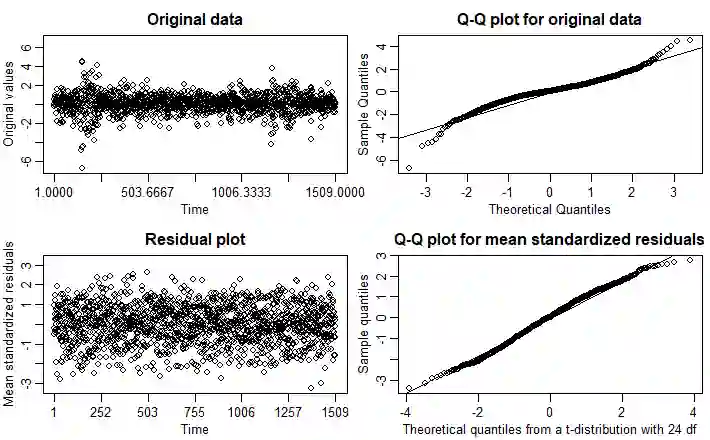
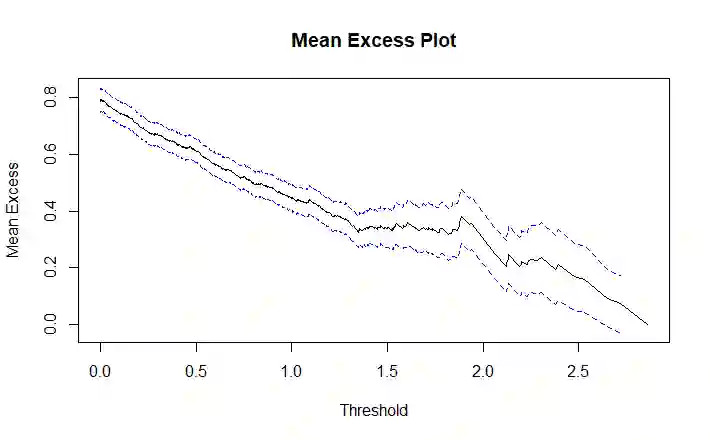
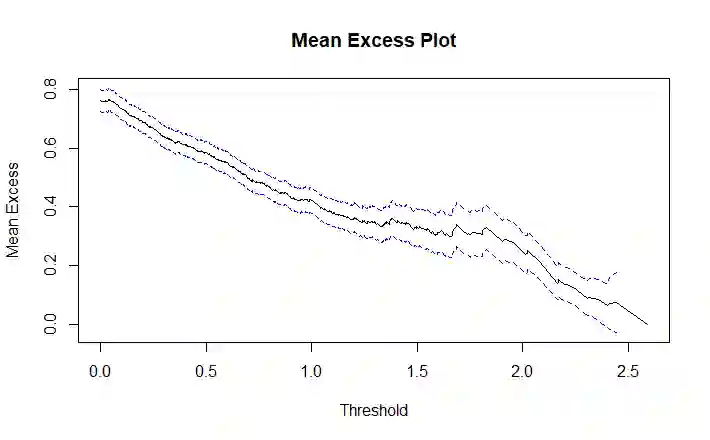
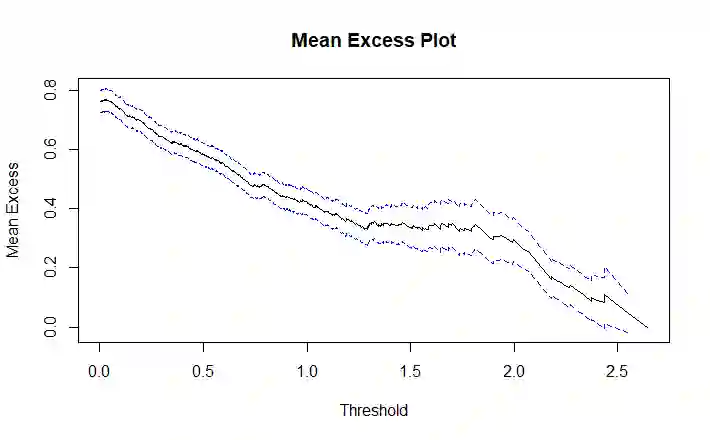
This paper aims to characterize the typical factual characteristics of financial market returns and volatility and address the problem that the tail characteristics of asset returns have been not sufficiently considered, as an attempt to more effectively avoid risks and productively manage stock market risks. Thus, in this paper, the fat-tailed distribution and the leverage effect are introduced into the SV model. Next, the model parameters are estimated through MCMC. Subsequently, the fat-tailed distribution of financial market returns is comprehensively characterized and then incorporated with extreme value theory to fit the tail distribution of standard residuals. Afterward, a new financial risk measurement model is built, which is termed the SV-EVT-VaR-based dynamic model. With the use of daily S&P 500 index and simulated returns, the empirical results are achieved, which reveal that the SV-EVT-based models can outperform other models for out-of-sample data in backtesting and depicting the fat-tailed property of financial returns and leverage effect.
翻译:本文旨在刻画金融市场收益率与波动率的典型事实特征,并解决资产收益率尾部特征未被充分考虑的问题,以期更有效地规避风险并对股市风险进行高效管理。为此,本文将厚尾分布与杠杆效应引入SV模型,接着通过MCMC进行模型参数估计,随后全面刻画金融市场收益率的厚尾分布,并结合极值理论拟合标准残差的尾部分布。在此基础上,构建新的金融风险度量模型——基于SV-EVT-VaR的动态模型。利用标普500指数日收益率与模拟收益率进行实证分析,结果表明:在回测中,基于SV-EVT的模型在样本外数据预测表现上优于其他模型,并能有效刻画金融收益率的厚尾特性与杠杆效应。




相关内容





 微信扫码咨询专知VIP会员