

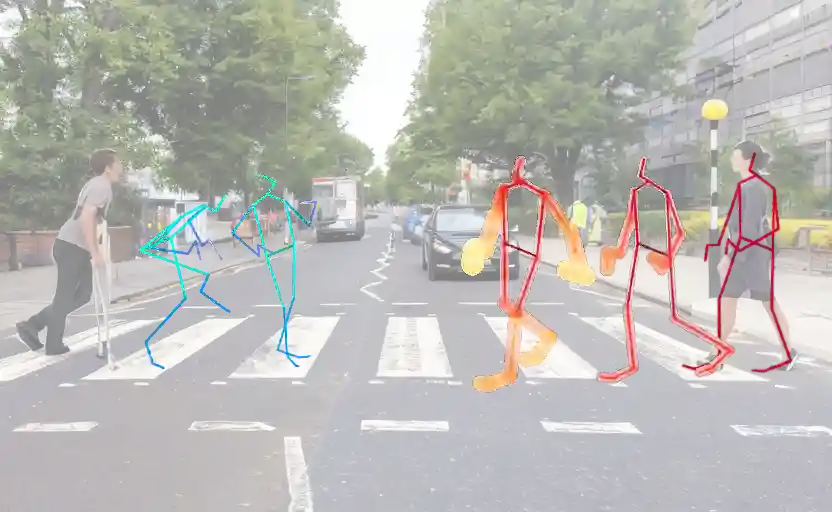
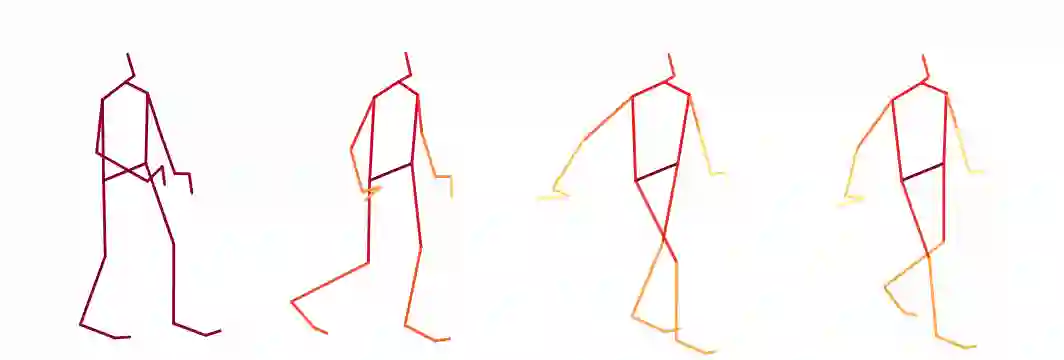
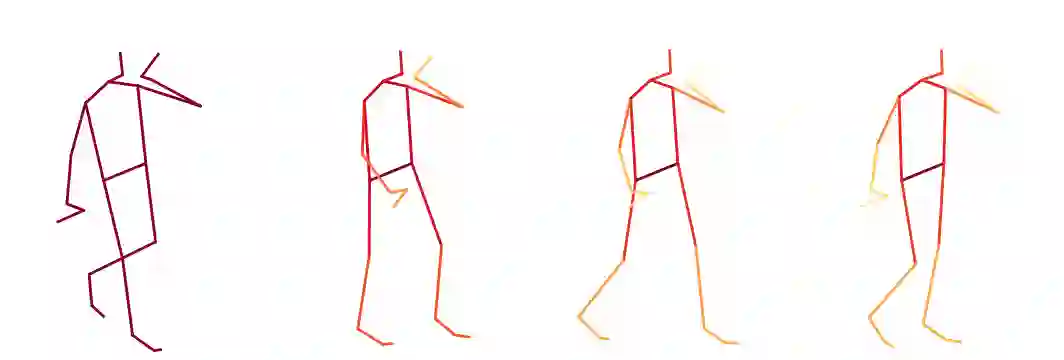
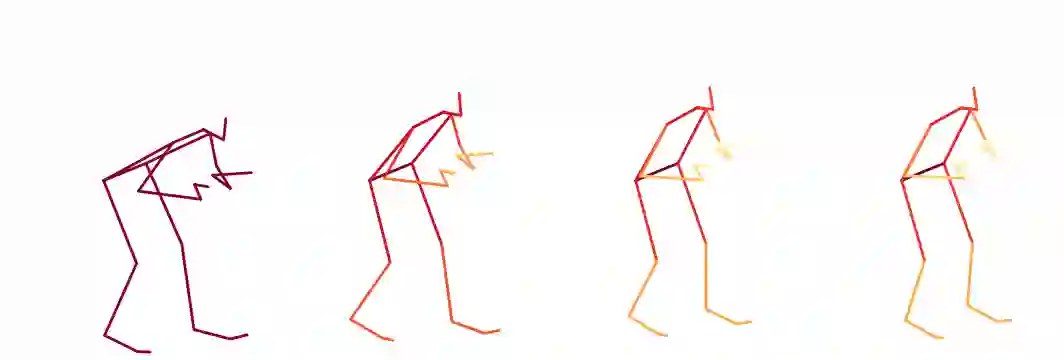
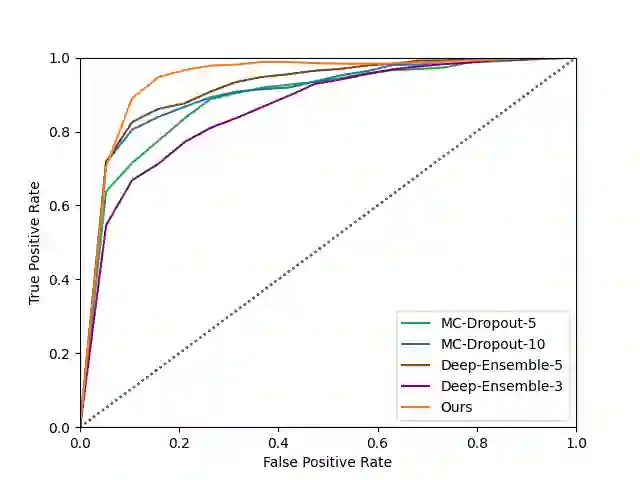
Recently, there has been an arms race of pose forecasting methods aimed at solving the spatio-temporal task of predicting a sequence of future 3D poses of a person given a sequence of past observed ones. However, the lack of unified benchmarks and limited uncertainty analysis have hindered progress in the field. To address this, we first develop an open-source library for human pose forecasting, featuring multiple models, datasets, and standardized evaluation metrics, with the aim of promoting research and moving toward a unified and fair evaluation. Second, we devise two types of uncertainty in the problem to increase performance and convey better trust: 1) we propose a method for modeling aleatoric uncertainty by using uncertainty priors to inject knowledge about the behavior of uncertainty. This focuses the capacity of the model in the direction of more meaningful supervision while reducing the number of learned parameters and improving stability; 2) we introduce a novel approach for quantifying the epistemic uncertainty of any model through clustering and measuring the entropy of its assignments. Our experiments demonstrate up to $25\%$ improvements in accuracy and better performance in uncertainty estimation.
翻译:近年来,姿态预测方法领域展开了一场军备竞赛,旨在解决基于过去观测到的姿态序列预测未来3D人体姿态序列的时空任务。然而,统一基准的缺乏以及有限的不确定性分析阻碍了该领域的进展。为解决这一问题,我们首先开发了一个用于人体姿态预测的开源库,涵盖多种模型、数据集和标准化评估指标,旨在推动研究并迈向统一公平的评估。其次,我们在该问题中构建了两种类型的不确定性以提升性能并增强可信度:1)我们提出一种通过不确定性先验来建模偶然不确定性的方法,用于注入关于不确定性行为的知识。此举可将模型能力聚焦于更具意义的监督方向,同时减少学习参数数量并提高稳定性;2)我们引入一种新方法,通过聚类并测量其分配的熵来量化任意模型的认知不确定性。实验表明,我们的方法在准确性上实现了高达25%的提升,并在不确定性估计方面表现出更优的性能。




相关内容

 微信扫码咨询专知VIP会员