

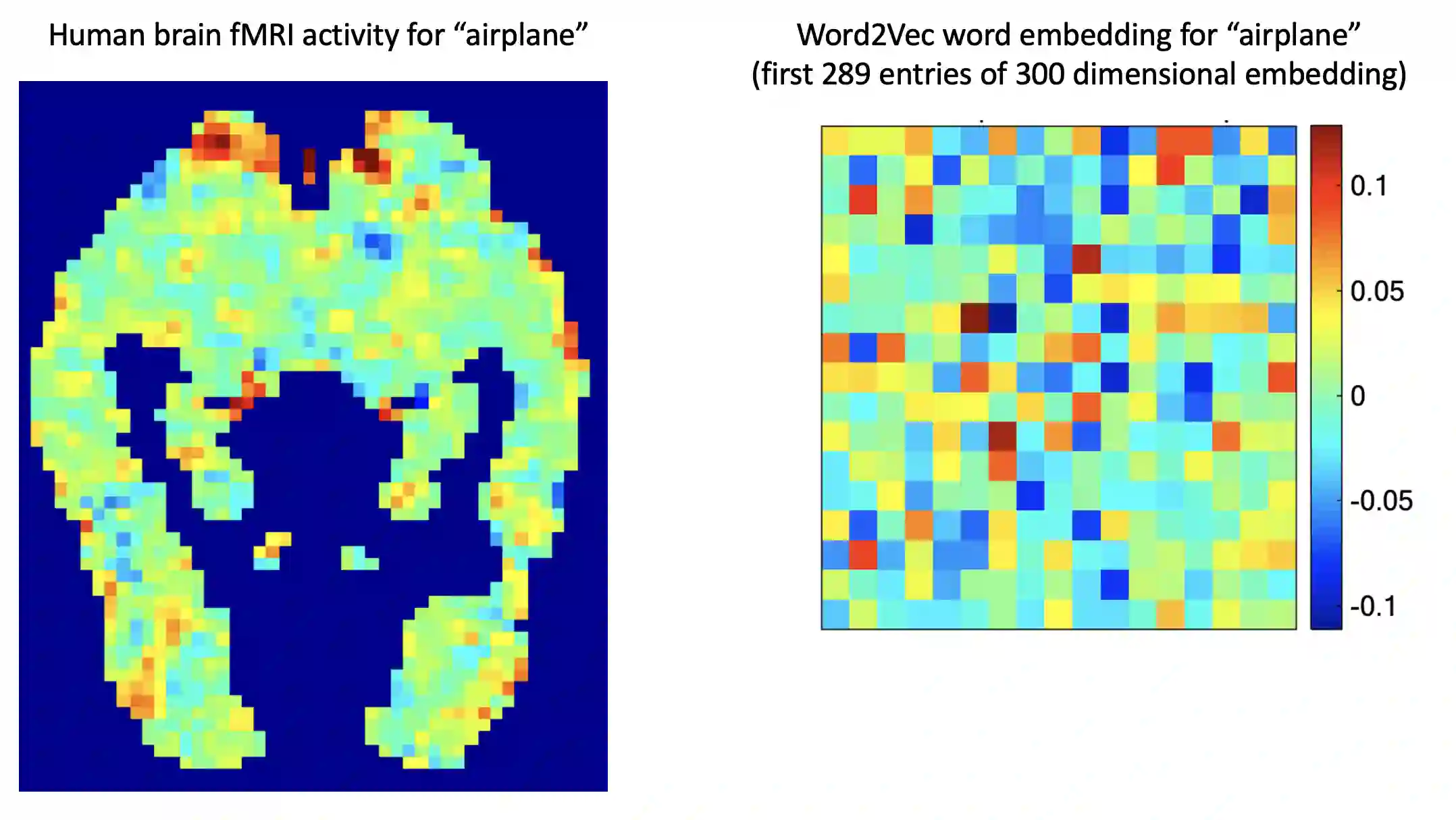
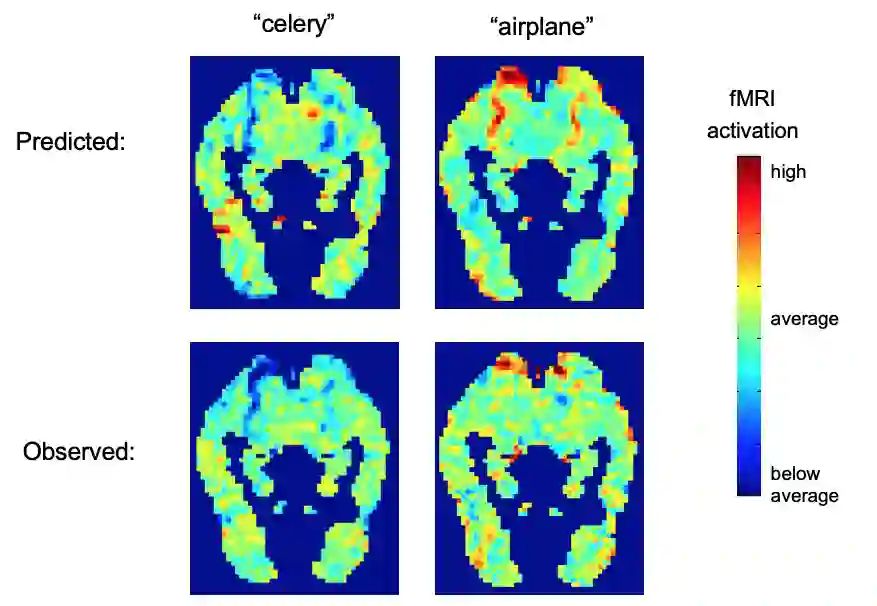
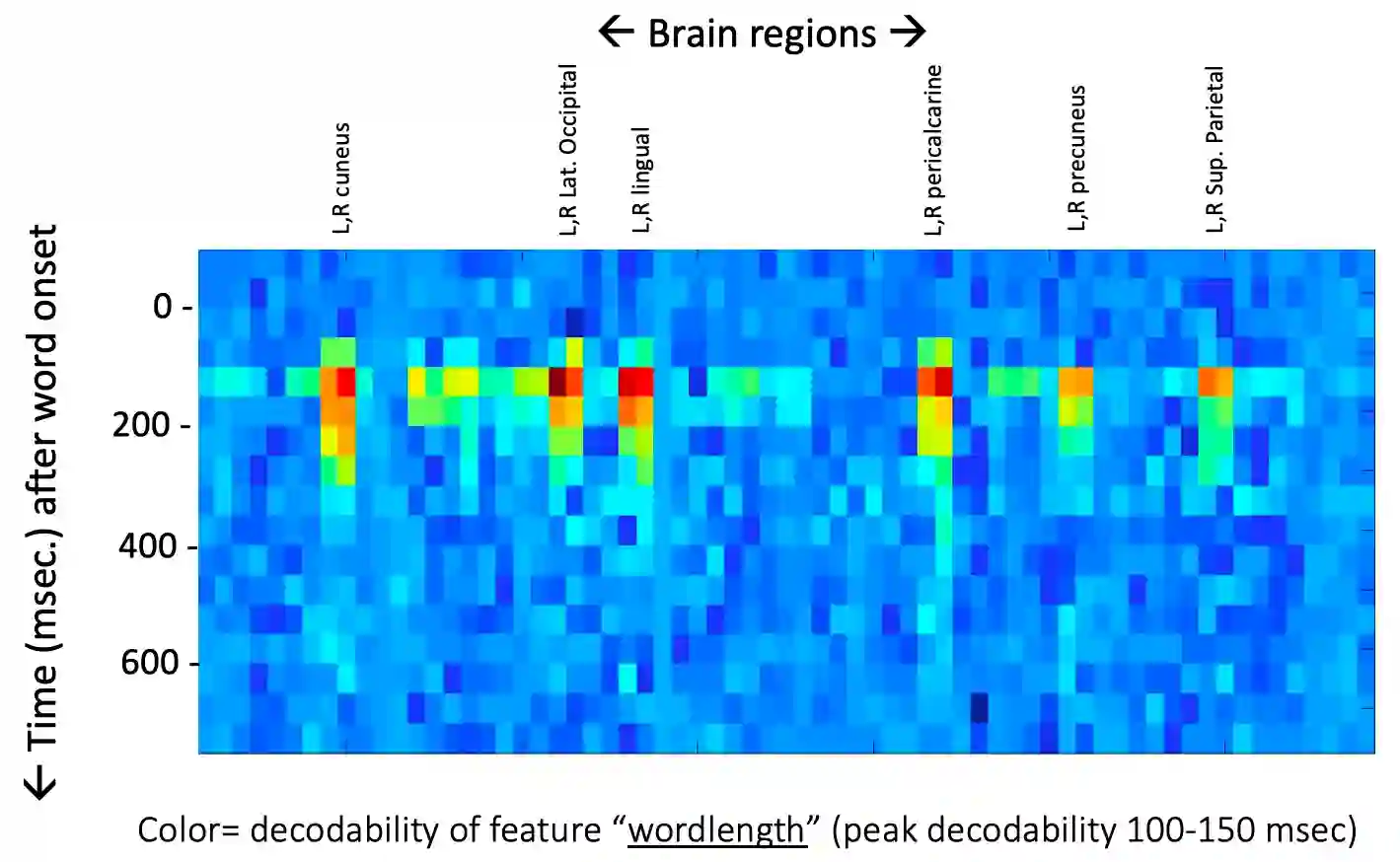
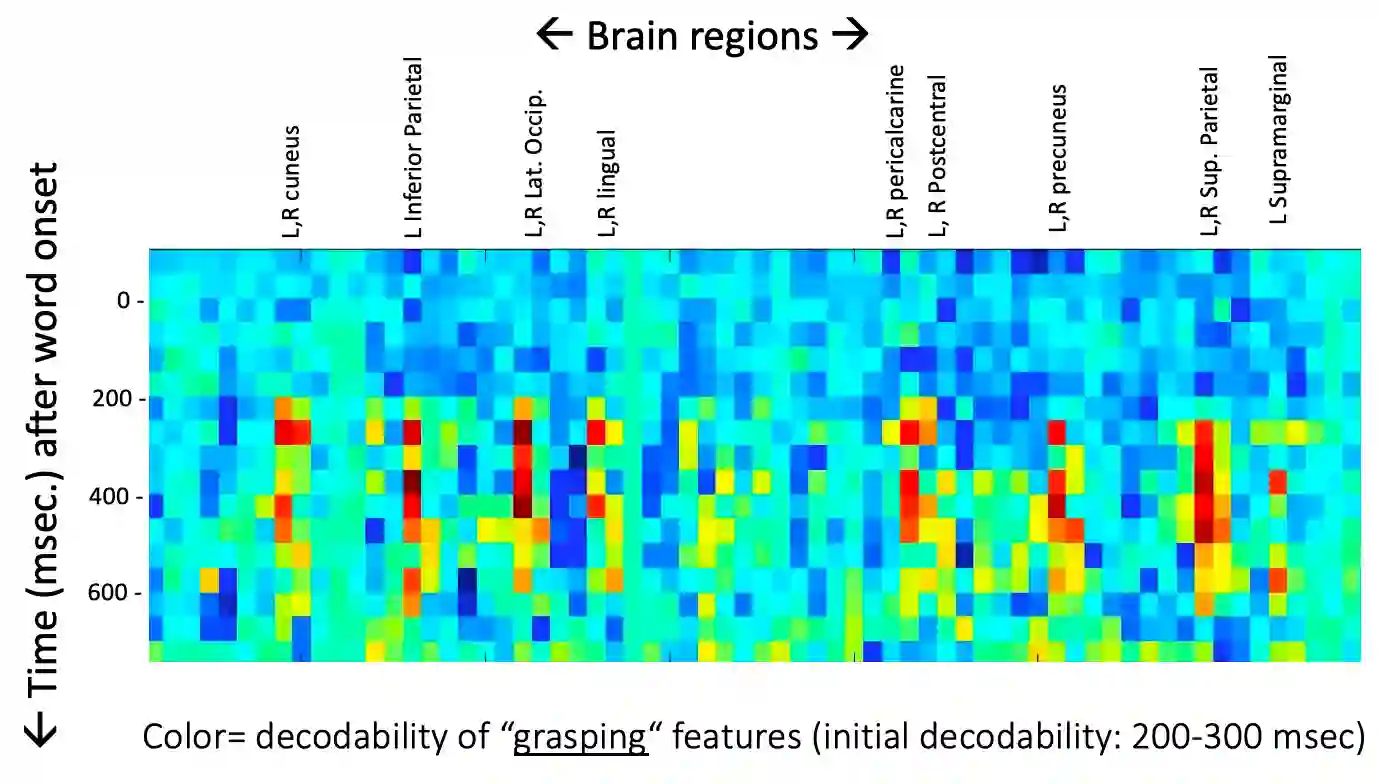
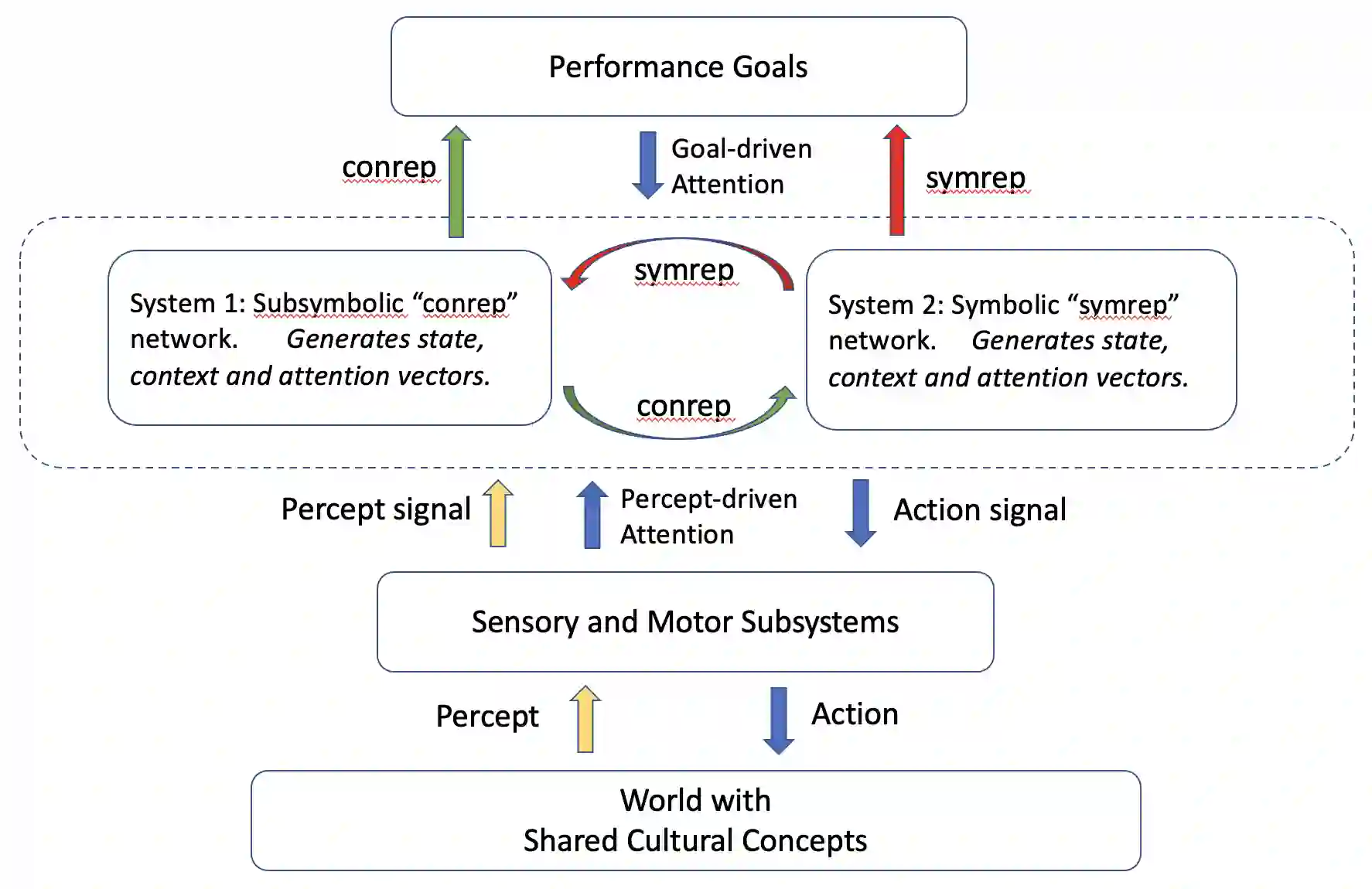
We propose that symbols are first and foremost external communication tools used between intelligent agents that allow knowledge to be transferred in a more efficient and effective manner than having to experience the world directly. But, they are also used internally within an agent through a form of self-communication to help formulate, describe and justify subsymbolic patterns of neural activity that truly implement thinking. Symbols, and our languages that make use of them, not only allow us to explain our thinking to others and ourselves, but also provide beneficial constraints (inductive bias) on learning about the world. In this paper we present relevant insights from neuroscience and cognitive science, about how the human brain represents symbols and the concepts they refer to, and how today's artificial neural networks can do the same. We then present a novel neuro-symbolic hypothesis and a plausible architecture for intelligent agents that combines subsymbolic representations for symbols and concepts for learning and reasoning. Our hypothesis and associated architecture imply that symbols will remain critical to the future of intelligent systems NOT because they are the fundamental building blocks of thought, but because they are characterizations of subsymbolic processes that constitute thought.
翻译:我们提出,符号首先是智能体之间使用的外部交流工具,能够以一种比直接体验世界更高效、更有效的方式传递知识。然而,符号也通过一种自我交流的形式被智能体内部使用,以帮助构建、描述和论证真正实现思考的亚符号神经活动模式。符号以及利用符号的语言,不仅让我们能够向他人和自己解释我们的思考,还为我们学习世界提供了有益的约束(归纳偏置)。本文介绍了神经科学和认知科学中关于人脑如何表示符号及其所指概念的相关见解,以及当今人工神经网络如何实现同样的功能。随后,我们提出了一种新颖的神经符号假说及其适用于智能体的合理架构,该架构结合了用于学习和推理的符号与概念的亚符号表示。我们的假说及其相关架构表明,符号将始终对智能系统的未来至关重要——不是因为它们是思维的基本构成单元,而是因为它们是对构成思维的亚符号过程的表征。




相关内容


 微信扫码咨询专知VIP会员