

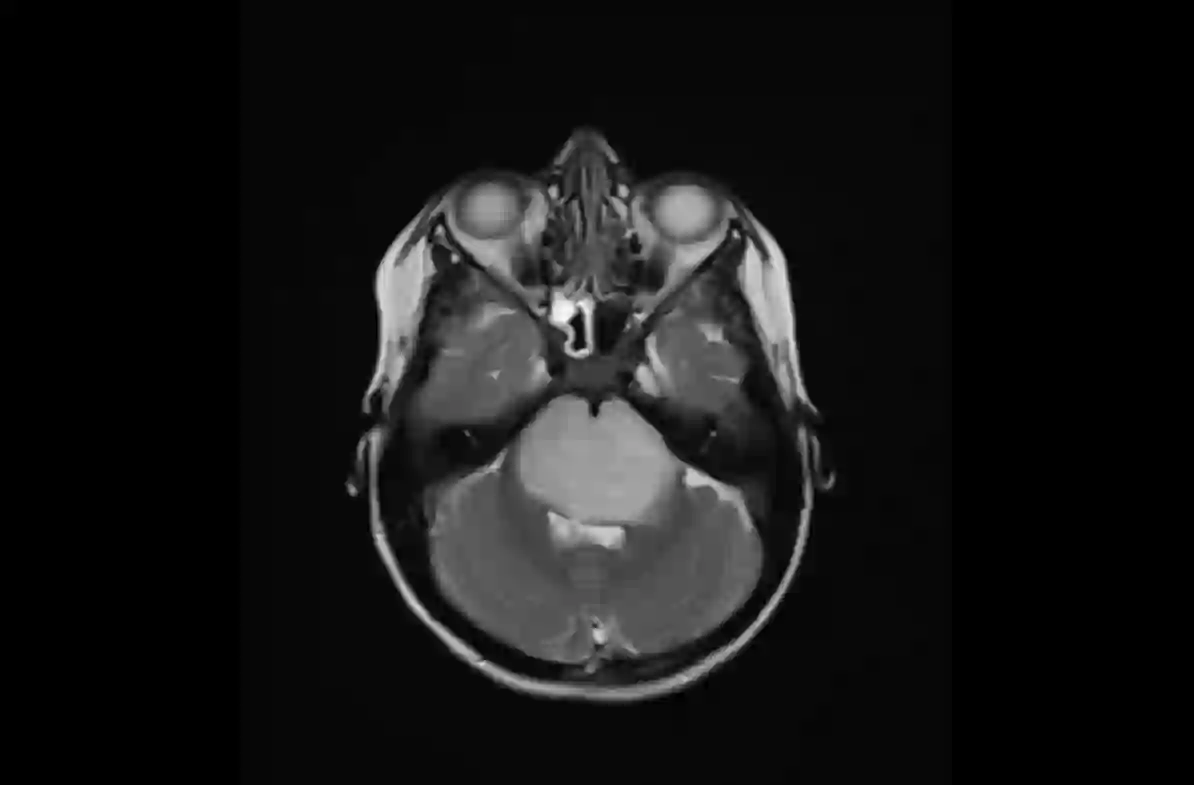
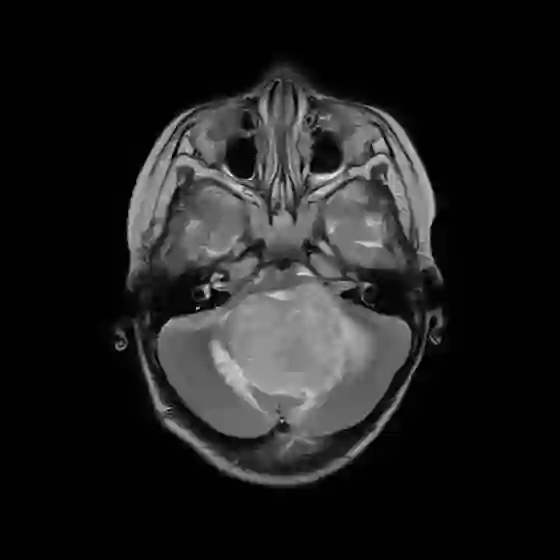
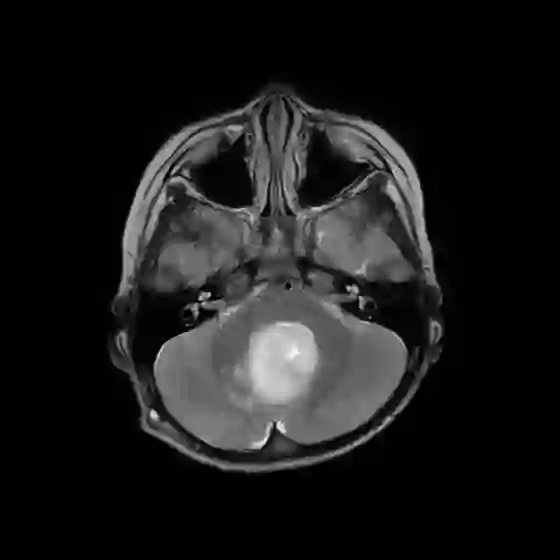
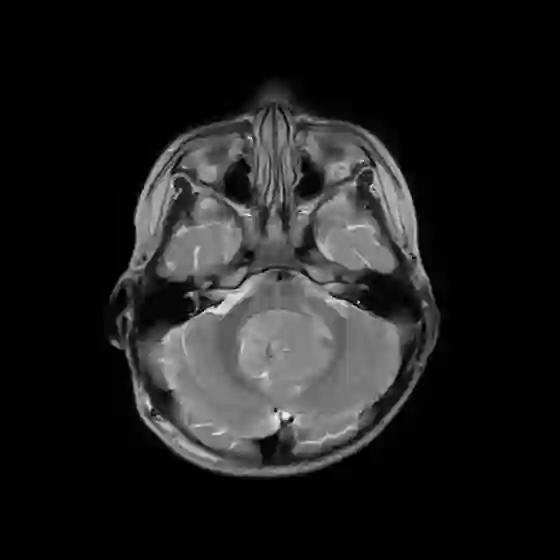
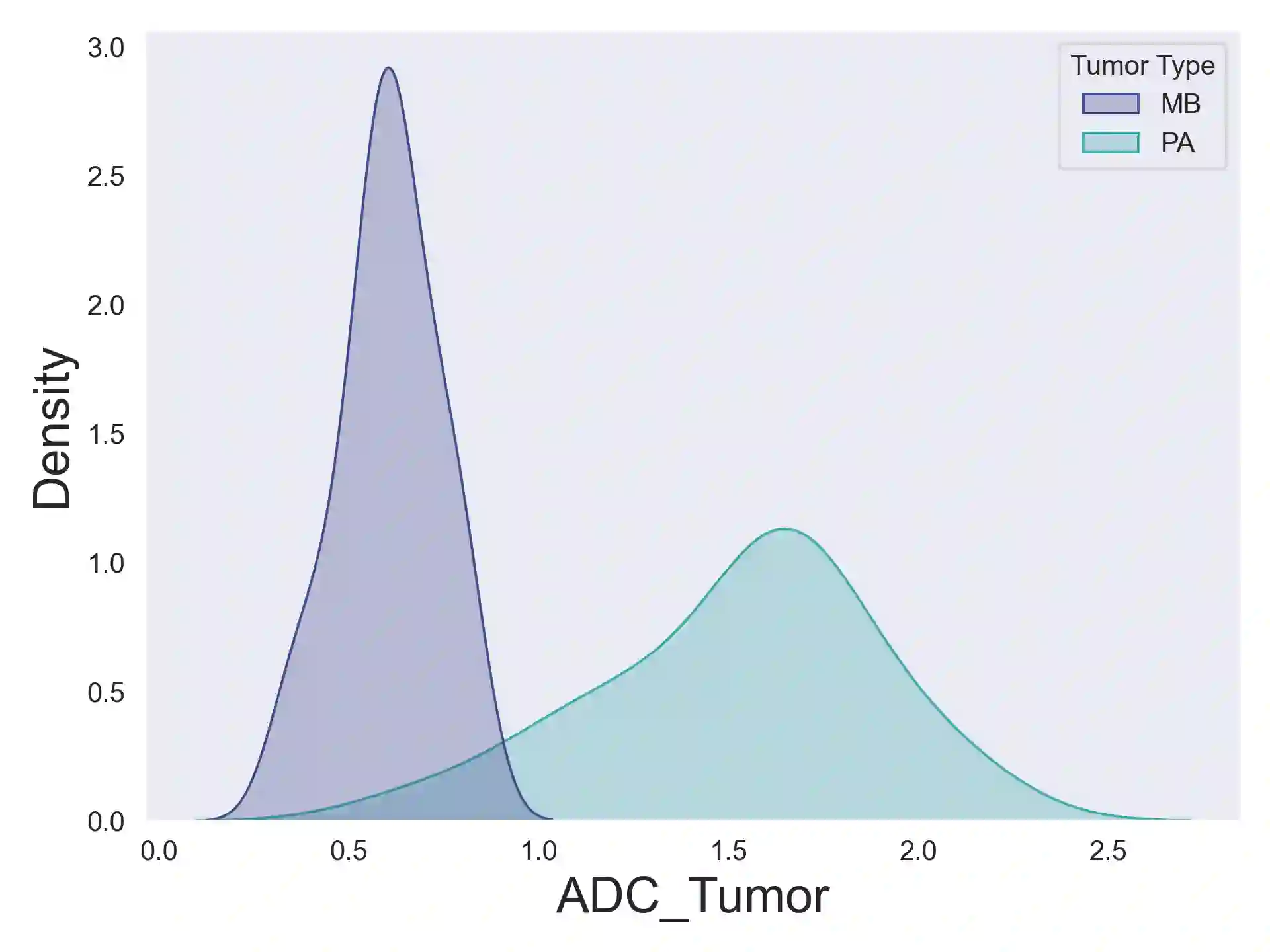
The field of explainability in artificial intelligence has witnessed a growing number of studies and increasing scholarly interest. However, the lack of human-friendly and individual interpretations in explaining the outcomes of machine learning algorithms has significantly hindered the acceptance of these methods by clinicians in their research and clinical practice. To address this, our study employs counterfactual explanations to explore "what if?" scenarios in medical research, aiming to expand our understanding beyond existing boundaries on magnetic resonance imaging (MRI) features for diagnosing pediatric posterior fossa brain tumors. In our case study, the proposed concept provides a novel way to examine alternative decision-making scenarios that offer personalized and context-specific insights, enabling the validation of predictions and clarification of variations under diverse circumstances. Additionally, we explore the potential use of counterfactuals for data augmentation and evaluate their feasibility as an alternative approach in our medical research case. The results demonstrate the promising potential of using counterfactual explanations to enhance trust and acceptance of AI-driven methods in clinical research.
翻译:人工智能可解释性领域的研究数量与学术兴趣正与日俱增。然而,解释机器学习算法结果时缺乏人性化与个性化解读,严重阻碍了临床医生在研究及临床实践中接纳这些方法。为解决此问题,本研究采用反事实解释探索医学研究中的"假设性"情境,旨在超越现有认知边界,拓展对诊断儿童后颅窝脑肿瘤的磁共振成像特征的理解。在本案例研究中,所提出的概念提供了一种新颖方式,可审视替代性决策场景,提供个性化与情境特异性见解,从而验证预测结果并阐明不同情境下的变异。此外,我们探索了反事实在数据增强中的潜在应用,并评估其作为医学研究案例中替代方法的可行性。结果表明,利用反事实解释增强临床研究中AI驱动方法的可信度与接受度具有巨大潜力。




相关内容





 微信扫码咨询专知VIP会员