

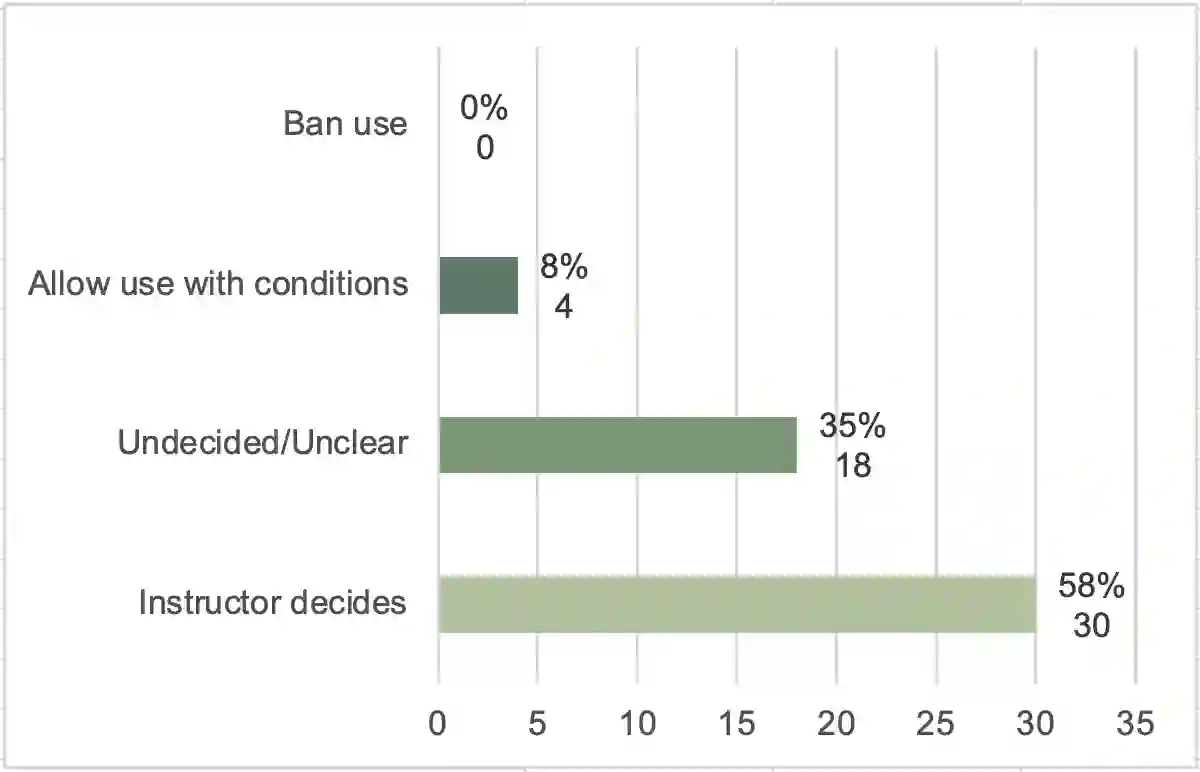
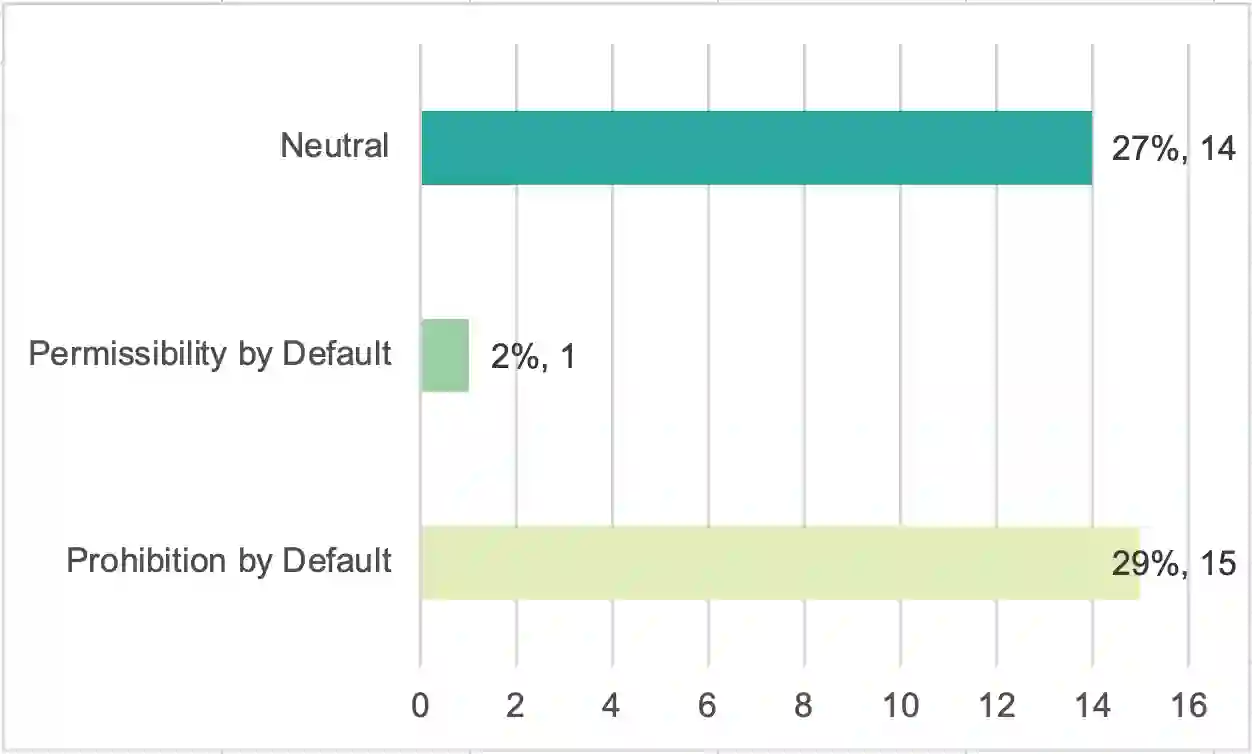
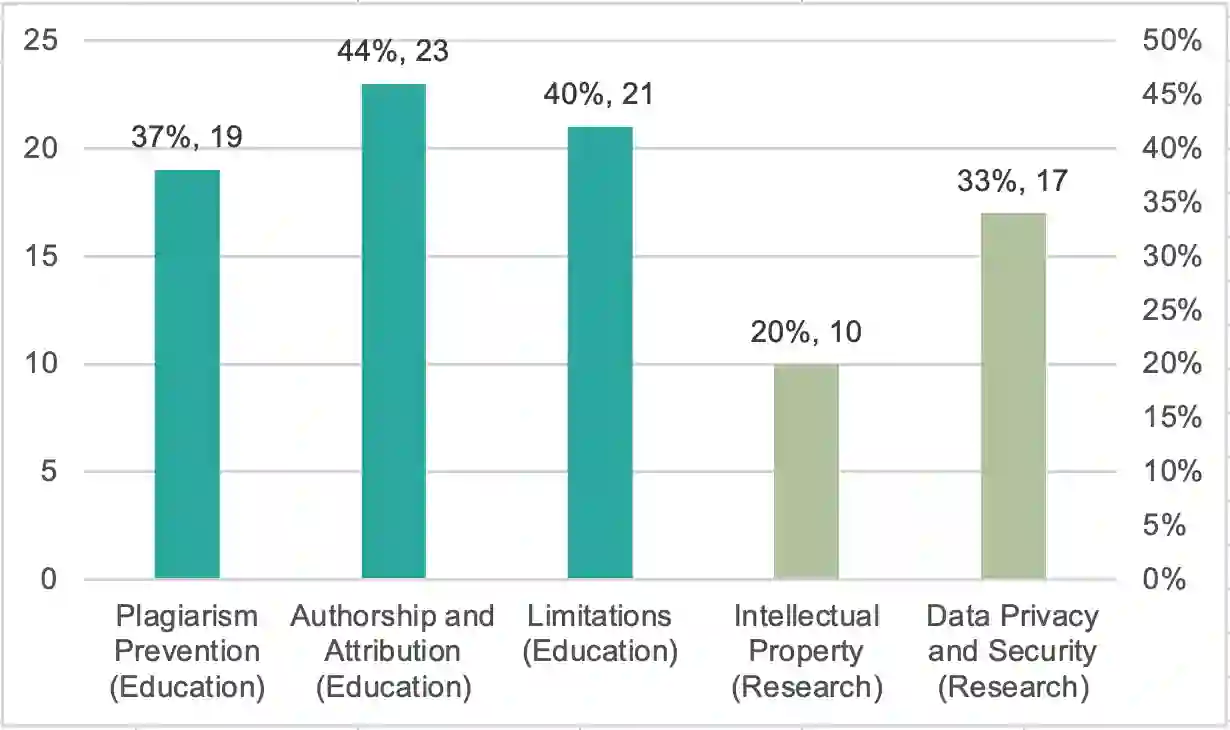
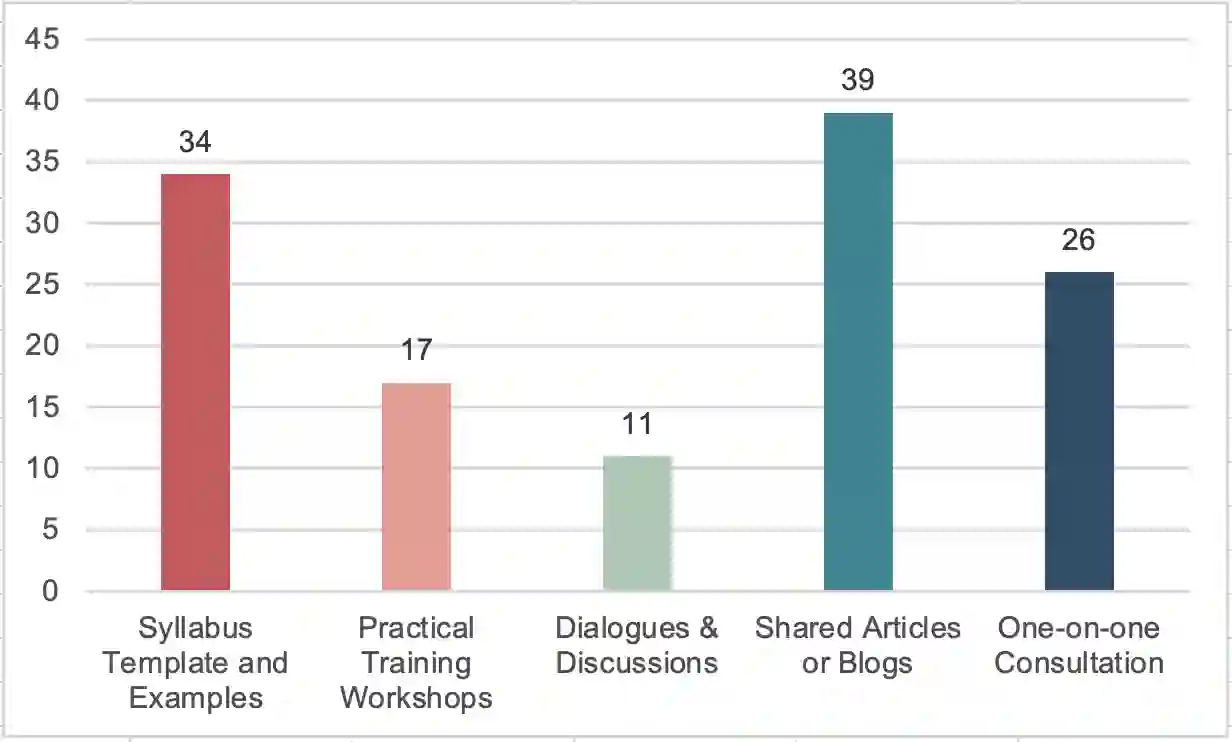
The advancements in Artificial Intelligence (AI) technologies such as ChatGPT have gained popularity in recent days. The integration of ChatGPT in educational contexts has already created attractions due to a wide range of applications. However, the automatic generation of human-like texts also poses potential risks to academic integrity, especially when faced with writing-intensive language courses. Considering the ongoing debates, this study aims to investigate the academic policies and guidelines established by US universities regarding the use of ChatGPT in teaching and learning. The data sources include academic policies, statements, guidelines as well as relevant resources that were provided by the top 50 universities in the United States, according to U.S. News. Thematic analysis and qualitative analysis were employed in the analysis and showed that most top 50 universities were open but cautious towards the integration of generative AI in teaching and learning and also expressed their concerns on ethical usage, accuracy, and data privacy. Most universities also provided a variety of resources and guidelines, including syllabus templates/samples, workshops and discussions, shared articles, and one-on-one consultations, with focuses on general technical introduction, ethical concerns, pedagogical applications, preventive strategies, data privacy, limitations, and detective tools. The findings will inform future policy-making regarding the integration of ChatGPT in college-level education and influence the provision of supportive resources by universities for the appropriate application of ChatGPT in education.
翻译:人工智能技术(如ChatGPT)的进步近期广受关注。ChatGPT在教育领域的整合因其广泛的应用前景已引起关注,但自动生成类人文本的能力对学术诚信构成潜在风险,尤其在需要大量写作的语言课程中。基于当前争议,本研究旨在调查美国大学针对ChatGPT在教学中的应用所制定的学术政策与指南。数据来源包括根据《美国新闻与世界报道》排名前50的美国大学提供的学术政策、声明、指南及相关资源。通过主题分析与定性分析发现,多数顶尖大学对生成式AI融入教学持开放但谨慎态度,并对伦理使用、准确性与数据隐私表示关切。多数大学还提供了包括课程大纲模板/范例、工作坊与讨论、共享文章及一对一咨询等多样化资源与指南,其内容聚焦通用技术介绍、伦理关切、教学应用、预防策略、数据隐私、局限性与检测工具。研究结果将为大学层面教育中整合ChatGPT的未来政策制定提供参考,并影响大学为ChatGPT在教育中的合理应用提供支持性资源。




相关内容




 微信扫码咨询专知VIP会员