

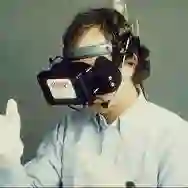
This paper presents the results of tests of interactions between real humans and simulated vehicles in a virtual scenario. Human activity is inserted into the virtual world via a virtual reality interface for pedestrians. The autonomous vehicle is equipped with a virtual Human-Machine interface (HMI) and drives through the digital twin of a real crosswalk. The HMI was combined with gentle and aggressive braking maneuvers when the pedestrian intended to cross. The results of the interactions were obtained through questionnaires and measurable variables such as the distance to the vehicle when the pedestrian initiated the crossing action. The questionnaires show that pedestrians feel safer whenever HMI is activated and that varying the braking maneuver does not influence their perception of danger as much, while the measurable variables show that both HMI activation and the gentle braking maneuver cause the pedestrian to cross earlier.
翻译:本文展示了真实人类与模拟车辆在虚拟场景中交互的测试结果。通过面向行人的虚拟现实接口,将人类活动融入虚拟世界。自动驾驶车辆配备了虚拟人机界面,在真实人行横道的数字孪生中行驶。当行人意图穿越时,该人机界面分别与平缓制动和激进制动操作相结合。交互结果通过问卷调查及可测变量(如行人开始穿越动作时与车辆的距离)获得。问卷调查显示,人机界面激活时行人安全感更高,且制动方式的变化对其危险感知影响较小;而可测变量则表明,人机界面激活与平缓制动操作均会导致行人更早完成穿越。




相关内容




 微信扫码咨询专知VIP会员