

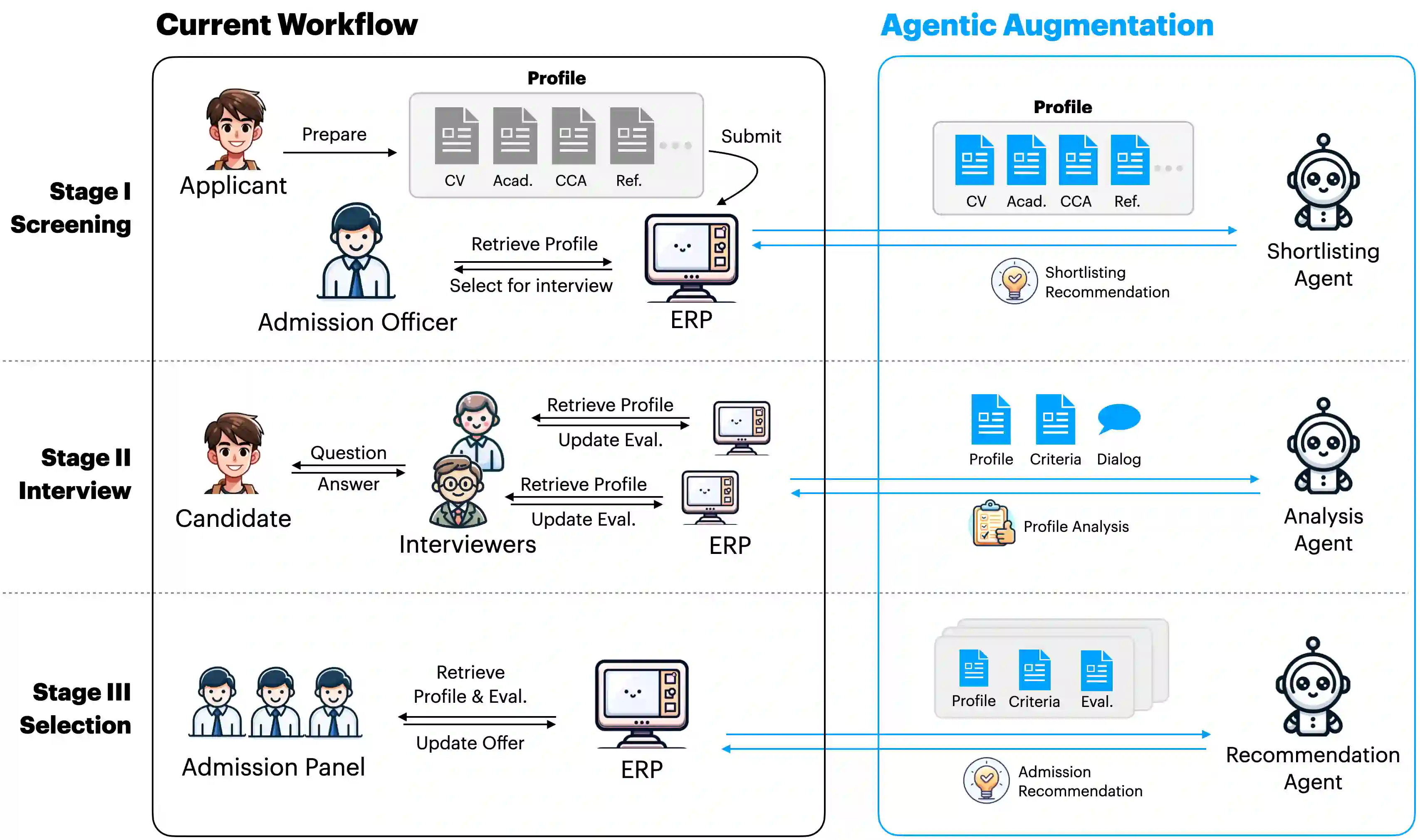
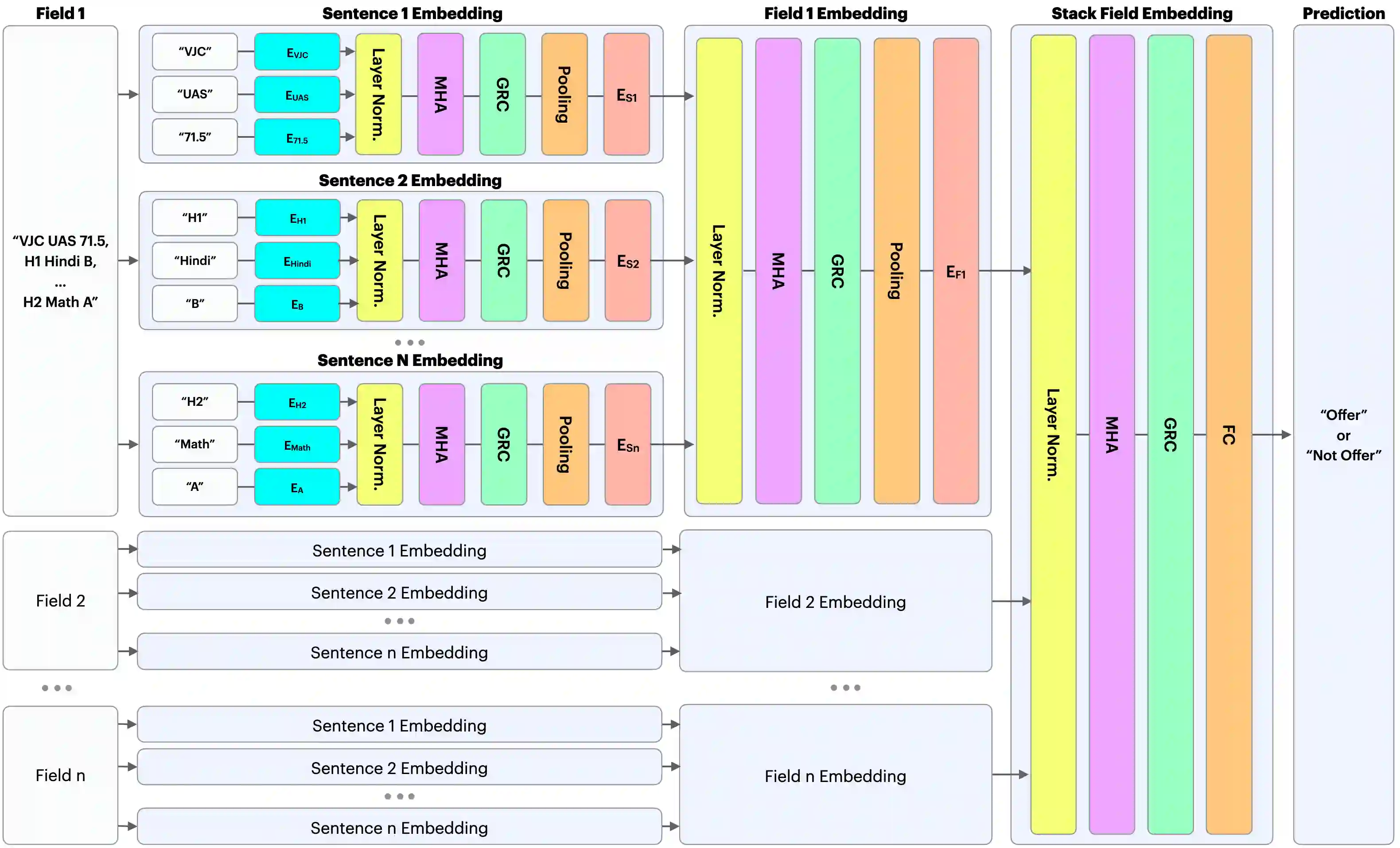
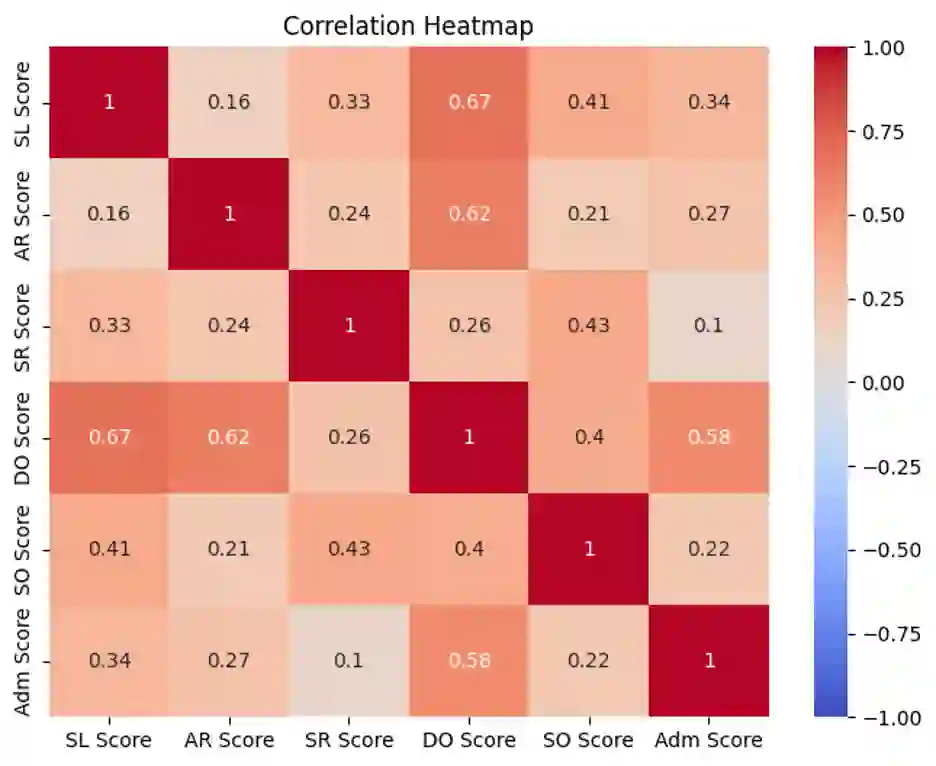
How objective and unbiased are we while making decisions? This work investigates cognitive bias identification in high-stake decision making process by human experts, questioning its effectiveness in real-world settings, such as candidates assessments for university admission. We begin with a statistical analysis assessing correlations among different decision points among in the current process, which discovers discrepancies that imply cognitive bias and inconsistency in decisions. This motivates our exploration of bias-aware AI-augmented workflow that surpass human judgment. We propose BGM-HAN, an enhanced Hierarchical Attention Network with Byte-Pair Encoding, Gated Residual Connections and Multi-Head Attention. Using it as a backbone model, we further propose a Shortlist-Analyse-Recommend (SAR) agentic workflow, which simulate real-world decision-making. In our experiments, both the proposed model and the agentic workflow significantly improves on both human judgment and alternative models, validated with real-world data.
翻译:我们在决策过程中究竟有多客观和无偏?本研究探讨了人类专家在高风险决策过程中的认知偏差识别问题,并对其在现实场景(如大学招生中的候选人评估)中的有效性提出质疑。我们首先通过统计分析评估当前流程中不同决策点之间的相关性,发现了表明决策中存在认知偏差与不一致性的差异。这促使我们探索能够超越人类判断的、具备偏差感知能力的人工智能增强工作流。我们提出了BGM-HAN——一种融合字节对编码、门控残差连接与多头注意力机制的增强型分层注意力网络。以其为骨干模型,我们进一步提出了模拟现实决策过程的"筛选-分析-推荐"智能体工作流。实验表明,基于真实数据的验证结果证明,所提出的模型与智能体工作流均在人类判断及对比模型基础上实现了显著提升。




相关内容





 微信扫码咨询专知VIP会员