

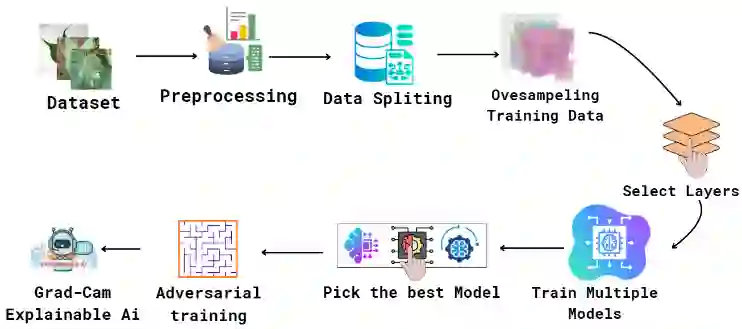
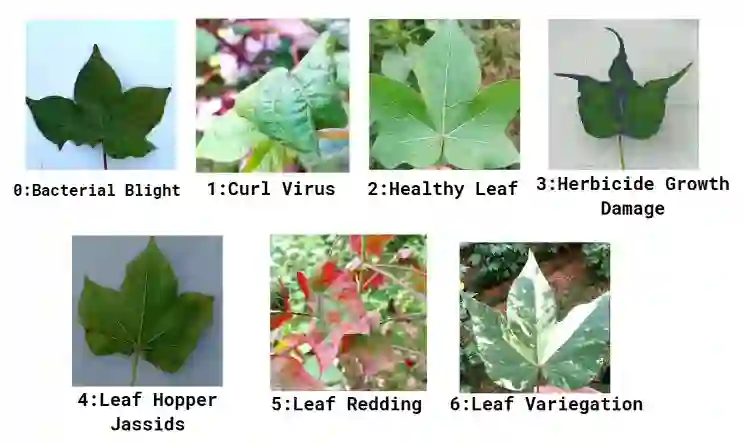
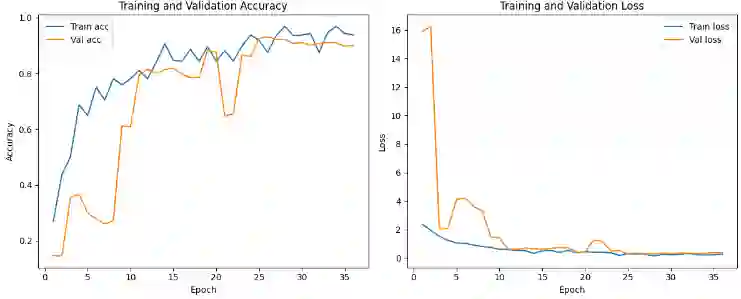
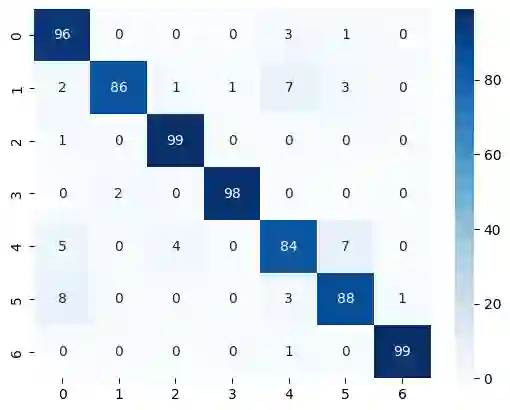
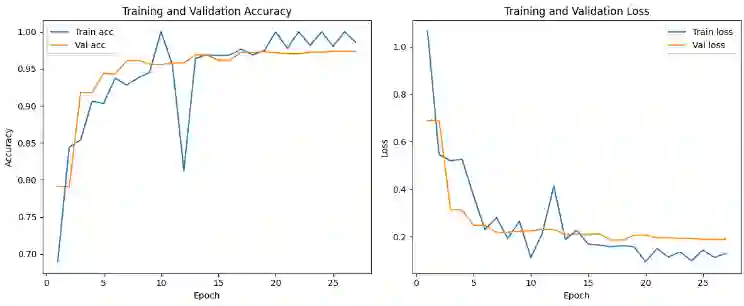
Globally, cotton is a highly economically beneficial crop, as the textile industry heavily depends on it. So, the precise identification and detection of cotton leaf disease is crucial for economic stability. The development goal of "CottonLeafVision" is to accurately classify and detect cotton leaf disease. With this goal, we have evaluated multiple pretrained Deep Convolutional Neural Networks, including DenseNet201, InceptionV3, and VGG19 on a publicly available cotton leaf disease image dataset. This image dataset includes seven classes, six disease classes, and one healthy class, collected under various field conditions reflecting real-world challenges. Among these pretrained models, with DenseNet201, we have achieved the highest classification accuracy of 98%. To enhance the model reliability and interpretability, we have implemented different techniques and methods such as Gradient-weighted Class Activation Mapping (Grad-CAM), occlusion sensitivity analysis and adversarial training to increase the noise resistance of the model. Finally, we have developed a prototype in order to utilize the model's capabilities on real life agriculture. This paper shows the deep learning model's capabilities to classify the disease in real-life cotton disease management situations.
翻译:在全球范围内,棉花是经济价值极高的作物,纺织业对其存在高度依赖。因此,棉花叶部病害的精准识别与检测对经济稳定性至关重要。本研究开发"CottonLeafVision"的目标是实现棉花叶部病害的准确分类与检测。基于此目标,我们在公开的棉花叶部病害图像数据集上评估了多个预训练深度卷积神经网络,包括DenseNet201、InceptionV3和VGG19。该图像数据集包含七种类别(六种病害类别和一种健康类别),均在反映真实世界挑战的不同田间条件下采集。在预训练模型中,DenseNet201取得了98%的最高分类准确率。为增强模型可靠性与可解释性,我们采用了多种技术方法,包括梯度加权类激活映射(Grad-CAM)、遮挡敏感性分析以及对抗训练以提升模型抗噪能力。最后,我们开发了原型系统以将模型能力应用于实际农业场景。本文展示了深度学习模型在真实棉花病害管理情境中进行病害分类的潜力。




相关内容





 微信扫码咨询专知VIP会员