

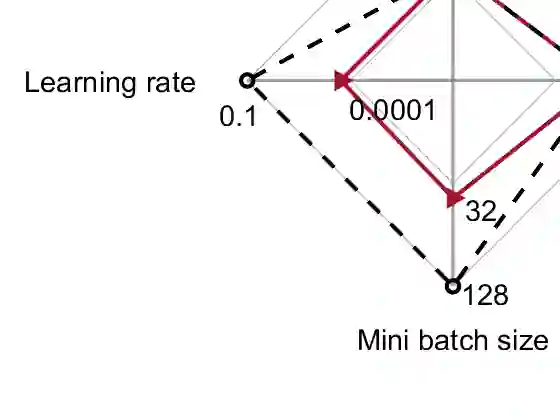
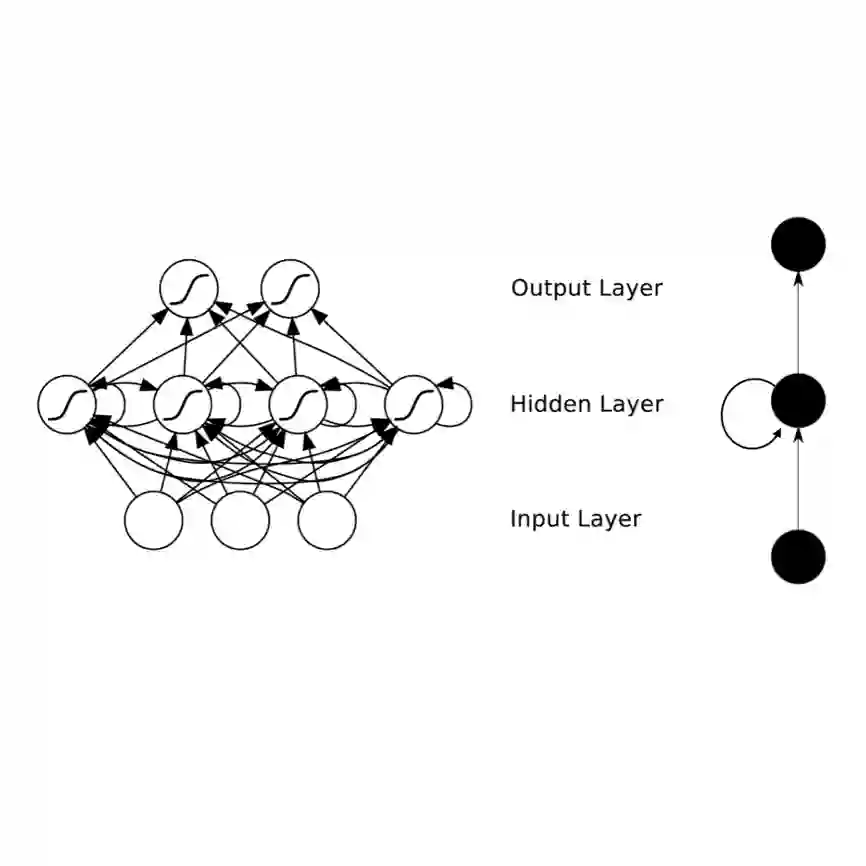
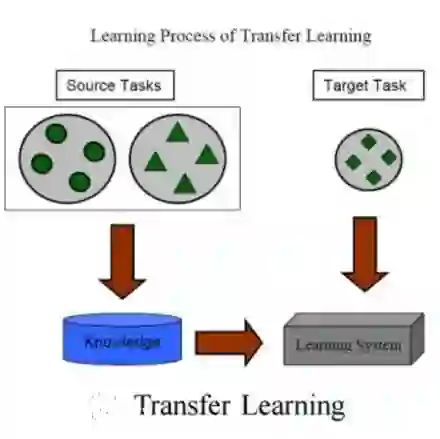
As a surrogate for computationally intensive meso-scale simulation of woven composites, this article presents Recurrent Neural Network (RNN) models. Leveraging the power of transfer learning, the initialization challenges and sparse data issues inherent in cyclic shear strain loads are addressed in the RNN models. A mean-field model generates a comprehensive data set representing elasto-plastic behavior. In simulations, arbitrary six-dimensional strain histories are used to predict stresses under random walking as the source task and cyclic loading conditions as the target task. Incorporating sub-scale properties enhances RNN versatility. In order to achieve accurate predictions, the model uses a grid search method to tune network architecture and hyper-parameter configurations. The results of this study demonstrate that transfer learning can be used to effectively adapt the RNN to varying strain conditions, which establishes its potential as a useful tool for modeling path-dependent responses in woven composites.
翻译:作为计算密集型编织复合材料细观模拟的替代方案,本文提出了循环神经网络(RNN)模型。通过利用迁移学习的优势,RNN模型解决了循环剪切应变载荷中固有的初始化难题与稀疏数据问题。采用均场模型生成表征弹塑性行为的综合数据集。在模拟中,以任意六维应变历史作为源任务(随机行走条件)与目标任务(循环加载条件)来预测应力响应。通过融入子尺度特性增强RNN的通用性。为实现精确预测,模型采用网格搜索方法优化网络架构与超参数配置。研究结果表明,迁移学习可有效使RNN适应不同应变条件,从而确立了其作为编织复合材料路径依赖响应建模工具的应用潜力。




相关内容



 微信扫码咨询专知VIP会员