

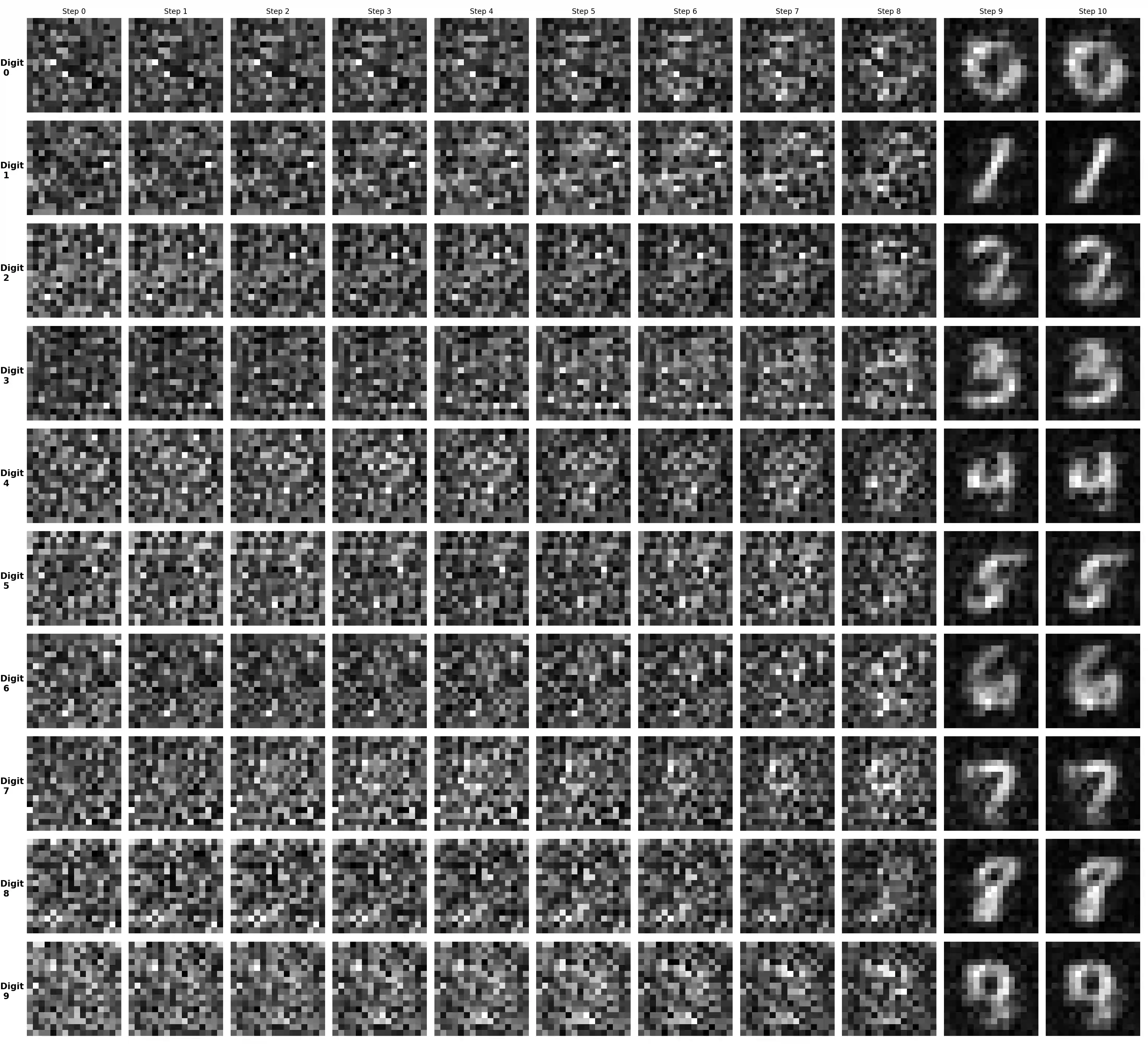
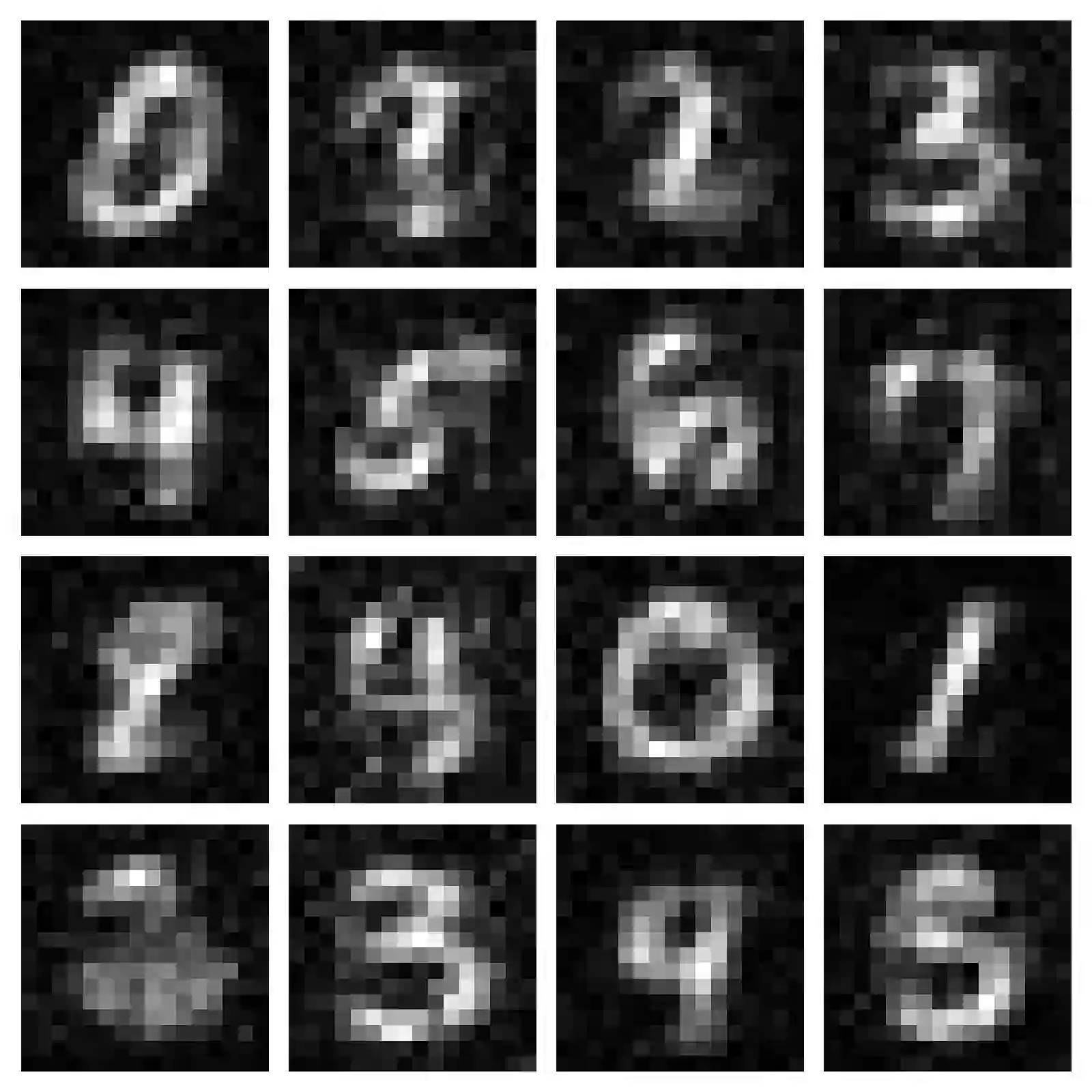
Quantum generative models offer a novel approach to exploring high-dimensional Hilbert spaces but face significant challenges in scalability and expressibility when applied to multi-modal distributions. In this study, we explore a Hybrid Quantum-Classical U-Net architecture integrated with Adaptive Non-Local Observables (ANO) as a potential solution to these hurdles. By compressing classical data into a dense quantum latent space and utilizing trainable observables, our model aims to extract non-local features that complement classical processing. We also investigate the role of Skip Connections in preserving semantic information during the reverse diffusion process. Experimental results on the full MNIST dataset (digits 0-9) demonstrate that the proposed architecture is capable of generating structurally coherent and recognizable images for all digit classes. While hardware constraints still impose limitations on resolution, our findings suggest that hybrid architectures with adaptive measurements provide a feasible pathway for mitigating mode collapse and enhancing generative capabilities in the NISQ era.
翻译:量子生成模型为探索高维希尔伯特空间提供了新途径,但在应用于多模态分布时面临可扩展性与表达能力方面的重大挑战。本研究探索一种结合自适应非局域观测量(ANO)的混合量子-经典U-Net架构作为应对这些障碍的潜在解决方案。通过将经典数据压缩至稠密量子潜空间并利用可训练观测量,我们的模型旨在提取可补充经典处理的非局域特征。同时研究了跳跃连接在反向扩散过程中保持语义信息的作用。在完整MNIST数据集(数字0-9)上的实验结果表明,所提架构能够为所有数字类别生成结构连贯且可识别的图像。虽然硬件限制仍对分辨率产生制约,但我们的研究结果表明,具有自适应测量的混合架构为缓解NISQ时代的模式崩溃和增强生成能力提供了可行路径。





相关内容


 微信扫码咨询专知VIP会员