

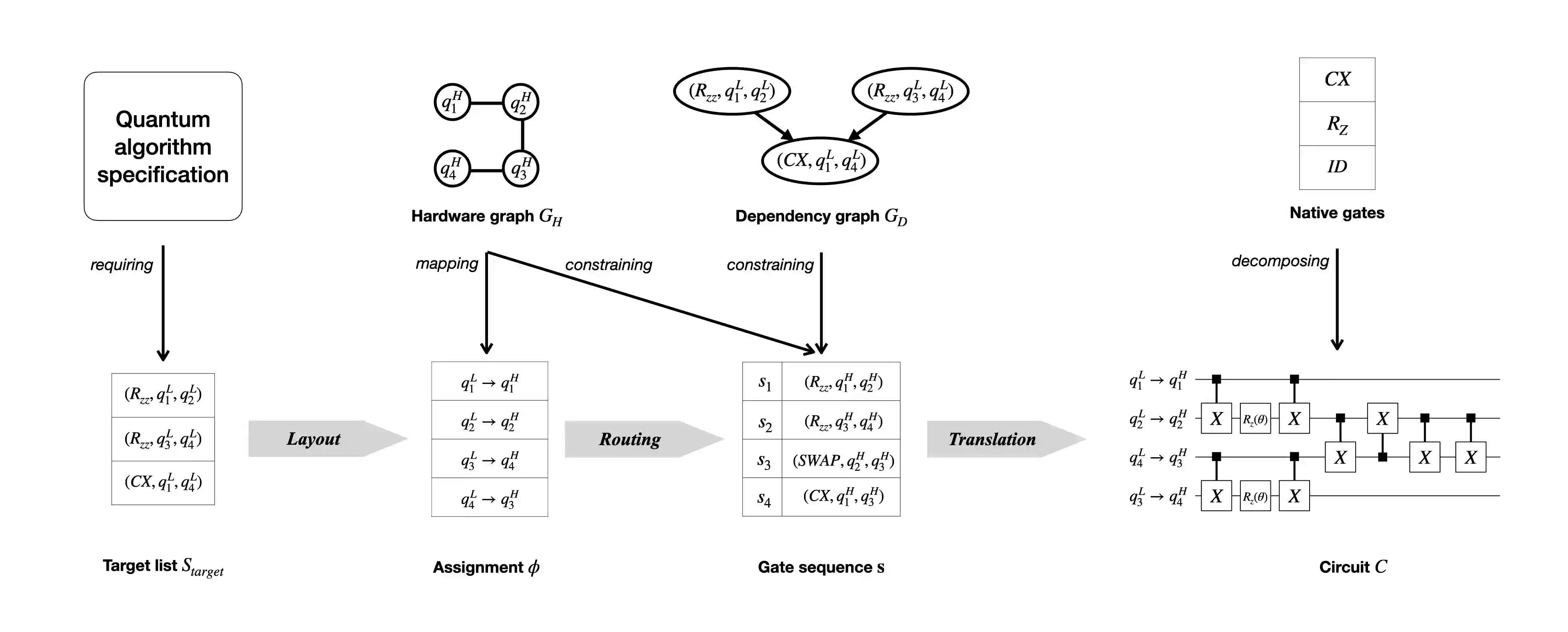
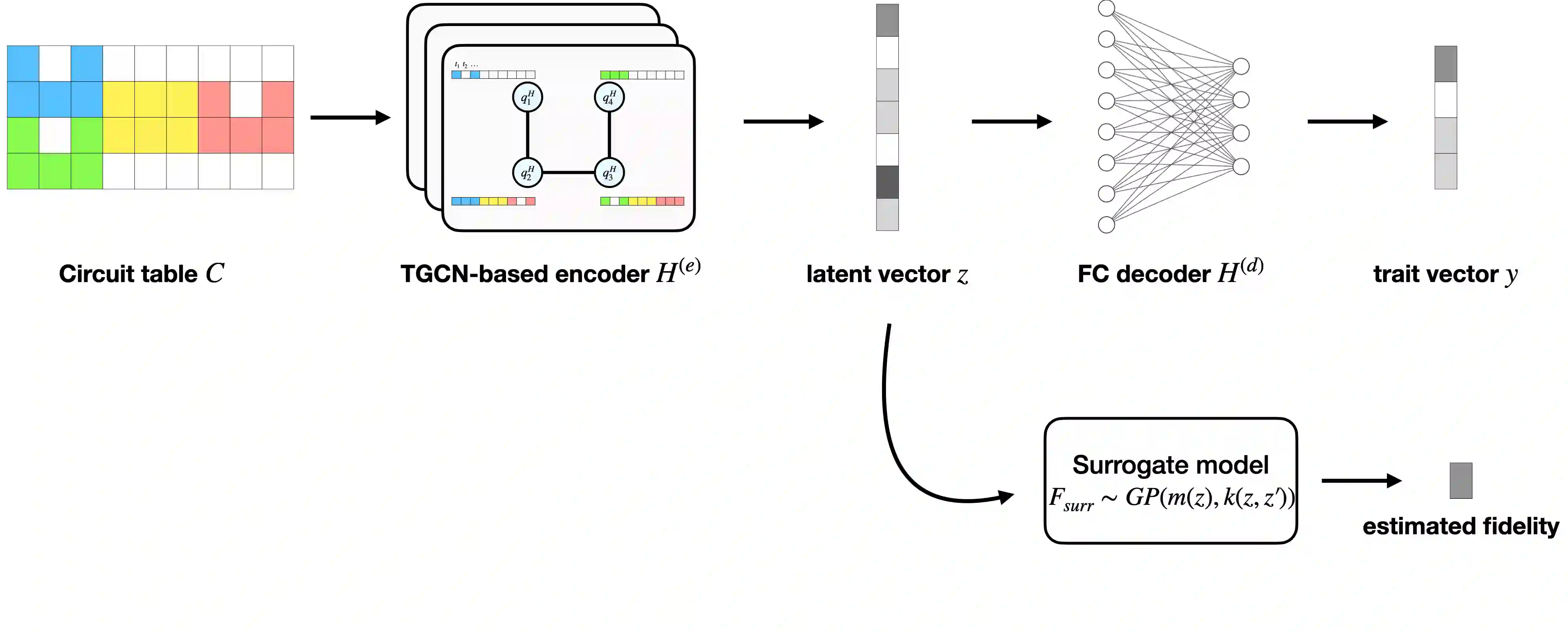
Quantum computing has the potential to revolutionize fields like quantum optimization and quantum machine learning. However, current quantum devices are hindered by noise, reducing their reliability. A key challenge in gate-based quantum computing is improving the reliability of quantum circuits, measured by process fidelity, during the transpilation process, particularly in the routing stage. In this paper, we address the Fidelity Maximization in Routing Stage (FMRS) problem by introducing FIDDLE, a novel learning framework comprising two modules: a Gaussian Process-based surrogate model to estimate process fidelity with limited training samples and a reinforcement learning module to optimize routing. Our approach is the first to directly maximize process fidelity, outperforming traditional methods that rely on indirect metrics such as circuit depth or gate count. We rigorously evaluate FIDDLE by comparing it with state-of-the-art fidelity estimation techniques and routing optimization methods. The results demonstrate that our proposed surrogate model is able to provide a better estimation on the process fidelity compared to existing learning techniques, and our end-to-end framework significantly improves the process fidelity of quantum circuits across various noise models.
翻译:量子计算具有革新量子优化和量子机器学习等领域的潜力。然而,当前量子设备受噪声干扰,可靠性降低。在基于门操作的量子计算中,一个关键挑战是在编译过程(特别是布线阶段)中提高量子电路的可靠性,该可靠性通过过程保真度来衡量。本文通过引入FIDDLE来解决布线阶段保真度最大化问题,这是一个新颖的学习框架,包含两个模块:一个基于高斯过程的代理模型,用于在有限训练样本下估计过程保真度;以及一个强化学习模块,用于优化布线。我们的方法是首个直接最大化过程保真度的方案,优于依赖电路深度或门数量等间接指标的传统方法。我们通过将FIDDLE与最先进的保真度估计技术和布线优化方法进行比较,对其进行了严格评估。结果表明,与现有学习技术相比,我们提出的代理模型能够提供更好的过程保真度估计,并且我们的端到端框架在各种噪声模型下显著提高了量子电路的过程保真度。





相关内容





 微信扫码咨询专知VIP会员