

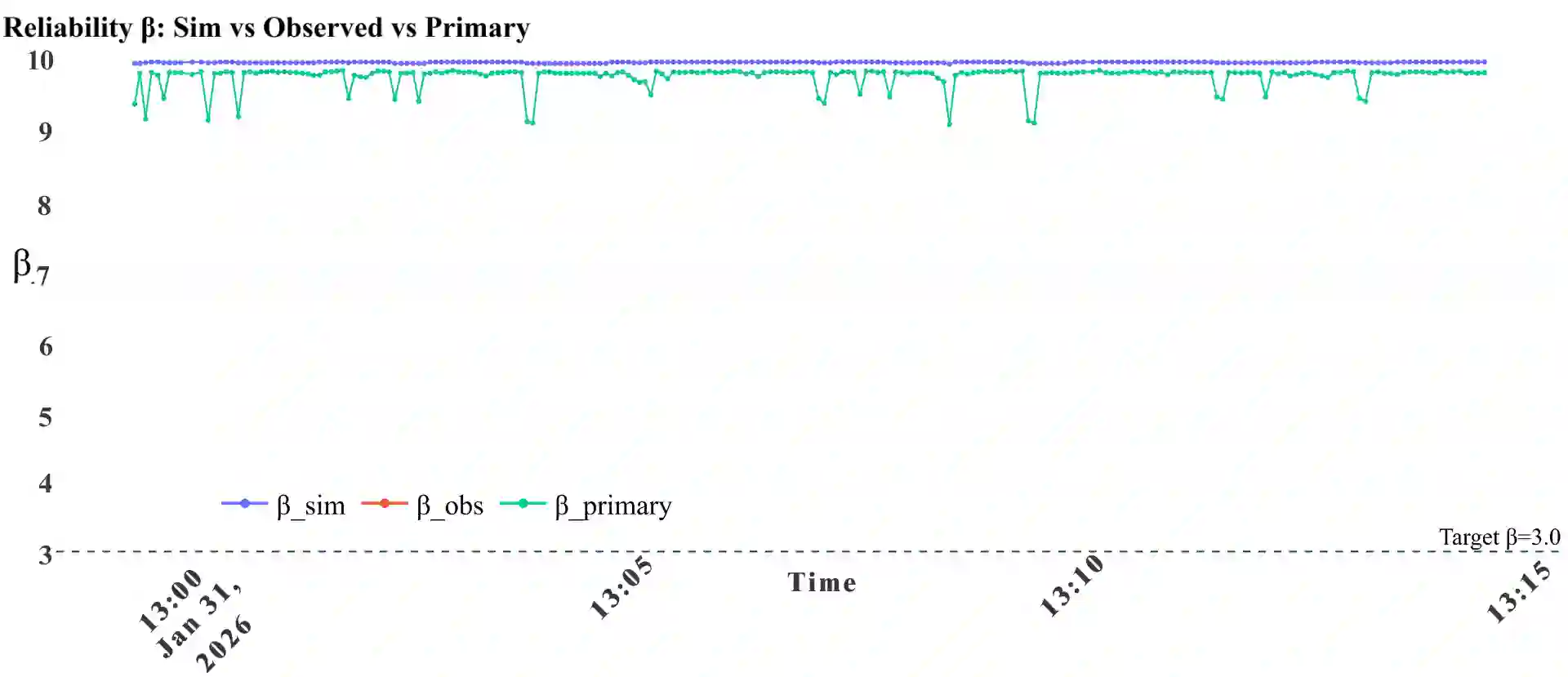
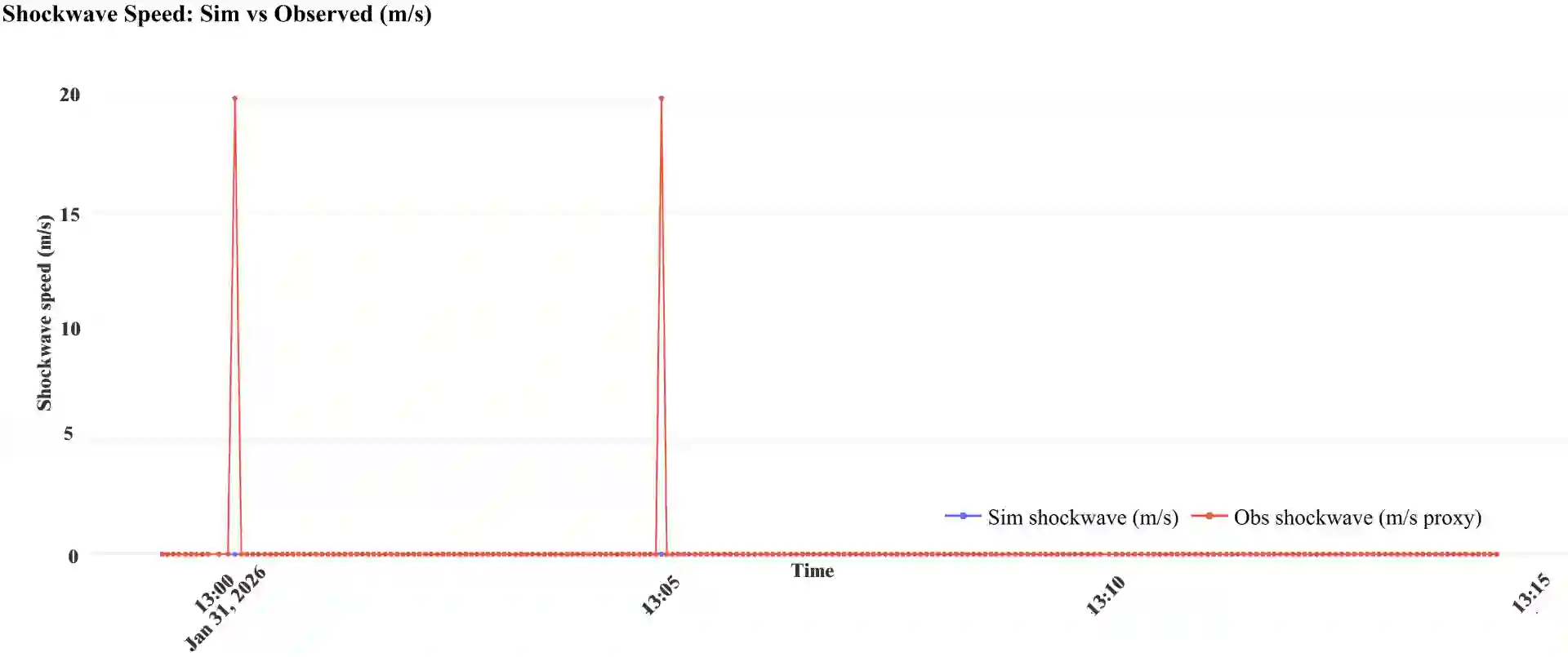
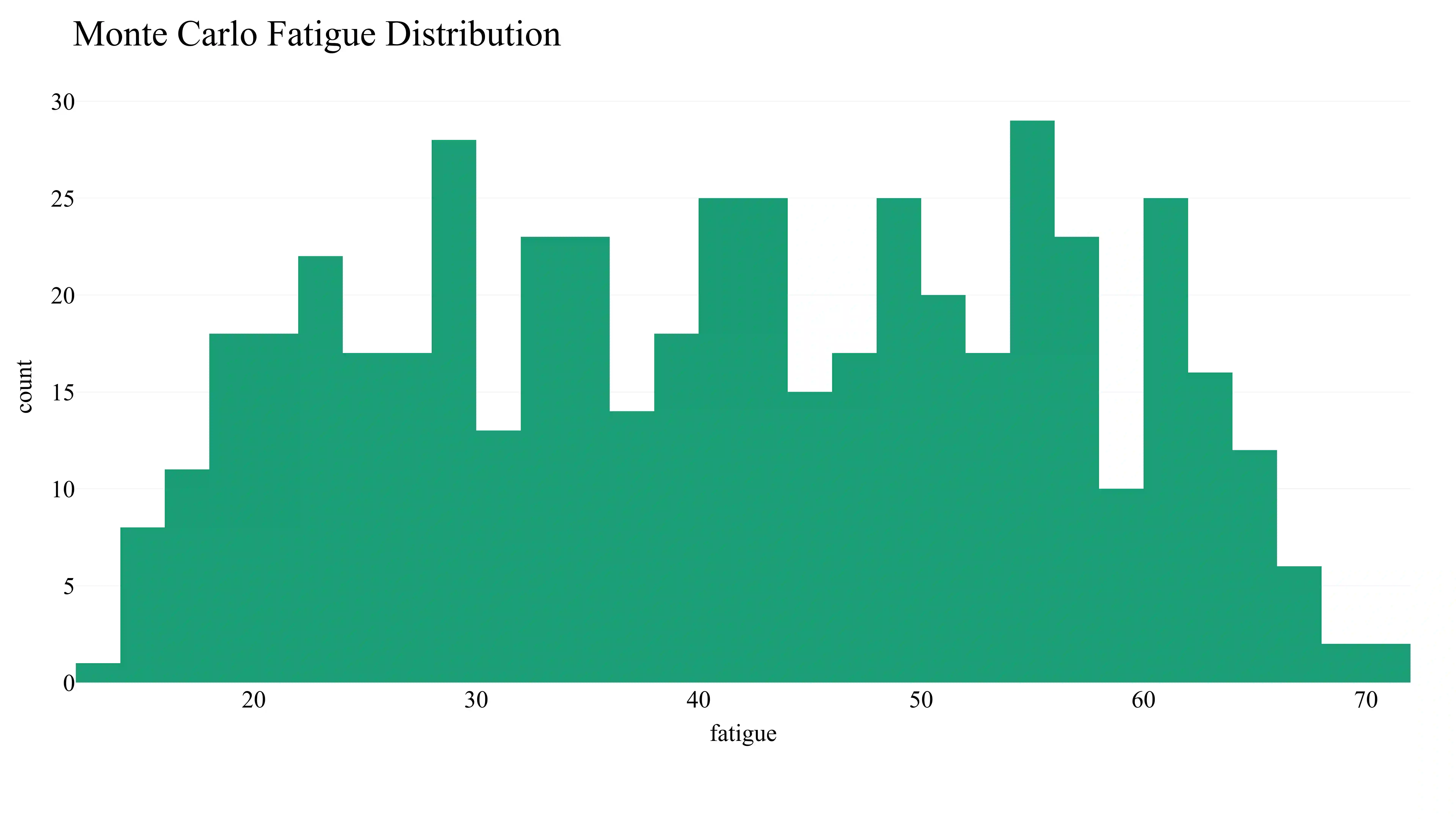
A hybrid digital twin framework is presented for bridge condition monitoring using existing traffic cameras and weather APIs, reducing reliance on dedicated sensor installations. The approach is demonstrated on the Peace Bridge (99 years in service) under high traffic demand and harsh winter exposure. The framework fuses three near-real-time streams: YOLOv8 computer vision from a bridge-deck camera estimates vehicle counts, traffic density, and load proxies; a Lighthill--Whitham--Richards (LWR) model propagates density $ρ(x,t)$ and detects deceleration-driven shockwaves linked to repetitive loading and fatigue accumulation; and weather APIs provide deterioration drivers including temperature cycling, freeze-thaw activity, precipitation-related corrosion potential, and wind effects. Monte Carlo simulation quantifies uncertainty across traffic-environment scenarios, while Random Forest models map fused features to fatigue indicators and maintenance classification. The framework demonstrates utilizing existing infrastructure for cost-effective predictive maintenance of aging, high-traffic bridges in harsh climates.
翻译:本文提出一种混合数字孪生框架,利用现有交通摄像头与天气API实现桥梁状态监测,从而降低对专用传感器部署的依赖。该框架在承受高交通负荷与严酷冬季环境的和平大桥(已服役99年)上得到验证。该框架融合了三个近实时数据流:基于桥面摄像头的YOLOv8计算机视觉系统估计车辆数量、交通密度与荷载代用指标;Lighthill–Whitham–Richards (LWR) 模型推演密度分布 $ρ(x,t)$ 并检测与重复荷载及疲劳累积相关的减速激波;天气API则提供包括温度循环、冻融活动、降水相关腐蚀潜势及风效应在内的劣化驱动因素。通过蒙特卡洛模拟量化交通-环境多场景下的不确定性,同时采用随机森林模型将融合特征映射至疲劳指标与维护分类。本框架展示了如何利用既有基础设施,对严酷气候环境下高负荷老龄桥梁进行经济高效的预测性维护。




相关内容



 微信扫码咨询专知VIP会员