

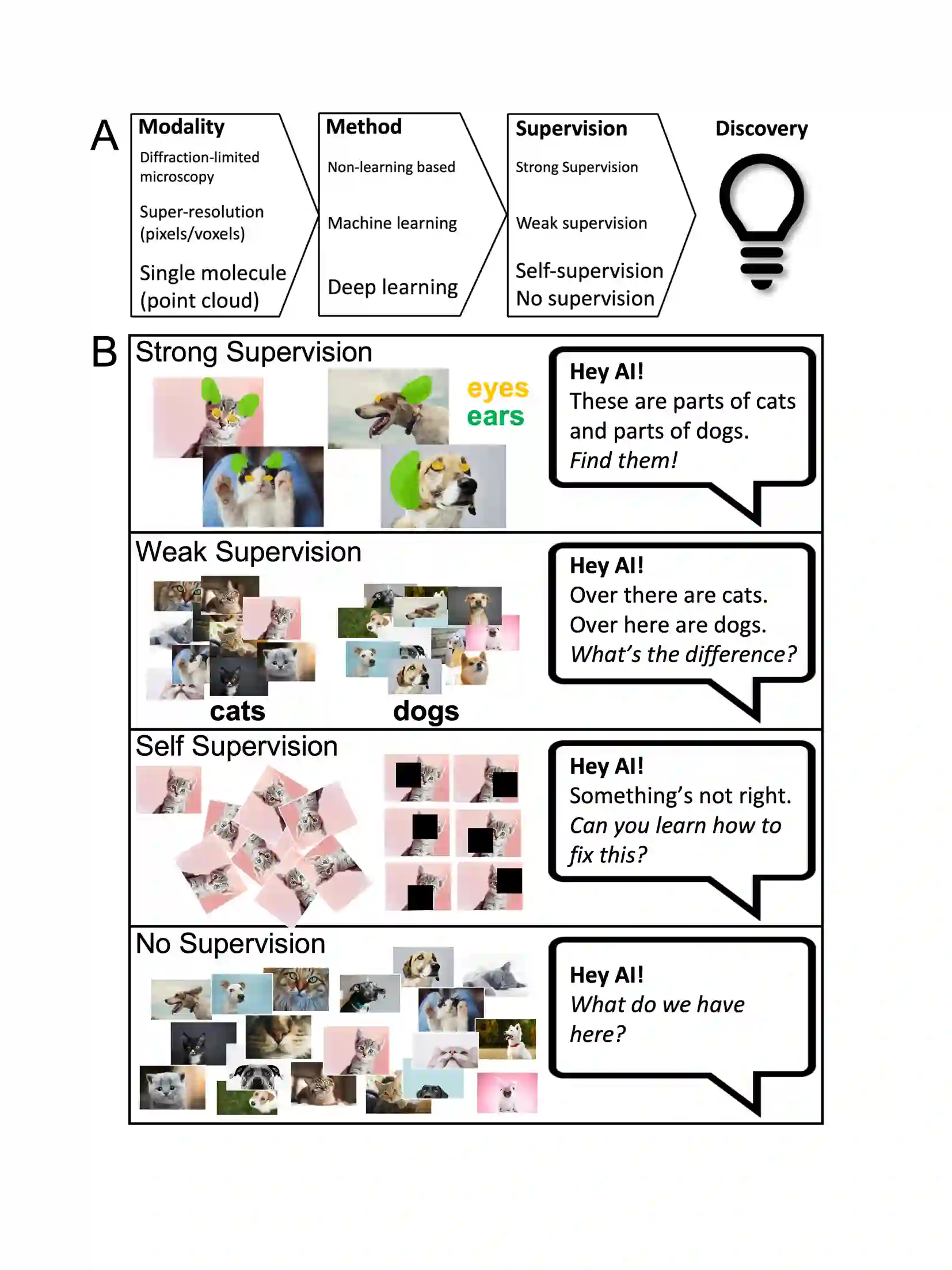
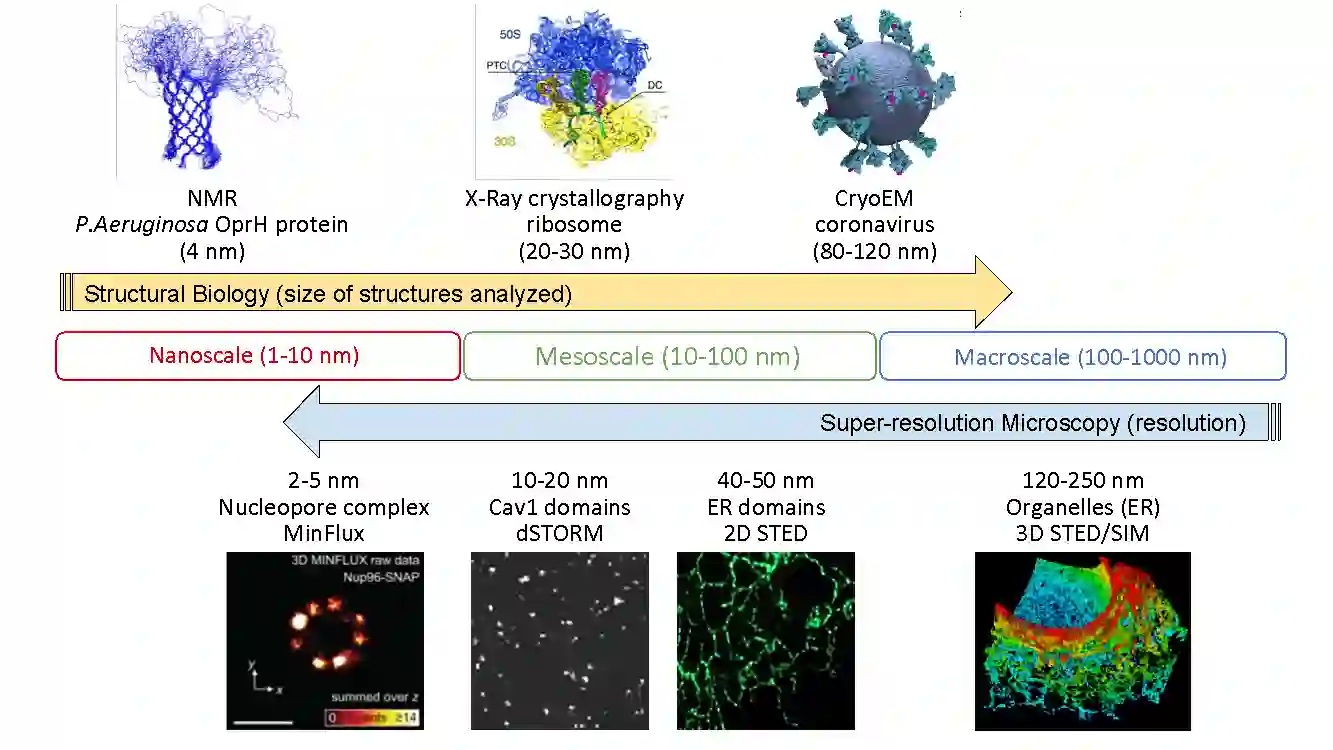
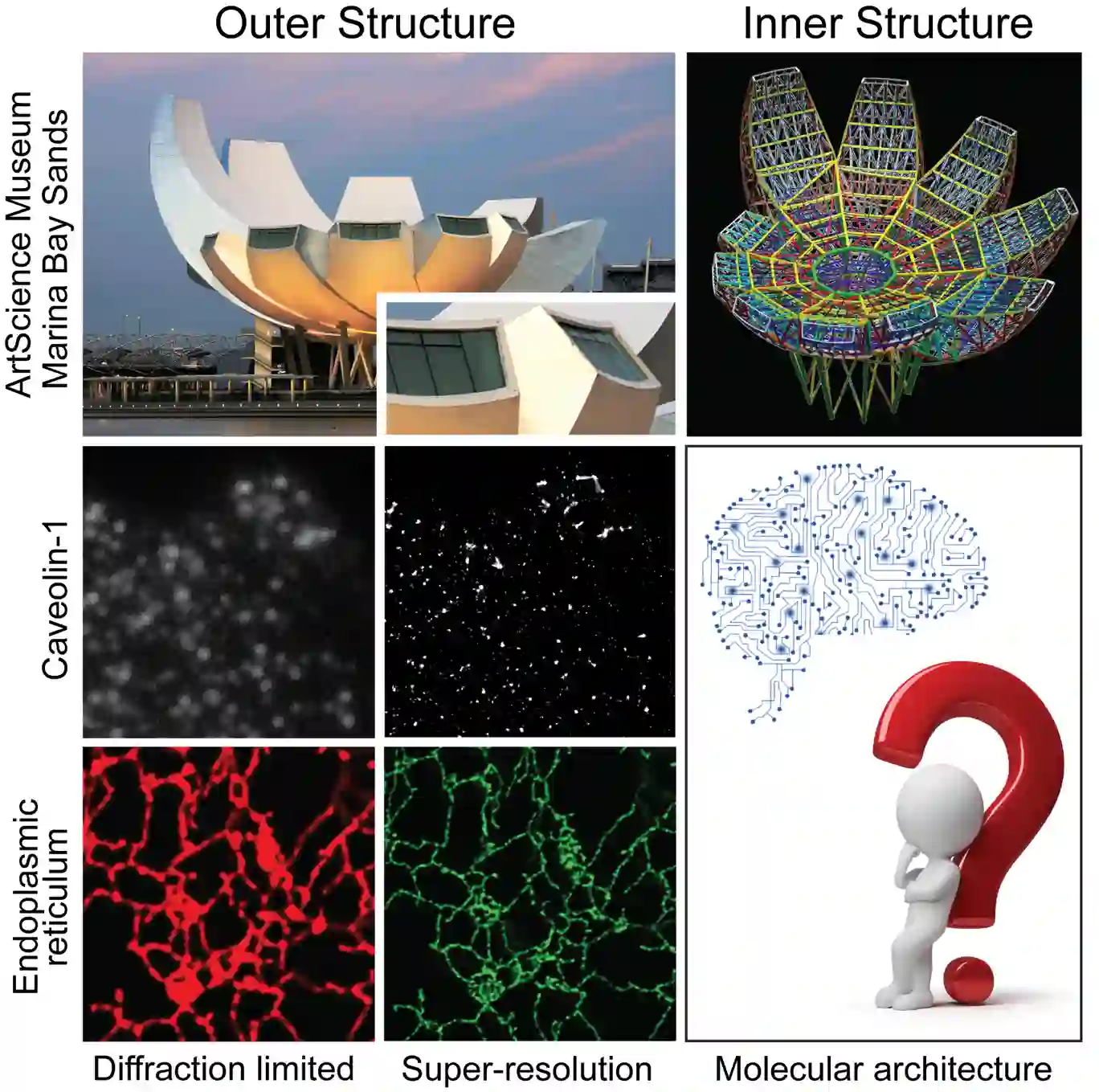
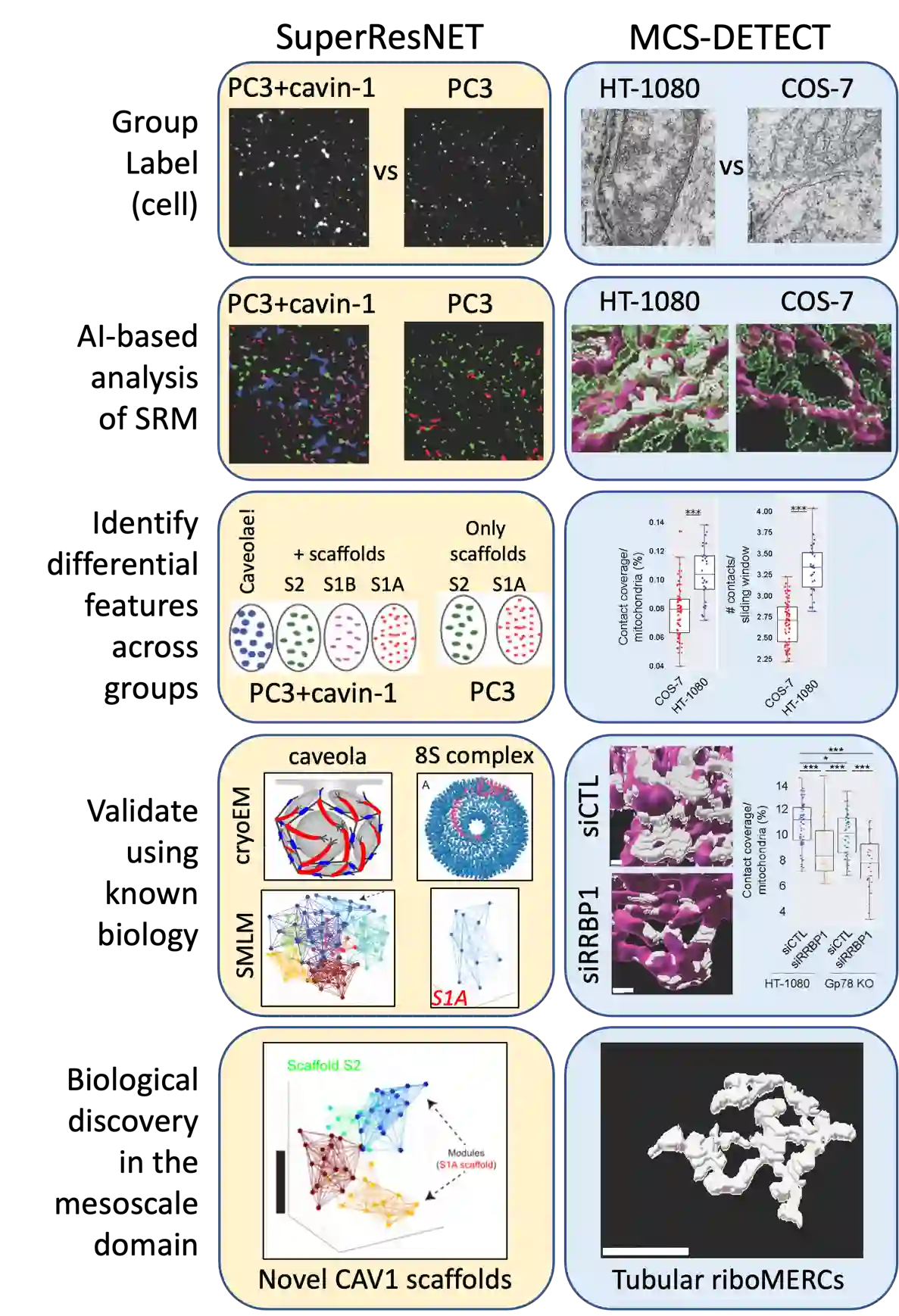
Super-resolution microscopy, or nanoscopy, enables the use of fluorescent-based molecular localization tools to study molecular structure at the nanoscale level in the intact cell, bridging the mesoscale gap to classical structural biology methodologies. Analysis of super-resolution data by artificial intelligence (AI), such as machine learning, offers tremendous potential for discovery of new biology, that, by definition, is not known and lacks ground truth. Herein, we describe the application of weakly supervised paradigms to super-resolution microscopy and its potential to enable the accelerated exploration of the nanoscale architecture of subcellular macromolecules and organelles.
翻译:超分辨率显微技术,或称纳米显微技术,使得基于荧光的分子定位工具能够用于研究完整细胞内纳米尺度的分子结构,从而弥合了介观尺度与经典结构生物学方法之间的鸿沟。通过人工智能(如机器学习)对超分辨率数据进行分析,为发现新的生物学知识提供了巨大潜力——这些知识根据定义是未知的且缺乏真实标注的。本文中,我们描述了弱监督范式在超分辨率显微技术中的应用及其在加速探索亚细胞大分子与细胞器纳米尺度结构方面的潜力。




相关内容




 微信扫码咨询专知VIP会员