

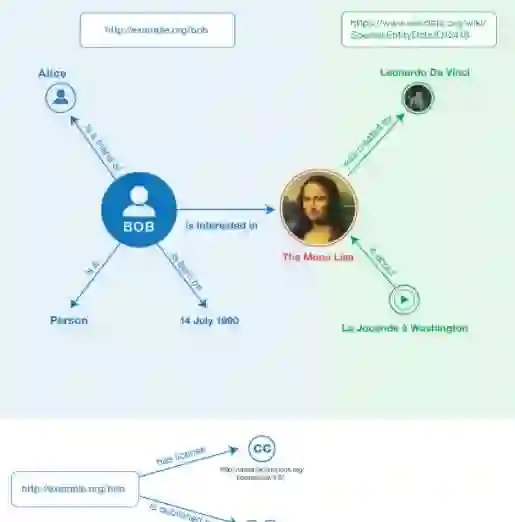
In the realm of Digital Humanities, the management of cultural heritage metadata is pivotal for ensuring data trustworthiness. Provenance information - contextual metadata detailing the origin and history of data - plays a crucial role in this process. However, tracking provenance and changes in metadata using the Resource Description Framework (RDF) presents significant challenges due to the limitations of foundational Semantic Web technologies. This article offers a comprehensive review of existing models and approaches for representing provenance and tracking changes in RDF, with a specific focus on cultural heritage metadata. It examines W3C standard proposals such as RDF Reification and n-ary relations, along with various alternative systems. Through an in-depth analysis, the study identifies Named Graphs, RDF*, the Provenance Ontology (PROV-O), Dublin Core (DC), Conjectural Graphs, and the OpenCitations Data Model (OCDM) as the most effective solutions. These models are evaluated based on their compliance with RDF standards, scalability, and applicability across different domains. The findings underscore the importance of selecting the appropriate model to ensure robust and reliable management of provenance in RDF datasets, thereby contributing to the ongoing discourse on provenance representation in the Digital Humanities.
翻译:在数字人文领域,文化遗产元数据管理对确保数据可信度至关重要。来源信息——描述数据起源与历史背景的元数据——在此过程中发挥着关键作用。然而,由于基础语义网技术的局限性,使用资源描述框架(RDF)追踪元数据的来源与变更仍面临重大挑战。本文系统综述了现有用于表示来源与追踪RDF变更的模型与方法,特别聚焦于文化遗产元数据领域。研究考察了W3C标准提案(如RDF具体化与n元关系)以及各类替代系统。通过深入分析,本研究确定命名图、RDF*、来源本体(PROV-O)、都柏林核心元数据(DC)、推测图与开放引文数据模型(OCDM)为当前最有效的解决方案。这些模型基于其对RDF标准的符合程度、可扩展性及跨领域适用性进行评估。研究结果强调了选择合适模型对确保RDF数据集中来源信息稳健可靠管理的重要性,从而为数字人文领域的来源表示研究持续提供学术参考。




相关内容




 微信扫码咨询专知VIP会员