

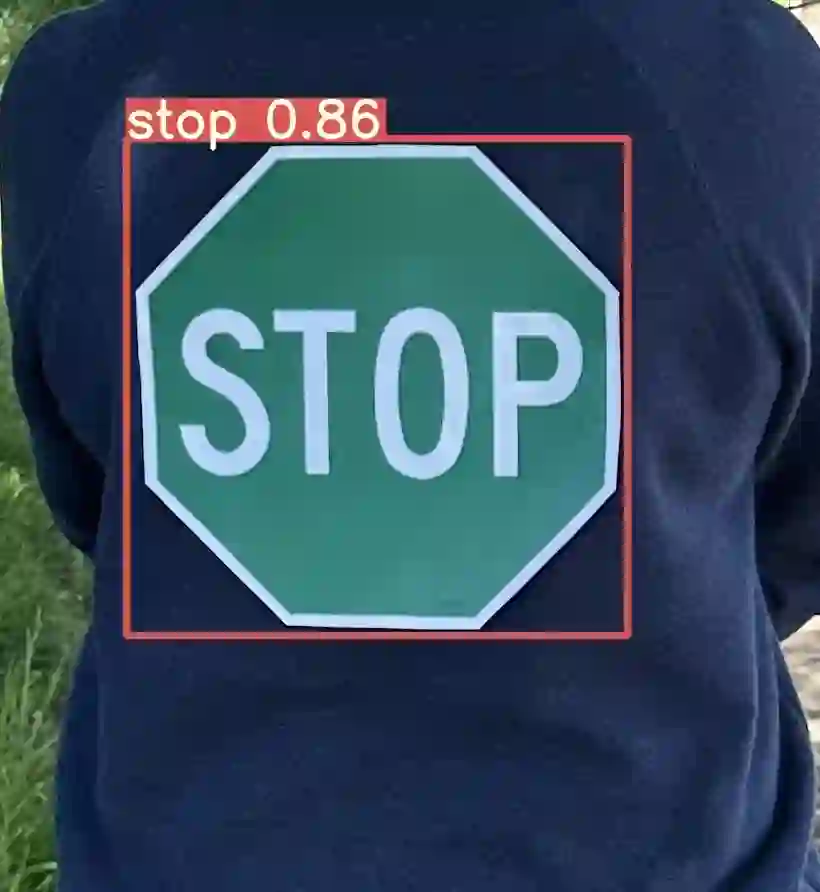
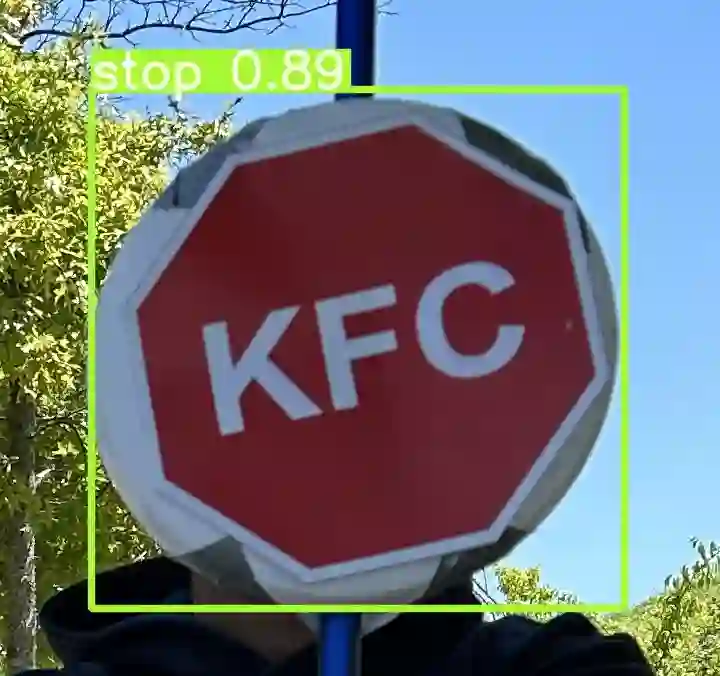
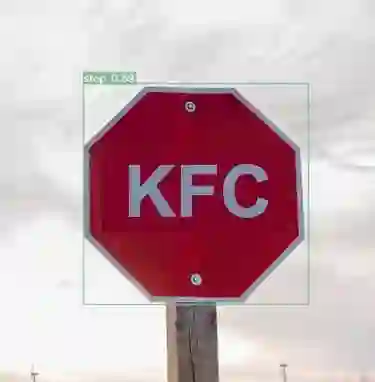
The widespread adoption of Image Processing has propelled Object Recognition (OR) models into essential roles across various applications, demonstrating the power of AI and enabling crucial services. Among the applications, traffic sign recognition stands out as a popular research topic, given its critical significance in the development of autonomous vehicles. Despite their significance, real-world challenges, such as alterations to traffic signs, can negatively impact the performance of OR models. This study investigates the influence of altered traffic signs on the accuracy and effectiveness of object recognition, employing a publicly available dataset to introduce alterations in shape, color, content, visibility, angles and background. Focusing on the YOLOv7 (You Only Look Once) model, the study demonstrates a notable decline in detection and classification accuracy when confronted with traffic signs in unusual conditions including the altered traffic signs. Notably, the alterations explored in this study are benign examples and do not involve algorithms used for generating adversarial machine learning samples. This study highlights the significance of enhancing the robustness of object detection models in real-life scenarios and the need for further investigation in this area to improve their accuracy and reliability.
翻译:图像处理的广泛应用使得目标识别模型在各种应用中扮演着关键角色,展现了人工智能的强大能力并支撑着重要服务。其中,交通标志识别因其在自动驾驶汽车发展中的关键意义而成为热门研究课题。尽管意义重大,但现实世界的挑战(例如交通标志的改动)可能会对目标识别模型的性能产生负面影响。本研究探讨了改动后的交通标志对目标识别准确性和有效性的影响,通过使用公开数据集,在形状、颜色、内容、可见性、角度和背景等方面引入改动。针对YOLOv7模型,研究发现,当面对异常条件下的交通标志(包括改动后的交通标志)时,其检测和分类准确率显著下降。值得注意的是,本研究所探索的改动均为良性示例,不涉及用于生成对抗性机器学习样本的算法。本研究强调了在现实场景中增强目标检测模型鲁棒性的重要意义,并指出需要在该领域进行进一步研究以提高其准确性和可靠性。




相关内容





 微信扫码咨询专知VIP会员